The Two Goats: A Journey of Redemption and Reconciliation
“And Aaron shall cast lots upon the two goats; one lot for the LORD, and the other lot for the scapegoat.” — Leviticus 16:8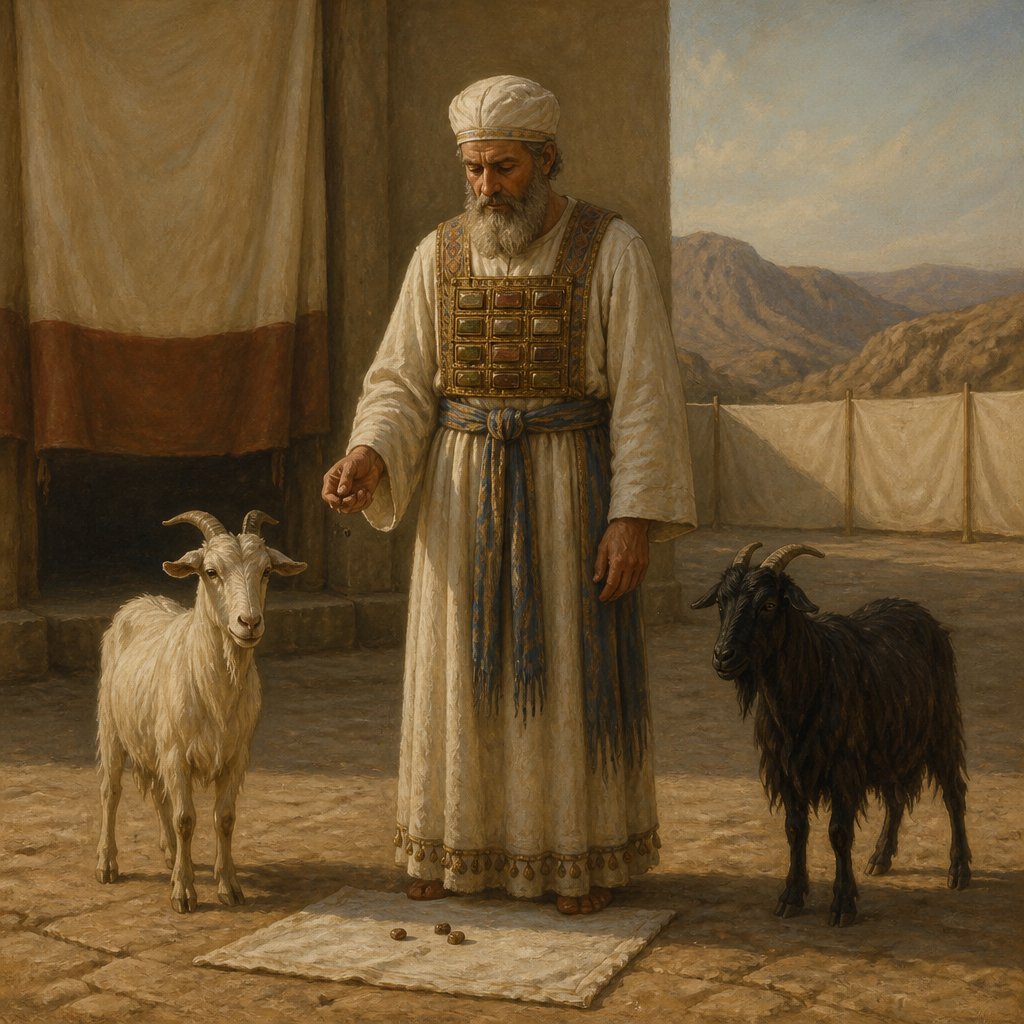
In Leviticus 16:8, we encounter a profound and symbolic ritual pertaining to the Day of Atonement: "And Aaron shall cast lots upon the two goats; one lot for the LORD, and the other lot for the scapegoat." This passage opens our hearts to understanding the depth of God's plan for redemption, the nature of sin, and the necessary act of reconciliation.
To fully grasp this verse, we must recognize the significance of the two goats in the context of ancient Israelite culture and sacrificial practices. The first goat, designated for the LORD, symbolizes the sin offering that would atone for the communal sins of the people. The act of sacrificing this goat was not just a ritualistic act; it represented the recognition of sin before a holy God and the serious consequences of sin that tone must be made. By shedding its blood, the first goat served as a substitute, bearing the weight of the people's transgressions. This sacrificial act foreshadows the ultimate sacrifice of Christ, who "bore our sins in His own body on the tree" (1 Peter 2:24).
The second goat, referred to as the scapegoat, carries its own unique significance. After the priest confesses the sins of the people over this goat, it is driven away into the wilderness, assuming the sins of the community and removing them from sight, as far as the east is from the west. This imagery is powerful; it illustrates how God not only forgives our sins but also removes them from us. As Psalm 103:12 eloquently states, "As far as the east is from the west, so far hath he removed our transgressions from us." The scapegoat, therefore, not only acknowledges the reality of our sins but emphasizes God’s desire for a fresh start, an opportunity to embrace his grace and mercy.
As believers, we must reflect on our own lives in light of the two goats. How often do we find ourselves burdened by sin, weighed down by the noise of guilt and shame? Aaron’s casting of lots highlights a divine selection process—not based on merit but solely upon God's sovereign choice. It serves to remind us that we do not earn our forgiveness; it is a gift from the Lord. Our sins demand justice, but they also invite grace. When we come to God with a penitent heart, He graciously takes the first goat and sacrifices it for our sake. Simultaneously, the second goat reminds us of the freedom available to us; we can actively leave our sins behind, symbolically cast into the wilderness, never to return.
As we engage with this passage, let us also consider the communal aspect of sin and atonement. Aaron’s actions were not merely for his own benefit but for the entirety of the Israelite community. It reflects a collective responsibility for sin and an opportunity for collective redemption. We, too, are part of a larger body—the Church. Our corporate worship acknowledges our shared failures and our unified reliance on Christ's work on the cross.
As we meditate upon Leviticus 16:8, let it inspire us towards authenticity and transparency. In confessing our sins, we don't only bring our struggles to God; we invite others into a community of grace, where we acknowledge our need for Jesus together. Let us remember that God’s design for our lives is not to be shackled by past sins, but rather to walk in the newness of life that Christ has provided through His death and resurrection.
In conclusion, go forth today, recognizing this duality of atonement in the two goats; that your sin is forgiven through the sacrificial love of Christ, and that you are free to live unencumbered by past transgressions. Trust in the process of casting lots—allow the Lord to lead you to a deeper understanding of His grace, freedom, and the joyous community of believers united in His love.
Get our apps


Artwork for Leviticus 16:8

Leviticus 16:8

Leviticus 16:8 - "And Aaron shall cast lots upon the two goats; one lot for the LORD, and the other lot for the scapegoat."
"And Aaron shall cast lots upon the two goats; one lot for the LORD, and the other lot for the scapegoat." - Leviticus 16:8

Leviticus 8:16 - "And he took all the fat that was upon the inwards, and the caul above the liver, and the two kidneys, and their fat, and Moses burned it upon the altar."

leviticus 16:7-10

Leviticus 8:30

Leviticus 21:16 - "¶ And the LORD spake unto Moses, saying,"
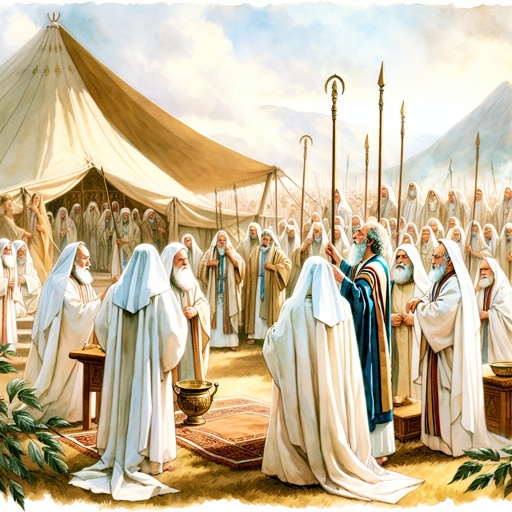
Leviticus 8:1-12

Leviticus 8:8 - "And he put the breastplate upon him: also he put in the breastplate the Urim and the Thummim."
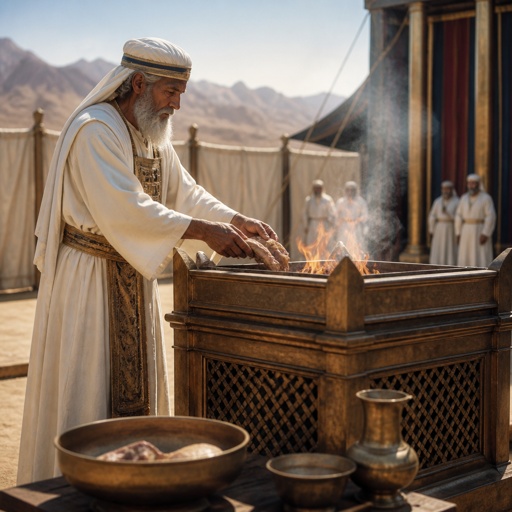
"And he took all the fat that was upon the inwards, and the caul above the liver, and the two kidneys, and their fat, and Moses burned it upon the altar." - Leviticus 8:16

Leviticus 9:16 - "And he brought the burnt offering, and offered it according to the manner."

Leviticus 6:8 - "¶ And the LORD spake unto Moses, saying,"
Leviticus 10:8 - "¶ And the LORD spake unto Aaron, saying,"

Leviticus 4:16 - "And the priest that is anointed shall bring of the bullock's blood to the tabernacle of the congregation:"

Leviticus 11:16 - "And the owl, and the night hawk, and the cuckow, and the hawk after his kind,"

Leviticus 16:25 - "And the fat of the sin offering shall he burn upon the altar."

Leviticus 8:1 - "And the LORD spake unto Moses, saying,"

Leviticus 18:16 - "Thou shalt not uncover the nakedness of thy brother's wife: it is thy brother's nakedness."

Leviticus 8:32 - "And that which remaineth of the flesh and of the bread shall ye burn with fire."

Leviticus 8:6 - "And Moses brought Aaron and his sons, and washed them with water."

Leviticus 8:19 - "And he killed it; and Moses sprinkled the blood upon the altar round about."

Leviticus 8:3 - "And gather thou all the congregation together unto the door of the tabernacle of the congregation."

Leviticus 8:5 - "And Moses said unto the congregation, This is the thing which the LORD commanded to be done."

Leviticus 16:31 - "It shall be a sabbath of rest unto you, and ye shall afflict your souls, by a statute for ever."

Leviticus 13:16 - "Or if the raw flesh turn again, and be changed unto white, he shall come unto the priest;"

Leviticus 17:16 - "But if he wash them not, nor bathe his flesh; then he shall bear his iniquity."

Leviticus 16:7 - "And he shall take the two goats, and present them before the LORD at the door of the tabernacle of the congregation."
"¶ And the LORD spake unto Moses, saying," - Leviticus 21:16

Leviticus 8:20 - "And he cut the ram into pieces; and Moses burnt the head, and the pieces, and the fat."

Leviticus 18:8 - "The nakedness of thy father's wife shalt thou not uncover: it is thy father's nakedness."