The Sin Offering: A Reflection on Atonement and Redemption
“And Aaron shall bring the goat upon which the LORD’s lot fell, and offer him for a sin offering.” — Leviticus 16:9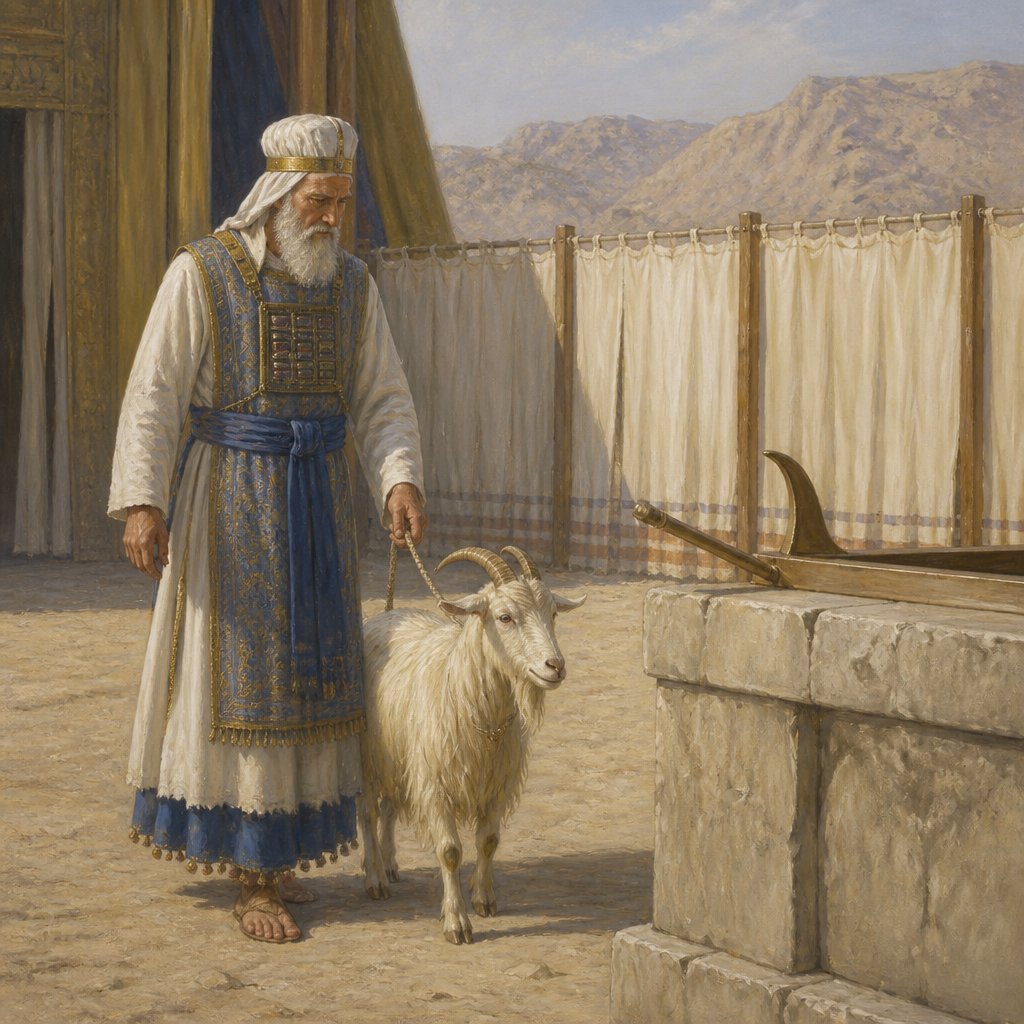
The book of Leviticus, nestled in the heart of Moses’ writings, provides a detailed mandate for the covenant community. Wrapped within its legalism is a profound theological construct that speaks to the nature of God’s holiness and humanity's needs for reconciliation. Leviticus 16:9 reads, “And Aaron shall bring the goat upon which the LORD'S lot fell, and offer him for a sin offering.” At first glance, this may seem like a mere ritualistic requirement, but when unpacked, it reveals layers of significance that speak to both the Old Testament context and our contemporary understanding of sin and redemption through Jesus Christ.
The act of casting lots to determine which goat would be sacrificed and which would bear the sins of the people was not just a matter of chance; it was deeply rooted in divine sovereignty. This solemn practice, known as the Day of Atonement, underscores the distinct roles of grace and judgment in our lives. The goat upon which the LORD's lot fell was to be offered as a sin offering. This is not a simple act of substitution; it symbolizes the seriousness with which sin separates humanity from God.
In the ancient Jewish context, ceremonial laws governed community and personal worship. The sins of the people were a barrier to communion with a holy God, and the ritual of offering a goat for sin was a poignant representation of the costliness of sin. The goat, in essence, becomes a vessel—the embodiment of guilt that is transferred from the people to the innocent creature. As Aaron, the high priest, performs this act, it ultimately points to the necessity of justice in atonement. God’s holiness demands a response, and the sacrifice becomes an act of obedience to divine laws and an acknowledgment of human failure.
Moreover, understanding the role of Aaron in this process broadens the frame of our reflection. Aaron was not only representing himself during the sacrificial ritual; he stood as a representative for all of Israel. In a sense, through Aaron, the entire community was acknowledging its transgressions and returning to the Holy One for forgiveness. This communal aspect of the sacrifice shows us how individual sin can have a corporate impact, a truth still relevant today. The repercussions of our actions can ripple through families, communities, and the world at large.
As we glean from this sacred moment in history, we are led to contemplate the weight of our own sins and their separation from God. Likewise, we see the importance of having a mediator—someone to bridge the gap we have created through our disobedience. Christians believe that Jesus Christ fulfills this role as the ultimate sacrifice, much like the goat ordained by God in Leviticus 16:9. When we read this verse through the lens of Christ's sacrifice, it transforms from a mere historical fact to a prophetic declaration of God’s plan for salvation.
This insight invites us into a deeper appreciation of grace. Despite the requirement of a sin offering, the overarching narrative still points us to an undeserved gift: redemption. The goat’s blood offered at the altar symbolizes purification, just as Christ's blood covers our sins, granting us access to the Father. Through the death and resurrection of Jesus, we receive not only forgiveness but also a new identity as children of God. The Day of Atonement illustrates a cycle of death and life, judgment and grace, ultimately culminating in hope and reconciliation.
In our daily walk, this calls us to approach God with reverence and a profound sense of gratitude. The act of bringing our sins before God is not merely about acknowledgment; it is a heartfelt confession that brings about transformation. Through prayer and repentance, like Aaron, we are called to be conduits of atonement, bringing our struggles and setbacks before God’s altar and inviting His healing presence into our lives.
Thus, Leviticus 16:9 serves not only as a reminder of the necessity for sin offerings but also as an invitation to embrace the reality of salvation through Christ—a truth that defines and transforms us today.
Get our apps


Artwork for Leviticus 16:9

Leviticus 16:9 - "And Aaron shall bring the goat upon which the LORD'S lot fell, and offer him for a sin offering."
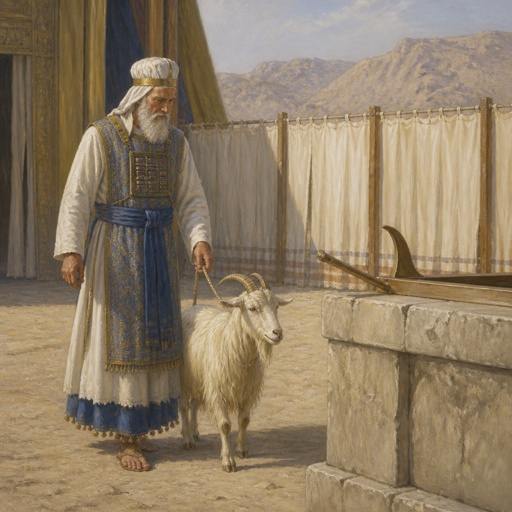
"And Aaron shall bring the goat upon which the LORD'S lot fell, and offer him for a sin offering." - Leviticus 16:9

Leviticus 9:16 - "And he brought the burnt offering, and offered it according to the manner."
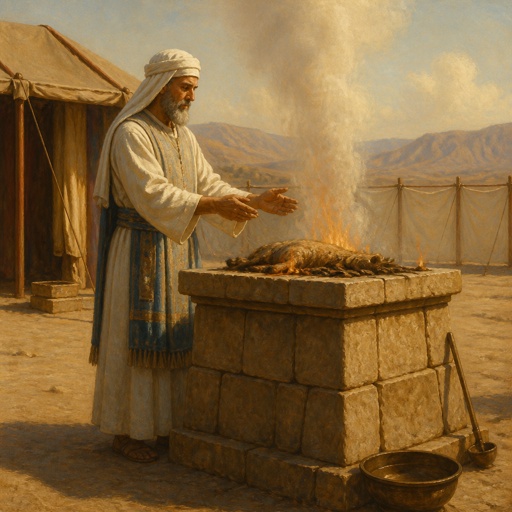
"And he brought the burnt offering, and offered it according to the manner." - Leviticus 9:16

Leviticus 16:8

leviticus 16:7-10

Leviticus 21:16 - "¶ And the LORD spake unto Moses, saying,"

Leviticus 23:9 - "¶ And the LORD spake unto Moses, saying,"

Leviticus 4:16 - "And the priest that is anointed shall bring of the bullock's blood to the tabernacle of the congregation:"

Leviticus 11:16 - "And the owl, and the night hawk, and the cuckow, and the hawk after his kind,"

Leviticus 16:25 - "And the fat of the sin offering shall he burn upon the altar."

Leviticus 18:16 - "Thou shalt not uncover the nakedness of thy brother's wife: it is thy brother's nakedness."

Leviticus 9:11 - "And the flesh and the hide he burnt with fire without the camp."

Leviticus 13:9 - "¶ When the plague of leprosy is in a man, then he shall be brought unto the priest;"

Leviticus 9:20 - "And they put the fat upon the breasts, and he burnt the fat upon the altar:"

Leviticus 16:31 - "It shall be a sabbath of rest unto you, and ye shall afflict your souls, by a statute for ever."

Leviticus 13:16 - "Or if the raw flesh turn again, and be changed unto white, he shall come unto the priest;"

Leviticus 17:16 - "But if he wash them not, nor bathe his flesh; then he shall bear his iniquity."

Leviticus 16:7 - "And he shall take the two goats, and present them before the LORD at the door of the tabernacle of the congregation."
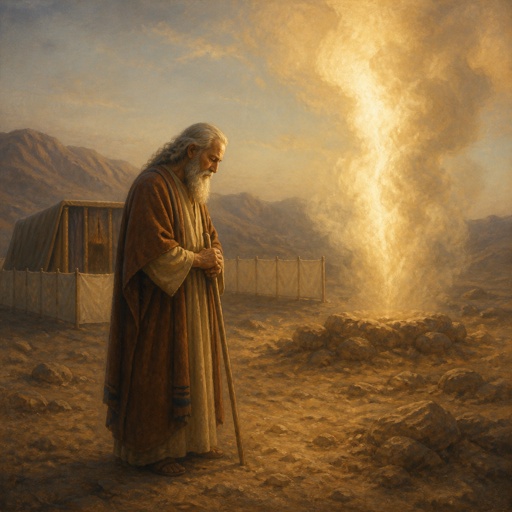
"¶ And the LORD spake unto Moses, saying," - Leviticus 21:16

Leviticus 9:9 - "And the sons of Aaron brought the blood unto him: and he dipped his finger in the blood, and put it upon the horns of the altar, and poured out the blood at the bottom of the altar:"

Leviticus 15:9 - "And what saddle soever he rideth upon that hath the issue shall be unclean."

Leviticus 9:14 - "And he did wash the inwards and the legs, and burnt them upon the burnt offering on the altar."

Leviticus 9:8 - "¶ Aaron therefore went unto the altar, and slew the calf of the sin offering, which was for himself."

Leviticus 9:1 - "And it came to pass on the eighth day, that Moses called Aaron and his sons, and the elders of Israel;"

Leviticus 16:3 - "Thus shall Aaron come into the holy place: with a young bullock for a sin offering, and a ram for a burnt offering."

Leviticus 16:8 - "And Aaron shall cast lots upon the two goats; one lot for the LORD, and the other lot for the scapegoat."

Leviticus 16:16 - "And he shall make an atonement for the holy place, because of the uncleanness of the children of Israel, and because of their transgressions in all their sins: and so shall he do for the tabernacle of the congregation, that remaineth among them in the midst of their uncleanness."

Leviticus 9:19 - "And the fat of the bullock and of the ram, the rump, and that which covereth the inwards, and the kidneys, and the caul above the liver:"

Leviticus 9:21 - "And the breasts and the right shoulder Aaron waved for a wave offering before the LORD; as Moses commanded."