The Sacredness of Life: Understanding Leviticus 17:12
"Therefore I said unto the children of Israel, No soul of you shall eat blood, neither shall any stranger that sojourneth among you eat blood." - Leviticus 17:12
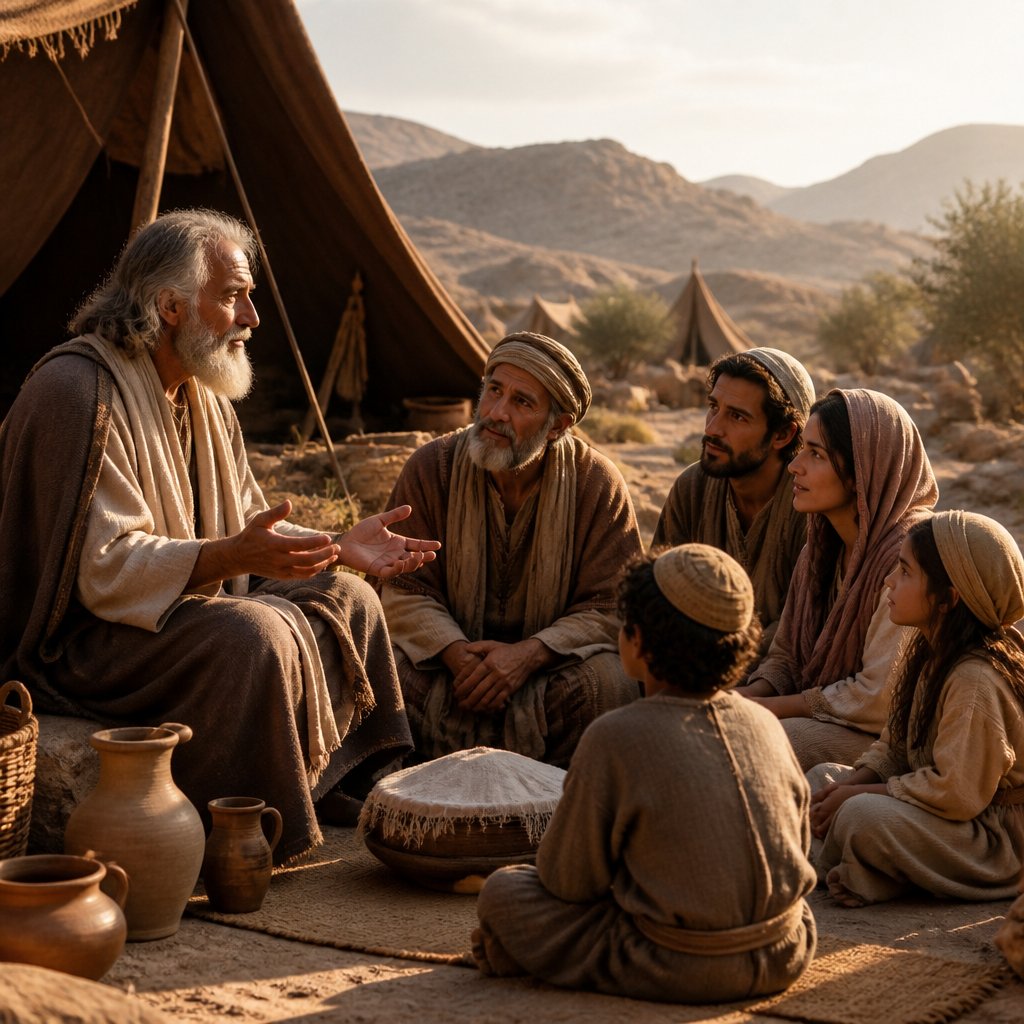
When we delve into the depths of Leviticus 17:12, we encounter a profound command from God to the Children of Israel: "Therefore I said unto the children of Israel, No soul of you shall eat blood, neither shall any stranger that sojourneth among you eat blood." (KJV) On the surface, this command may appear as just another dietary restriction of the Old Testament, but to comprehend its significance requires us to look past the superficial and engage with the implications of blood in the biblical narrative and its spiritual significance.
Blood has always held a powerful symbolic meaning in the Scriptures, representing life itself. In Leviticus 17:11, which precedes our focal verse, God states, "For the life of the flesh is in the blood: and I have given it to you upon the altar to make an atonement for your souls: for it is the blood that maketh an atonement for the soul." This verse elevates blood from a mere biological substance to a sacred entity. It is the medium through which atonement and reconciliation with God is established.
The commandment prohibiting the consumption of blood underscores the sanctity of life. In ancient Israel, to eat blood was to disregard the sacredness of life and the divine order God had instituted. Blood was to be regarded with utmost reverence; it was emblematic of the covenant relationship between God and His people. Through this prohibition, God was instilling in the Israelites a recognition of blood's vital role in the sacrificial system — it was the means of cleansing and covering sin, a precursor to the ultimate sacrifice made by Christ on the cross.
As we consider this sacred principle, we recognize that it invites us to reflect on the value of life — not merely as it pertains to the physicalities we see but also to the spiritual realities we may overlook. In today's world, the sanctity of life has been challenged in numerous ways. There are numerous discussions surrounding the value of life in various contexts — from issues of abortion to the end of life choices. However, the call in Leviticus is a reminder that life is precious; it is valued by God Himself, and we, as His creation, must uphold that value in our understanding and actions.
Furthermore, we see this directive extend beyond the Israelites to those who sojourned among them. The inclusivity of this command highlights the importance of creating a community that honors God’s laws, where even visitors and strangers are called to recognize the sacredness of blood. This can be seen as God's desire for all humanity — both insiders and outsiders — to be unified by the reverence for life. As believers, we are called to extend the understanding of this sacredness toward those around us, fostering an environment of love and respect for the lives of all people.
In our spiritual journeys, we must learn to honor the spiritual symbols that God has instituted not just as guidelines but as pathways to deeper fellowship with Him. The prohibition against eating blood reminds us of Jesus's ultimate sacrifice — His blood was shed for us, securing our salvation and reflecting God’s unrelenting love. Jesus’s blood was not just a symbol but a real-life atonement that changed the course of history and offered us all a renewed covenant with God.
Thus, when we read Leviticus 17:12, let us not merely see it as an Old Testament law but as a call to embrace the abundant life we have through the blood of Christ. Jesus sacrificed His life for us, asking us to dedicate our lives in return to the honor and reverence He deserves. In light of this, let us grow in our appreciation of life, both our own and that of others, recognizing each life as woven with purpose and divinely orchestrated by our Creator.
As we close, let us pray for a heart that values life and the blood that was shed for each of us. May we be ever mindful of the sacredness of existence, not just in ourselves but in everyone we encounter, fostering a culture of respect and love that mirrors the heart of God.
Want to reflect more on Leviticus 17:12?
Continue your spiritual journey with Bible Chat — an AI-powered tool for exploring God's Word through conversation. Ask questions, discover connections, and deepen your understanding.
Get Our Apps


Leviticus 17:12 Artwork

Leviticus 17:12 - "Therefore I said unto the children of Israel, No soul of you shall eat blood, neither shall any stranger that sojourneth among you eat blood."
"Therefore I said unto the children of Israel, No soul of you shall eat blood, neither shall any stranger that sojourneth among you eat blood." - Leviticus 17:12

Leviticus 17:7

Leviticus 23:17-22

Leviticus 11:17 - "And the little owl, and the cormorant, and the great owl,"

Leviticus 22:17 - "¶ And the LORD spake unto Moses, saying,"

Leviticus 17:1 - "And the LORD spake unto Moses, saying,"
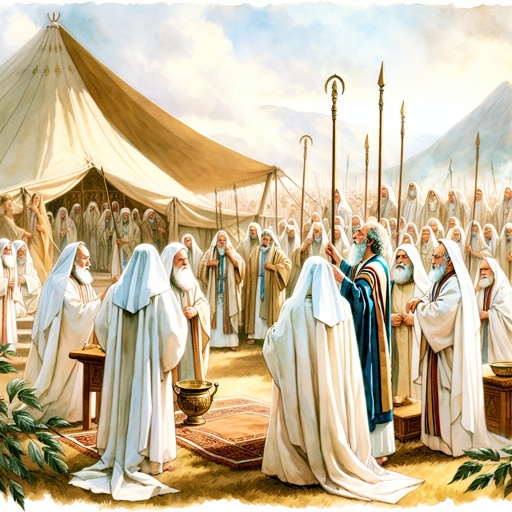
Leviticus 8:1-12

Leviticus 7:17 - "But the remainder of the flesh of the sacrifice on the third day shall be burnt with fire."

Leviticus 12:1 - "And the LORD spake unto Moses, saying,"

Leviticus 24:17 - "¶ And he that killeth any man shall surely be put to death."

Leviticus 12:3 - "And in the eighth day the flesh of his foreskin shall be circumcised."

Leviticus 24:12 - "And they put him in ward, that the mind of the LORD might be shewed them."

Leviticus 3:12 - "¶ And if his offering be a goat, then he shall offer it before the LORD."

Leviticus 15:17 - "And every garment, and every skin, whereon is the seed of copulation, shall be washed with water, and be unclean until the even."

Leviticus 17:3 - "What man soever there be of the house of Israel, that killeth an ox, or lamb, or goat, in the camp, or that killeth it out of the camp,"

Leviticus 27:17 - "If he sanctify his field from the year of jubile, according to thy estimation it shall stand."

Leviticus 17:16 - "But if he wash them not, nor bathe his flesh; then he shall bear his iniquity."

"¶ And the LORD spake unto Moses, saying," - Leviticus 22:17

"And the LORD spake unto Moses, saying," - Leviticus 17:1

"And the little owl, and the cormorant, and the great owl," - Leviticus 11:17

Genesis 17-12

Leviticus 9:17 - "And he brought the meat offering, and took an handful thereof, and burnt it upon the altar, beside the burnt sacrifice of the morning."

Leviticus 26:12 - "And I will walk among you, and will be your God, and ye shall be my people."

Leviticus 11:12 - "Whatsoever hath no fins nor scales in the waters, that shall be an abomination unto you."
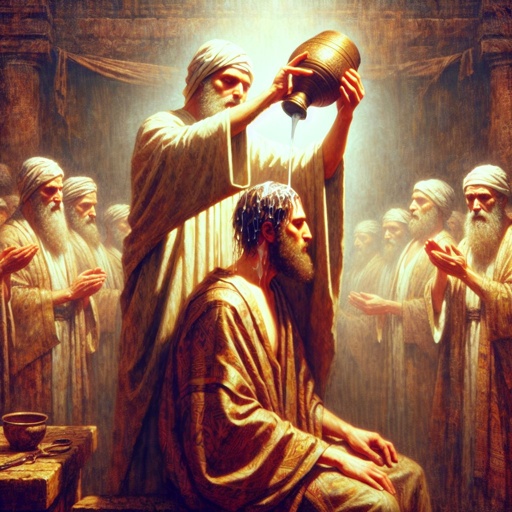
Leviticus 8:12 - "And he poured of the anointing oil upon Aaron's head, and anointed him, to sanctify him."

Leviticus 8:17 - "But the bullock, and his hide, his flesh, and his dung, he burnt with fire without the camp; as the LORD commanded Moses."

Leviticus 4:17 - "And the priest shall dip his finger in some of the blood, and sprinkle it seven times before the LORD, even before the vail."

Leviticus 25:12 - "For it is the jubile; it shall be holy unto you: ye shall eat the increase thereof out of the field."

"And the LORD spake unto Moses, saying," - Leviticus 12:1