Bringing Our Offerings to the Lord: A Deep Dive into Leviticus 17:9
“And bringeth it not unto the door of the tabernacle of the congregation, to offer it unto the LORD; even that man shall be cut off from among his people.” — Leviticus 17:9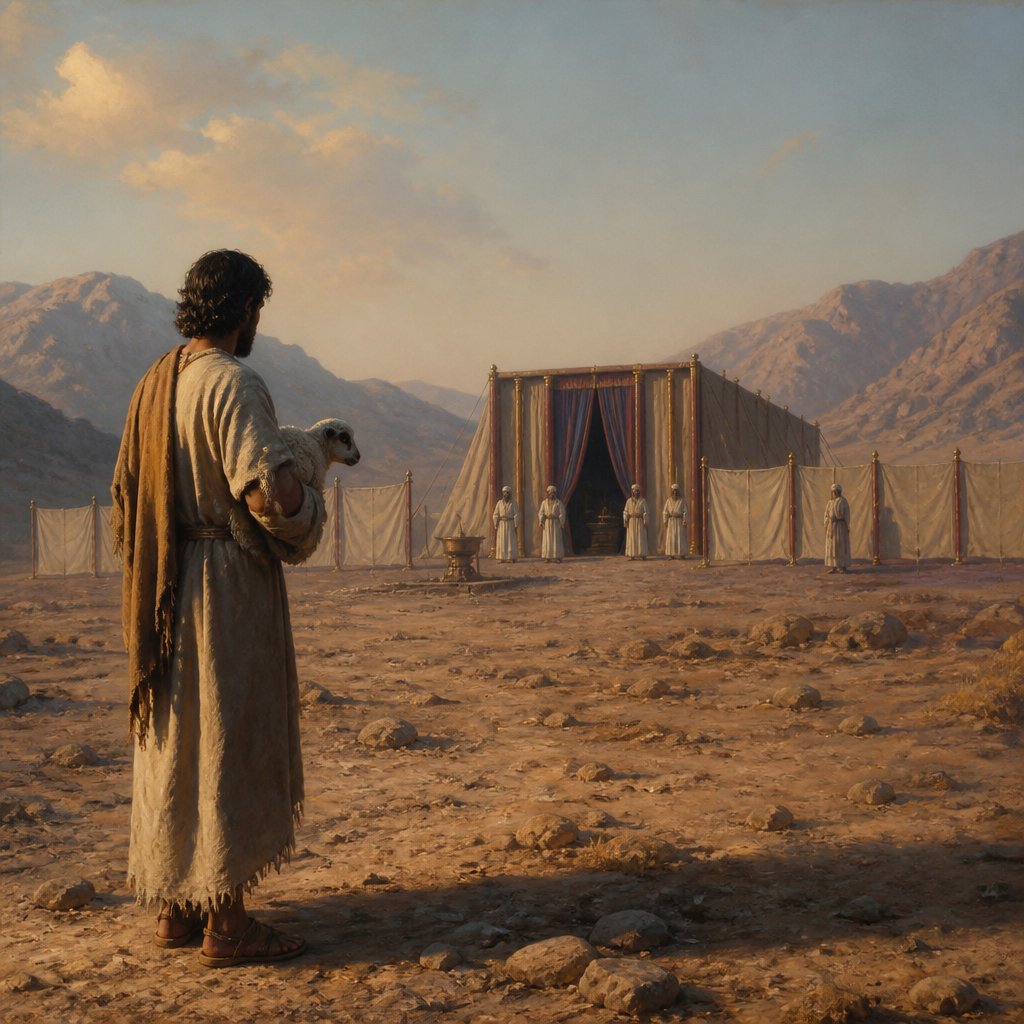
The book of Leviticus presents a set of laws and instructions intended for the people of Israel as they navigate their identity as God’s chosen nation. Within this intricate tapestry of guidelines, Leviticus 17:9 stands out as a solemn reminder of the significance of bringing offerings to the Lord: "And bringeth it not unto the door of the tabernacle of the congregation, to offer it unto the LORD; even that man shall be cut off from among his people." Here, we uncover profound implications about the nature of worship, community, and our relationship with God.
At first glance, this verse may seem archaic, anchored in a particular time and culture that no longer applies the same ways. However, the core message transcends time and speaks to the present. The command to bring one's offerings "to the door of the tabernacle of the congregation" illuminates the importance of intentionality in our approach to worship. During ancient times, bringing an offering to the tabernacle wasn't merely a ritualistic act but a symbol of acknowledging God's sovereignty, His provision, and our covenantal relationship with Him.
The tabernacle represented a physical space where heaven and earth met, where worship could happen in its most sacred form. Today's "tabernacle" can be seen in the community of believers—the Church. Just as offerings were to be presented at a specific place, so too must our worship and offerings be brought into the community of faith where God chooses to dwell among His people. This raises vital questions: How are we treating our worship? Are we intentionally preparing our hearts to bring our very best to God? This requires introspection; we must ask ourselves if we have made worship a priority.
In the KJV translation, the gravity of the latter portion of the verse is highlighted with the phrase, "even that man shall be cut off from among his people." This indicates the severity of neglecting God’s commands regarding worship. In a communal society, being cut off wasn’t merely an individual punishment; it represented a significant disconnection from the body of believers, and more importantly, from God Himself. It emphasizes the reality that our relationship with God is intertwined with our communal relationships. When we fail to bring our offerings to God, we not only affect our relationship with Him but also our connection with the community.
We live in an age of autonomy, where personal spirituality often supersedes communal worship. Yet, we are reminded through Leviticus 17:9 that our offerings, be it time, talent, or treasure, must be presented to God in the company of brothers and sisters in faith. This verse challenges us to consider ways we can contribute to the broader community. Are we willing participants in our church, or are we passively consuming spiritual resources? God desires our engagement, our sacrificial love, and our public acknowledgment of Him through actionable faith.
Moreover, in this commitment to worship, we must consider what we offer. Romans 12:1 echoes this sentiment, encouraging us to present our bodies as living sacrifices, holy and acceptable to God. Every part of our lives—our conduct, our language, our time, our resources—represents an offering. Each element must be brought to God without reservation. He desires that we offer ourselves wholeheartedly, free from the distractions of self-centeredness, guilt, or complacency.
Ultimately, Leviticus 17:9 serves as a clarion call for all believers. It prompts deep reflection about our worship practices, our engagement within the community, and our understanding of the sacrifices we bring to God. It’s a reminder that when we come together, there is power in our collective offerings. Let us then make it our mission to bring our best to the door of God’s presence, as a community that honors Him above all else—because when we hold back, we jeopardize not only our spiritual health but also our connection to one another and to God.
Get our apps


Artwork for Leviticus 17:9

Leviticus 17:9 - "And bringeth it not unto the door of the tabernacle of the congregation, to offer it unto the LORD; even that man shall be cut off from among his people."
"And bringeth it not unto the door of the tabernacle of the congregation, to offer it unto the LORD; even that man shall be cut off from among his people." - Leviticus 17:9

Leviticus 9:17 - "And he brought the meat offering, and took an handful thereof, and burnt it upon the altar, beside the burnt sacrifice of the morning."

Leviticus 17:7
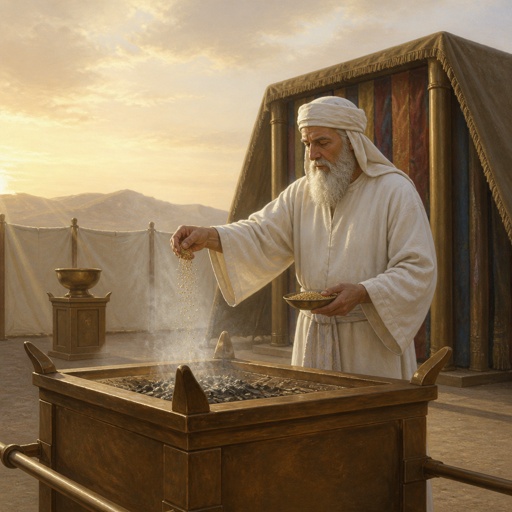
"And he brought the meat offering, and took an handful thereof, and burnt it upon the altar, beside the burnt sacrifice of the morning." - Leviticus 9:17

Leviticus 23:17-22

Leviticus 11:17 - "And the little owl, and the cormorant, and the great owl,"

Leviticus 22:17 - "¶ And the LORD spake unto Moses, saying,"

Leviticus 17:1 - "And the LORD spake unto Moses, saying,"

Leviticus 7:17 - "But the remainder of the flesh of the sacrifice on the third day shall be burnt with fire."

Leviticus 24:17 - "¶ And he that killeth any man shall surely be put to death."

Leviticus 23:9 - "¶ And the LORD spake unto Moses, saying,"

Leviticus 9:16 - "And he brought the burnt offering, and offered it according to the manner."

Leviticus 9:11 - "And the flesh and the hide he burnt with fire without the camp."

Leviticus 15:17 - "And every garment, and every skin, whereon is the seed of copulation, shall be washed with water, and be unclean until the even."

Leviticus 17:3 - "What man soever there be of the house of Israel, that killeth an ox, or lamb, or goat, in the camp, or that killeth it out of the camp,"

Leviticus 27:17 - "If he sanctify his field from the year of jubile, according to thy estimation it shall stand."

Leviticus 17:16 - "But if he wash them not, nor bathe his flesh; then he shall bear his iniquity."

"¶ And the LORD spake unto Moses, saying," - Leviticus 22:17

"And the LORD spake unto Moses, saying," - Leviticus 17:1

"And the little owl, and the cormorant, and the great owl," - Leviticus 11:17

Leviticus 13:9 - "¶ When the plague of leprosy is in a man, then he shall be brought unto the priest;"

Leviticus 9:20 - "And they put the fat upon the breasts, and he burnt the fat upon the altar:"

Rev 9:17

Leviticus 9:9 - "And the sons of Aaron brought the blood unto him: and he dipped his finger in the blood, and put it upon the horns of the altar, and poured out the blood at the bottom of the altar:"

Leviticus 15:9 - "And what saddle soever he rideth upon that hath the issue shall be unclean."

Leviticus 9:14 - "And he did wash the inwards and the legs, and burnt them upon the burnt offering on the altar."

Leviticus 9:8 - "¶ Aaron therefore went unto the altar, and slew the calf of the sin offering, which was for himself."

Leviticus 9:1 - "And it came to pass on the eighth day, that Moses called Aaron and his sons, and the elders of Israel;"

Leviticus 8:17 - "But the bullock, and his hide, his flesh, and his dung, he burnt with fire without the camp; as the LORD commanded Moses."