The Fire of Molech: A Call to Holiness
"And thou shalt not let any of thy seed pass through the fire to Molech, neither shalt thou profane the name of thy God: I am the LORD." - Leviticus 18:21
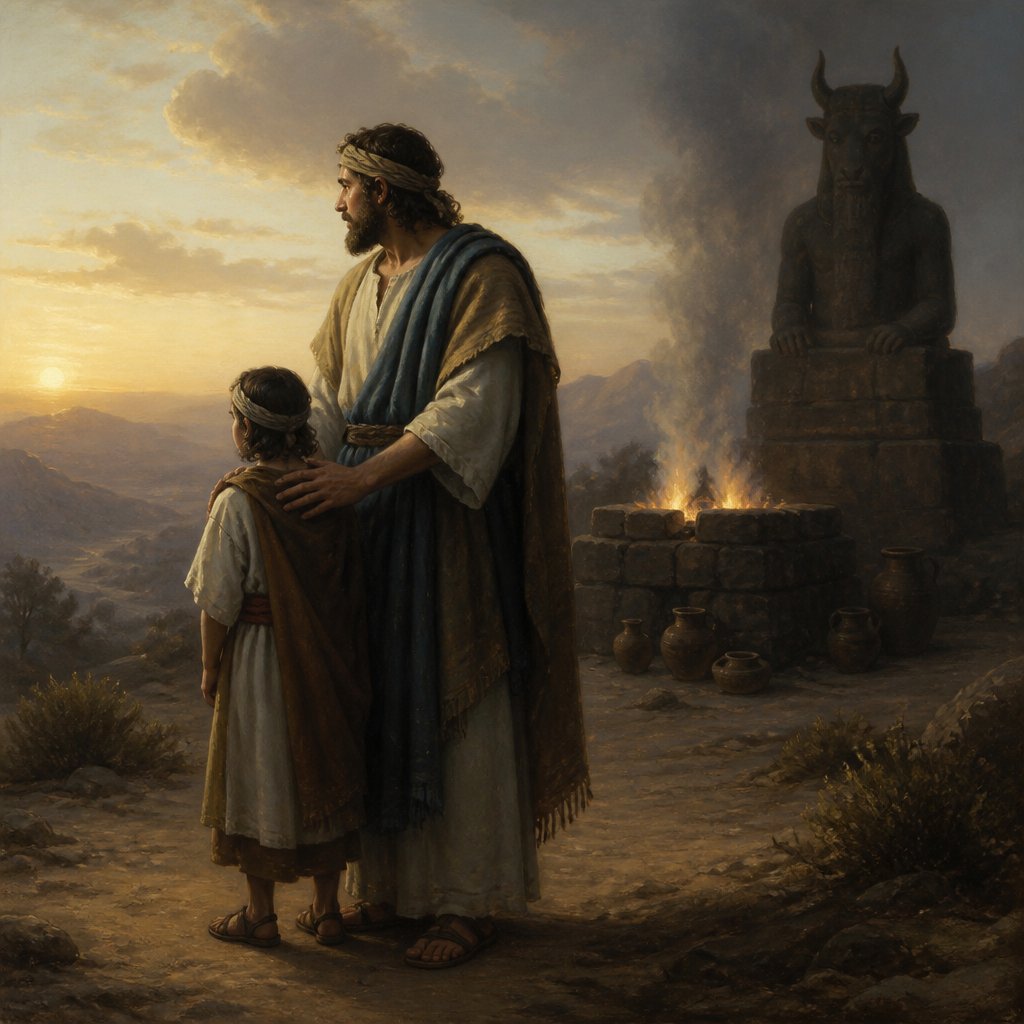
As we delve into the depths of Leviticus 18:21, it is crucial to recognize the gravity of the commandment: "And thou shalt not let any of thy seed pass through the fire to Molech, neither shalt thou profane the name of thy God: I am the LORD." This verse stands as a stark warning against the ancient practice of child sacrifice that was associated with the worship of the god Molech. This deity required the most horrendous of offerings—children, which He demanded to be passed through fire.
Understanding the cultural backdrop of this commandment is imperative. The Canaanites, among others, practiced idolatry with a fervor that often led to unspeakable acts against their own children, believing that such offerings would secure favor, prosperity, or blessings in return. To the Israelites, who had just been delivered from slavery in Egypt and were forming a covenant with the true God, the command against such practices was about more than just condemning a ritual; it was about establishing a new, holy identity rooted in the worship of the one true God.
The command not to allow any of thy seed to pass through the fire to Molech serves several purposes. First, it called for the protection of children, reminding the community that every life is precious and should be cherished, not sacrificed. Second, it alerted the Israelites to the dangers of assimilation into pagan cultures, which would lead them to compromise their faith. In essence, it was a divine instruction to remember who they were and whose they were—to uphold a standard that conveyed the holiness of God amidst the darkness of rampant idolatry.
In the broader context of Scripture, God consistently emphasizes the sanctity of life. Psalm 127:3 states, "Lo, children are an heritage of the LORD: and the fruit of the womb is his reward." As believers today, this commandment holds profound implications. In a world where the sanctity of life is often undermined, we are reminded that every child is a gift from God, meant to be nurtured and protected.
Moreover, the latter part of the verse warns against profaning the name of God. To profane God’s name means to treat it with disrespect, to discredit the very essence of His character. When Israel engaged in idolatrous practices, they tarnished God's reputation among the nations. They bore His name; thus, their actions would reflect on the holiness and righteousness of the God they claimed to worship.
This principle extends into our lives today as we consider how our actions reflect on our faith. Are we, in our desire for acceptance or success, compromising our values in a way that might lead others to think less of God? This is a call to authenticity in our walk with God. Our commitment to holiness is not merely about avoiding sin but actively seeking to live in a way that glorifies Him.
We must examine our hearts: are there modern-day ‘Molechs’ in our lives that demand sacrifices of innocence, purity, and truth? Could it be in the forms of entertainment we consume, the relationships we nurture, or the values we endorse? Every decision holds the potential to reflect or distort God's image. Therefore, let us be vigilant, ensuring that we uphold what is right in the sight of the Lord.
As we meditate on Leviticus 18:21, let us draw close to God, seeking forgiveness for the times we may have fallen short. Let’s be stirred to action, fostering a culture of life and love within our families, churches, and communities. Let us proclaim, with boldness and integrity, the profound worth of every person created in the image of God. Indeed, as we live in reverence of Him, we honor His name, defend His truth, and cultivate a legacy that brings glory to our Lord.
Want to reflect more on Leviticus 18:21?
Continue your spiritual journey with Bible Chat — an AI-powered tool for exploring God's Word through conversation. Ask questions, discover connections, and deepen your understanding.
Get Our Apps


Leviticus 18:21 Artwork

Leviticus 18:21 - "And thou shalt not let any of thy seed pass through the fire to Molech, neither shalt thou profane the name of thy God: I am the LORD."
"And thou shalt not let any of thy seed pass through the fire to Molech, neither shalt thou profane the name of thy God: I am the LORD." - Leviticus 18:21

Leviticus 21:18 - "For whatsoever man he be that hath a blemish, he shall not approach: a blind man, or a lame, or he that hath a flat nose, or any thing superfluous,"

Leviticus 23:21

Leviticus 23:21

Leviticus 23:21

Leviticus 23:21

Leviticus 23:21

Leviticus 23:21

Leviticus 21:19 - "Or a man that is brokenfooted, or brokenhanded,"
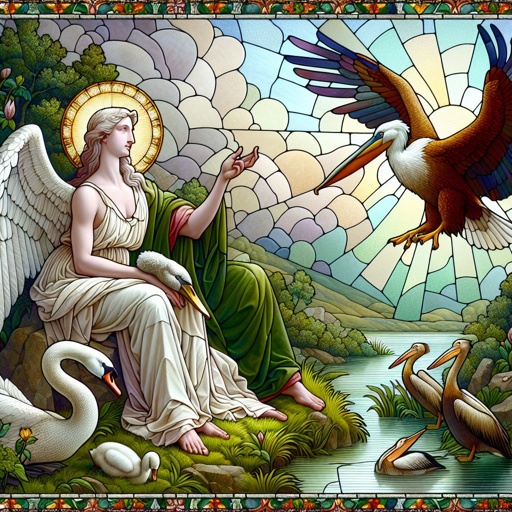
Leviticus 11:18 - "And the swan, and the pelican, and the gier eagle,"

Leviticus 21:16 - "¶ And the LORD spake unto Moses, saying,"

Leviticus 21:13 - "And he shall take a wife in her virginity."

Leviticus 18:1 - "And the LORD spake unto Moses, saying,"

Proverbs 18:21

Proverbs 18:21

Proverbs 18:21

Proverbs 18:21

Leviticus 18:22 - "Thou shalt not lie with mankind, as with womankind: it is abomination."
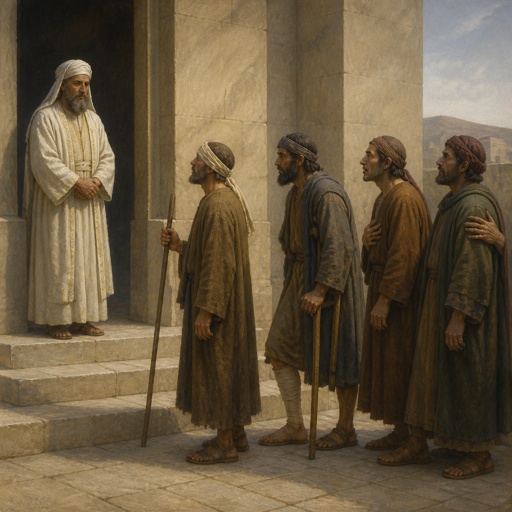
"For whatsoever man he be that hath a blemish, he shall not approach: a blind man, or a lame, or he that hath a flat nose, or any thing superfluous," - Leviticus 21:18

Proverbs 18:21

Proverbs 18:21

Proverbs 18:21

Proverbs 18:21

Proverbs 18:21
Proverbs 18:21

Proverbs 18:21

Proverbs 18:21

"Or a man that is brokenfooted, or brokenhanded," - Leviticus 21:19

Leviticus 18:18 - "Neither shalt thou take a wife to her sister, to vex her, to uncover her nakedness, beside the other in her life time."