The Justness of the Heart: Embracing Fairness in Our Relationships
“Thou shalt not defraud thy neighbour, neither rob him: the wages of him that is hired shall not abide with thee all night until the morning.” — Leviticus 19:13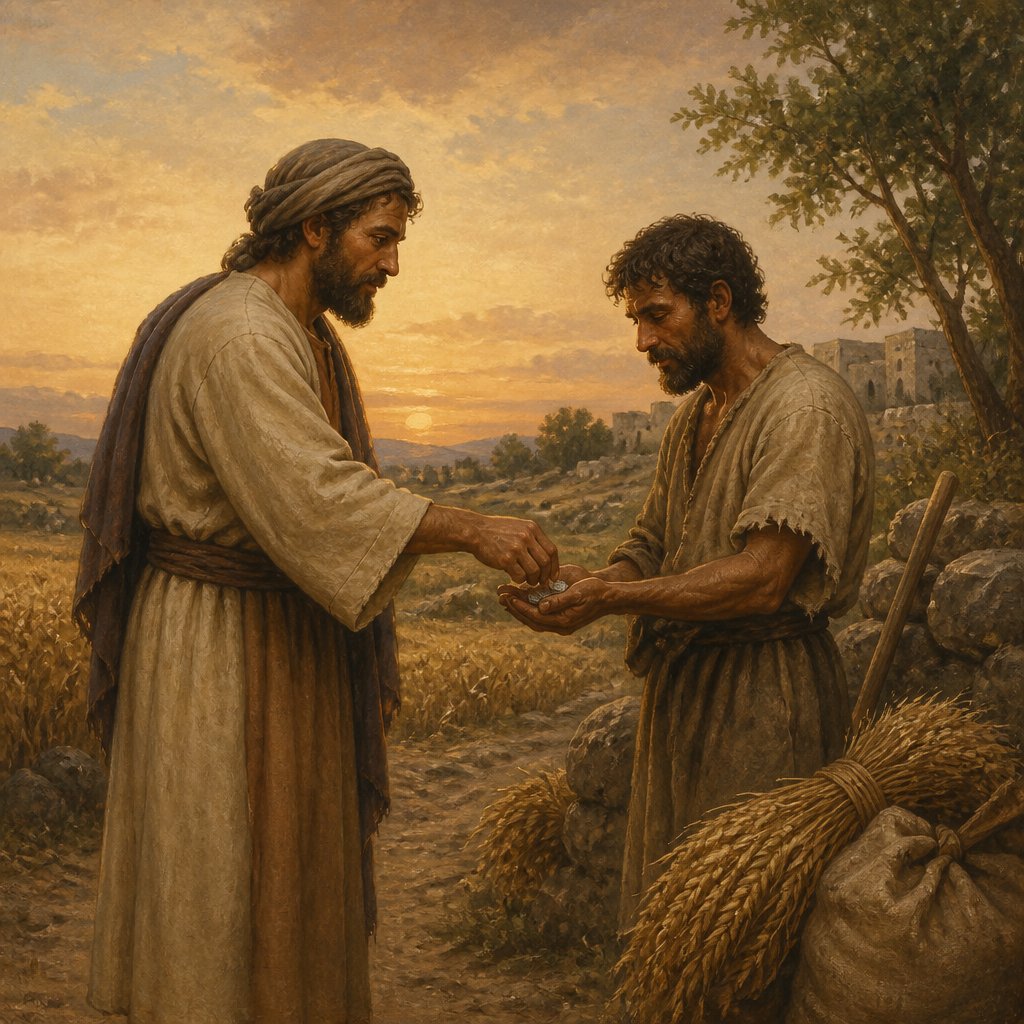
As we delve into Leviticus 19:13, we are confronted with a divine command that speaks to the core of human integrity and communal ethics: "Thou shalt not defraud thy neighbour, neither rob him: the wages of him that is hired shall not abide with thee all night until the morning" (KJV). This verse serves as a reminder of God's call for justice and fairness in our interactions with others, particularly in the realm of economic dealings.
In the ancient context of Israel, labor was often transient; workers were hired for daily wages, and their needs were immediate. For many, their daily wage was not merely a measure of their toil but a necessity for survival. Thus, the instruction to pay promptly held significant weight. Withholding wages until morning was not just a minor oversight; it had the potential to exert deep and harmful stress on those who relied upon that income to feed their families and provide for their basic needs. Here, we see God's deep concern for the vulnerable and His insistence that we treat others with dignity and justice.
This commandment touches upon a broader principle of ethical conduct: the prohibition against defrauding our neighbors is deeply interconnected with our understanding of community. In God’s eyes, we are not isolated individuals; we exist within a network of relationships that demands reciprocity and fairness. To defraud or rob someone is not merely a financial transgression; it is a relational breach that undermines the fabric of our communities. When we take, cheat, or neglect our responsibilities towards others, we erode trust and peace, breeding resentment and division.
Additionally, the emphasis on prompt payment underscores the urgency of justice. God is inviting us to reflect on our ethical responsibilities and to consider the immediate implications of our actions on the lives of others. He calls us to be aware of the burdens that we may unconsciously place upon our neighbors. In a practical reflection of this verse, think about the commitments we make in our work lives and personal interactions. How often do we delay payments or make excuses that leave others in uncertainty? This small act of defiance against the commandment reveals at the heart a deeper issue — a lack of empathy or disregard for the needs of others.
Moreover, the instruction does not merely apply to financial transactions but extends to the broader landscape of human interaction. Defrauding one's neighbor may manifest in various forms: dishonesty, manipulation, and neglect of duty. Exploring these forms calls us to examine our behaviors in all relationships — at work, within families, among friends, and in society at large. Are we presenting ourselves with honesty? Are we inclined to use our influence to the disadvantage of another? This self-examination leads to greater awareness and responsibility.
In practicing fairness and compassion, we reflect the character of God. We are reminded of how our actions have the power to uplift or diminish others. Equally, when we honor commitments and pay what is due, we weave a tapestry of trust and gratitude among our neighbors. It is through these small but significant acts of righteousness that we become conduits of God’s love and justice in the world.
In closing, let us commit to living out the principles contained in Leviticus 19:13. May we engage our hearts to actively seek justice, extend grace, and pursue fairness in all our dealings. Through our actions, we can embody the integrity and love that God requires of us, making our communities truly reflective of His divine justice. May the prayer of our hearts be that we might serve others with the same consideration and kindness that God has bestowed upon us.
Get our apps


Artwork for Leviticus 19:13

Leviticus 19:13 - "¶ Thou shalt not defraud thy neighbour, neither rob him: the wages of him that is hired shall not abide with thee all night until the morning."
"¶ Thou shalt not defraud thy neighbour, neither rob him: the wages of him that is hired shall not abide with thee all night until the morning." - Leviticus 19:13

Leviticus 13:19 - "And in the place of the boil there be a white rising, or a bright spot, white, and somewhat reddish, and it be shewed to the priest;"
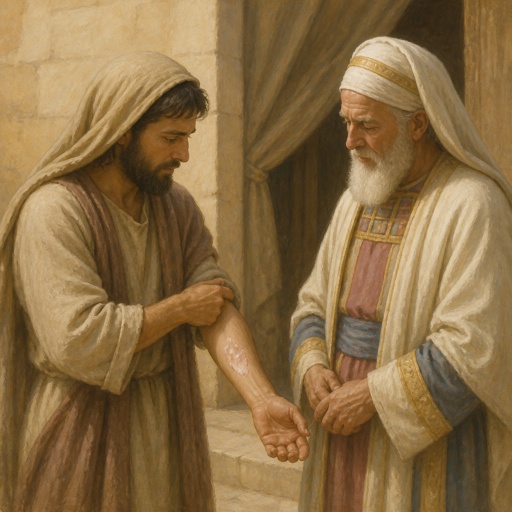
"And in the place of the boil there be a white rising, or a bright spot, white, and somewhat reddish, and it be shewed to the priest;" - Leviticus 13:19

Leviticus 21:19 - "Or a man that is brokenfooted, or brokenhanded,"

Leviticus 6:19 - "¶ And the LORD spake unto Moses, saying,"

Leviticus 19:1 - "And the LORD spake unto Moses, saying,"

Leviticus 11:19 - "And the stork, the heron after her kind, and the lapwing, and the bat."

Leviticus 19:7 - "And if it be eaten at all on the third day, it is abominable; it shall not be accepted."

"Or a man that is brokenfooted, or brokenhanded," - Leviticus 21:19

Leviticus 5:19 - "It is a trespass offering: he hath certainly trespassed against the LORD."

Leviticus 24:13 - "And the LORD spake unto Moses, saying,"

Leviticus 19:35 - "¶ Ye shall do no unrighteousness in judgment, in meteyard, in weight, or in measure."

Leviticus 21:13 - "And he shall take a wife in her virginity."

Leviticus 13:1 - "And the LORD spake unto Moses and Aaron, saying,"

Leviticus 8:19 - "And he killed it; and Moses sprinkled the blood upon the altar round about."

Leviticus 19:33 - "¶ And if a stranger sojourn with thee in your land, ye shall not vex him."

Leviticus 13:35 - "But if the scall spread much in the skin after his cleansing;"

Leviticus 19:11 - "¶ Ye shall not steal, neither deal falsely, neither lie one to another."

Leviticus 13:29 - "¶ If a man or woman have a plague upon the head or the beard;"

Leviticus 19:24 - "But in the fourth year all the fruit thereof shall be holy to praise the LORD withal."

Luke 13:18-19

Luke 13:18-19

Leviticus 13:18 - "¶ The flesh also, in which, even in the skin thereof, was a boil, and is healed,"

Leviticus 22:19 - "Ye shall offer at your own will a male without blemish, of the beeves, of the sheep, or of the goats."

Leviticus 9:19 - "And the fat of the bullock and of the ram, the rump, and that which covereth the inwards, and the kidneys, and the caul above the liver:"

Leviticus 4:19 - "And he shall take all his fat from him, and burn it upon the altar."

Leviticus 19:30 - "¶ Ye shall keep my sabbaths, and reverence my sanctuary: I am the LORD."

Leviticus 13:14 - "But when raw flesh appeareth in him, he shall be unclean."

Leviticus 13:47 - "¶ The garment also that the plague of leprosy is in, whether it be a woollen garment, or a linen garment;"