Understanding Relationships and Redemption: A Deeper Look at Leviticus 19:20
“And whosoever lieth carnally with a woman, that is a bondmaid, betrothed to an husband, and not at all redeemed, nor freedom given her; she shall be scourged; they shall not be put to death, because she was not free.” — Leviticus 19:20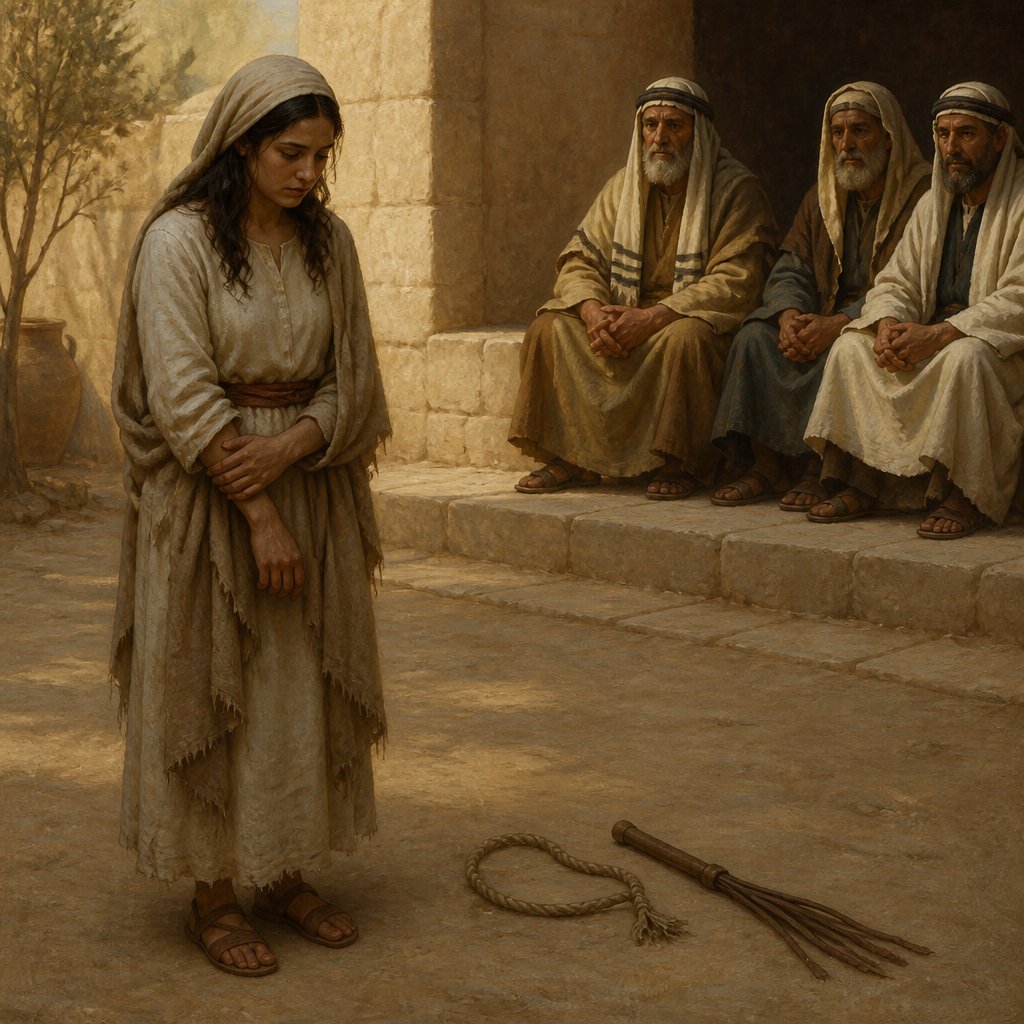
As believers in today's world, we are often confronted with challenging passages in the Scriptures that seem distant from our modern context. Leviticus 19:20 (KJV), which reads, "And whosoever lieth carnally with a woman, that is a bondmaid, betrothed to an husband, and not at all redeemed, nor freedom given her; she shall be scourged; they shall not be put to death, because she was not free," invites us not only to explore the historical context of the verse but to seek its deeper meanings relevant to our lives today.
In ancient Israel, the laws given to Moses governed not only spiritual practices but every aspect of life, including social justice, personal conduct, and community relationships. The conditions surrounding this particular verse address issues of ownership, commitment, and the moral obligations of individuals. The scenario speaks of a bondmaid—a servant woman who is in a compromised social position, bound to a master, and already betrothed to another man. Her predicament thwarts her autonomy and highlights the complexity of relationships in a structured society.
The stringent consequences for the male actor in this scenario reveal much about God's concern for justice and the dignity of individuals. The focus here is not solely on the act of sexual immorality, but on the implications of that act within a covenantal framework. The bondmaid, though she occupies a low social status, is still subject to the moral laws that bind the community. Her protection signals God's intention for justice to be upheld, even for those who might seem powerless.
When considering the term 'lie with,' we must confront its connotation—an intimate act that carries immense weight and responsibility. In Scripture, sexual relations are not merely physical; they symbolize deeper commitments and spiritual connections. The fact that this bondmaid is "betrothed to an husband" amplifies the gravity of the sin being addressed. Betrothal in biblical terms represents a partnership that requires fidelity and respect, not only to one another but to the Lord, who sanctifies the marriage covenant.
This also brings us to the heart of redemption. The phrase "not at all redeemed, nor freedom given her" points to the bondmaid's lack of liberty and the urgency for her rescue and restoration. The Lord’s heart for the marginalized and oppressed is consistently evident throughout the Bible. She is not to be put to death as a freed woman would be; instead, her situation demands a different kind of response that reflects her lack of agency.
While the consequences prescribed in the Old Testament appear harsh by modern standards, they must be viewed through the lens of God’s unwavering justice tempered by mercy. The bondmaid’s scourging, while painful, reveals a corrective action—a call to recognize the sin and restore order. Mercy is woven into God's justice as He acknowledges the societal framework that led to her victimization.
For us today, this passage invites us to reflect on our own relationships. Are we careless in how we engage with others, acknowledging their worth as image-bearers of God? Do we respect the commitments made by those around us and resist the temptation to act based on impulse? Moreover, this verse challenges us to advocate for those unable to advocate for themselves, as God calls us to be instruments of His justice in a world rife with exploitation and abuse.
In Christ, we find the ultimate picture of redemption. While the law points to human failure, His grace offers both forgiveness and liberation. Colossians 3:11 reminds us that in Christ, there is neither bond nor free, but we are all one in Him. The sanctity of relationships, as prescribed by God, points us back to His ultimate desire for restoration, dignity, and redemption for all. Just as the bondmaid needed a way out from her circumstances, we are reminded that through Jesus, we too are invited into lives of freedom and wholeness. Let us therefore strive to reflect this divine truth in every relationship we navigate.
Get our apps


Artwork for Leviticus 19:20

Leviticus 19:20 - "¶ And whosoever lieth carnally with a woman, that is a bondmaid, betrothed to an husband, and not at all redeemed, nor freedom given her; she shall be scourged; they shall not be put to death, because she was not free."
"¶ And whosoever lieth carnally with a woman, that is a bondmaid, betrothed to an husband, and not at all redeemed, nor freedom given her; she shall be scourged; they shall not be put to death, because she was not free." - Leviticus 19:20

Leviticus 20:19 - "And thou shalt not uncover the nakedness of thy mother's sister, nor of thy father's sister: for he uncovereth his near kin: they shall bear their iniquity."

Leviticus 23:20

Leviticus 24:20-23

Leviticus 21:19 - "Or a man that is brokenfooted, or brokenhanded,"

Leviticus 20:1 - "And the LORD spake unto Moses, saying,"

Leviticus 10:20 - "And when Moses heard that, he was content."

Leviticus 6:19 - "¶ And the LORD spake unto Moses, saying,"

Leviticus 19:1 - "And the LORD spake unto Moses, saying,"

Leviticus 11:19 - "And the stork, the heron after her kind, and the lapwing, and the bat."

Leviticus 19:7 - "And if it be eaten at all on the third day, it is abominable; it shall not be accepted."

Leviticus 20:22-26 simple picture

Picture to summarize Leviticus 20:22-26

"Or a man that is brokenfooted, or brokenhanded," - Leviticus 21:19

Leviticus 5:19 - "It is a trespass offering: he hath certainly trespassed against the LORD."

Leviticus 19:35 - "¶ Ye shall do no unrighteousness in judgment, in meteyard, in weight, or in measure."
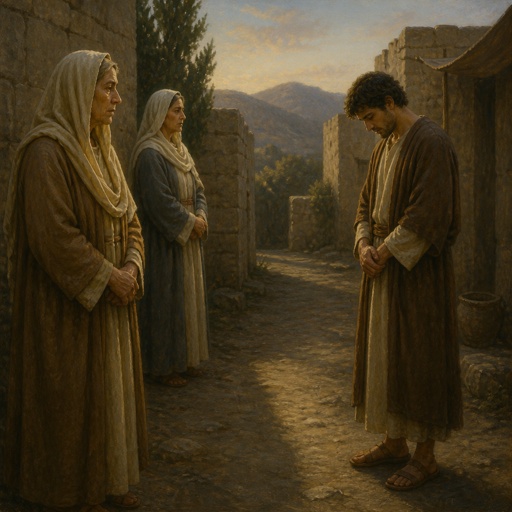
"And thou shalt not uncover the nakedness of thy mother's sister, nor of thy father's sister: for he uncovereth his near kin: they shall bear their iniquity." - Leviticus 20:19

Leviticus 20:20 - "And if a man shall lie with his uncle's wife, he hath uncovered his uncle's nakedness: they shall bear their sin; they shall die childless."

Leviticus 8:19 - "And he killed it; and Moses sprinkled the blood upon the altar round about."

Leviticus 19:33 - "¶ And if a stranger sojourn with thee in your land, ye shall not vex him."

Genesis 19-20

Genesis 20-19

Leviticus 9:20 - "And they put the fat upon the breasts, and he burnt the fat upon the altar:"

Leviticus 8:20 - "And he cut the ram into pieces; and Moses burnt the head, and the pieces, and the fat."

Leviticus 22:20 - "But whatsoever hath a blemish, that shall ye not offer: for it shall not be acceptable for you."

Leviticus 19:11 - "¶ Ye shall not steal, neither deal falsely, neither lie one to another."

Leviticus 19:24 - "But in the fourth year all the fruit thereof shall be holy to praise the LORD withal."

Leviticus 20:7 - "¶ Sanctify yourselves therefore, and be ye holy: for I am the LORD your God."

Leviticus 13:19 - "And in the place of the boil there be a white rising, or a bright spot, white, and somewhat reddish, and it be shewed to the priest;"