Embracing the Stranger: A Divine Call to Love
“But the stranger that dwelleth with you shall be unto you as one born among you, and thou shalt love him as thyself; for ye were strangers in the land of Egypt: I am the LORD your God.” — Leviticus 19:34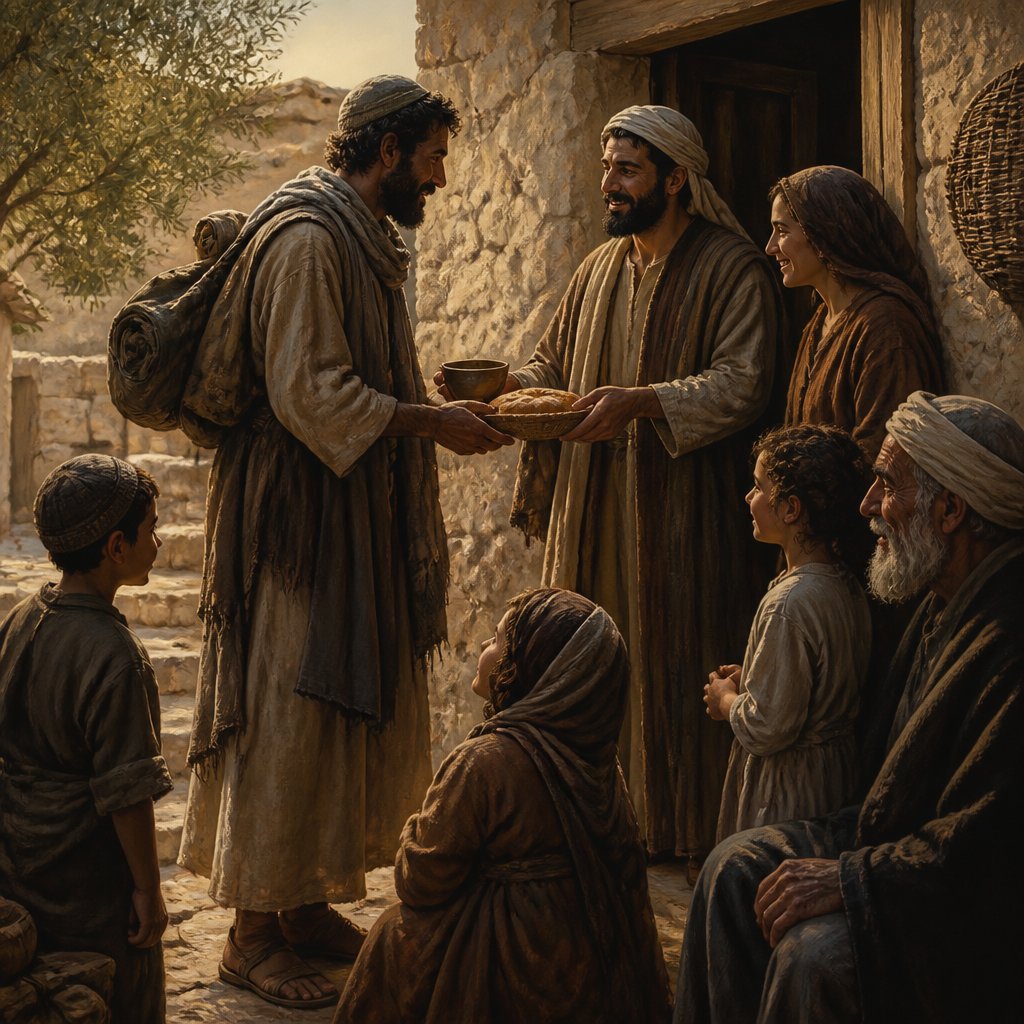
In Leviticus 19:34, we find a profound declaration from God, encapsulated in the words of the King James Version (KJV): "But the stranger that dwelleth with you shall be unto you as one born among you, and thou shalt love him as thyself; for ye were strangers in the land of Egypt: I am the LORD your God." This verse places a powerful emphasis on the cultivation of love and acceptance towards those who are different from us, particularly those who are outsiders—strangers among our communities.
In ancient Israel, where this command was given, the nation comprised people who had been oppressed and marginalized; they were once strangers in the land of Egypt. By reminding the Israelites of their own history, God invites them to empathize with the plight of the foreigner. Have we not all felt like strangers at some point in our lives? Whether we experience culture shock in a new city, face unwarranted judgment due to our appearance, or simply feel out of place in social settings, the feelings of isolation and longing for acceptance are universal. God calls us, not only to remember our own stories of alienation but also to take active steps in loving those who find themselves in similar situations.
To love a stranger as ourselves is perhaps one of the most challenging commands given to us in Scripture. It beckons us outside of our comfort zones and compels us to expand our understanding of community and belonging. As we meditate on this command, it invokes a series of questions: Who is the stranger in my life? Am I willing to open my heart and my home to those who are different from me? How do my actions reflect the love of God towards those who are marginalized?
This directive is anchored in the character of God, described here as "I am the LORD your God." The significance of this declaration cannot be overstated; it ties the command of love to the very nature of God's covenant relationship with His people. Love is not merely a suggestion but a command rooted in the holiness of God Himself. As believers today, we are called to mimic this divine love, which is unconditional and encompasses all humanity—reflecting the heart of Jesus who walked among the marginalized and the outcasts of His time.
We must recognize that loving the stranger requires intentionality. It is easy to love those who are like us, who look like us, think like us, and share our interests. Yet, Jesus challenged us to love beyond our own circle. When we confront prejudices, biases, or stereotypes within ourselves, we are following the path Jesus laid before us. He routinely associated with those deemed unworthy, offering grace and compassion, thereby uplifting the lowest of society. As His followers, we are called to extend that same grace.
Moreover, embracing the stranger not only benefits them, but it also enriches our lives. Through these relationships, we gain new perspectives that deepen our understandings of love and community. We learn that the stranger has a story, a history, and often, wisdom that can profoundly impact our own lives.
In a world that can feel increasingly divided, let us commit to fostering environments of inclusion and acceptance. Whether it is through our words, actions, or prayerful intercession, we are called to exemplify the love of Christ to the strangers around us. Let us not shy away from the consequences of loving boldly; we might find that in offering love to the stranger, we create spaces for healing, hope, and harmony.
As we reflect on Leviticus 19:34, may we be mindful of our duty to love without hesitation or reservation. Let us remember, "for ye were strangers in the land of Egypt,” a powerful reminder of our shared humanity. Ultimately, as we embrace the stranger, we live out the character of God—who is endlessly loving, fiercely compassionate, and eternally just.
Get our apps


Artwork for Leviticus 19:34

Leviticus 19:34 - "But the stranger that dwelleth with you shall be unto you as one born among you, and thou shalt love him as thyself; for ye were strangers in the land of Egypt: I am the LORD your God."
"But the stranger that dwelleth with you shall be unto you as one born among you, and thou shalt love him as thyself; for ye were strangers in the land of Egypt: I am the LORD your God." - Leviticus 19:34

Leviticus 25:34 - "But the field of the suburbs of their cities may not be sold; for it is their perpetual possession."

Genesis 19-34

Leviticus 19:33-34 - "When a stranger resides with you in your land, you shall not do him wrong. The stranger who resides with you shall be to you as the native among you, and you shall love him as yourself, for you were aliens in the land of Egypt; I am the Lord your God."

Leviticus 27:34 - "These are the commandments, which the LORD commanded Moses for the children of Israel in mount Sinai."

2 Chronicles 34:19

2 Chronicles 34:19

Luke 19:34 - "And they said, The Lord hath need of him."

Leviticus 8:34 - "As he hath done this day, so the LORD hath commanded to do, to make an atonement for you."

Leviticus 21:19 - "Or a man that is brokenfooted, or brokenhanded,"

Numbers 34:19 - "And the names of the men are these: Of the tribe of Judah, Caleb the son of Jephunneh."

Leviticus 6:19 - "¶ And the LORD spake unto Moses, saying,"

Leviticus 19:1 - "And the LORD spake unto Moses, saying,"

Psalms 34:19 - "Many are the afflictions of the righteous: but the LORD delivereth him out of them all."
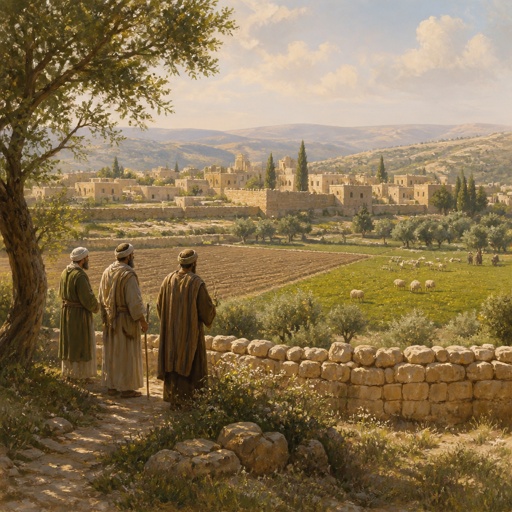
"But the field of the suburbs of their cities may not be sold; for it is their perpetual possession." - Leviticus 25:34

Leviticus 23:34 - "Speak unto the children of Israel, saying, The fifteenth day of this seventh month shall be the feast of tabernacles for seven days unto the LORD."

Leviticus 14:34 - "When ye be come into the land of Canaan, which I give to you for a possession, and I put the plague of leprosy in a house of the land of your possession;"

Leviticus 11:34 - "Of all meat which may be eaten, that on which such water cometh shall be unclean: and all drink that may be drunk in every such vessel shall be unclean."

Leviticus 11:19 - "And the stork, the heron after her kind, and the lapwing, and the bat."

Leviticus 19:7 - "And if it be eaten at all on the third day, it is abominable; it shall not be accepted."

Leviticus 16:34 - "And this shall be an everlasting statute unto you, to make an atonement for the children of Israel for all their sins once a year. And he did as the LORD commanded Moses."

"Or a man that is brokenfooted, or brokenhanded," - Leviticus 21:19

Leviticus 26:34 - "Then shall the land enjoy her sabbaths, as long as it lieth desolate, and ye be in your enemies' land; even then shall the land rest, and enjoy her sabbaths."

Leviticus 5:19 - "It is a trespass offering: he hath certainly trespassed against the LORD."

Leviticus 19:35 - "¶ Ye shall do no unrighteousness in judgment, in meteyard, in weight, or in measure."

2 Kings 19:34 - "For I will defend this city, to save it, for mine own sake, and for my servant David's sake."

John 19:34 - "But one of the soldiers with a spear pierced his side, and forthwith came there out blood and water."

Leviticus 8:19 - "And he killed it; and Moses sprinkled the blood upon the altar round about."

Leviticus 19:33 - "¶ And if a stranger sojourn with thee in your land, ye shall not vex him."