Unleavened Elation: Understanding the Significance of Purity in Our Sacrifices
"No meat offering, which ye shall bring unto the LORD, shall be made with leaven: for ye shall burn no leaven, nor any honey, in any offering of the LORD made by fire." - Leviticus 2:11
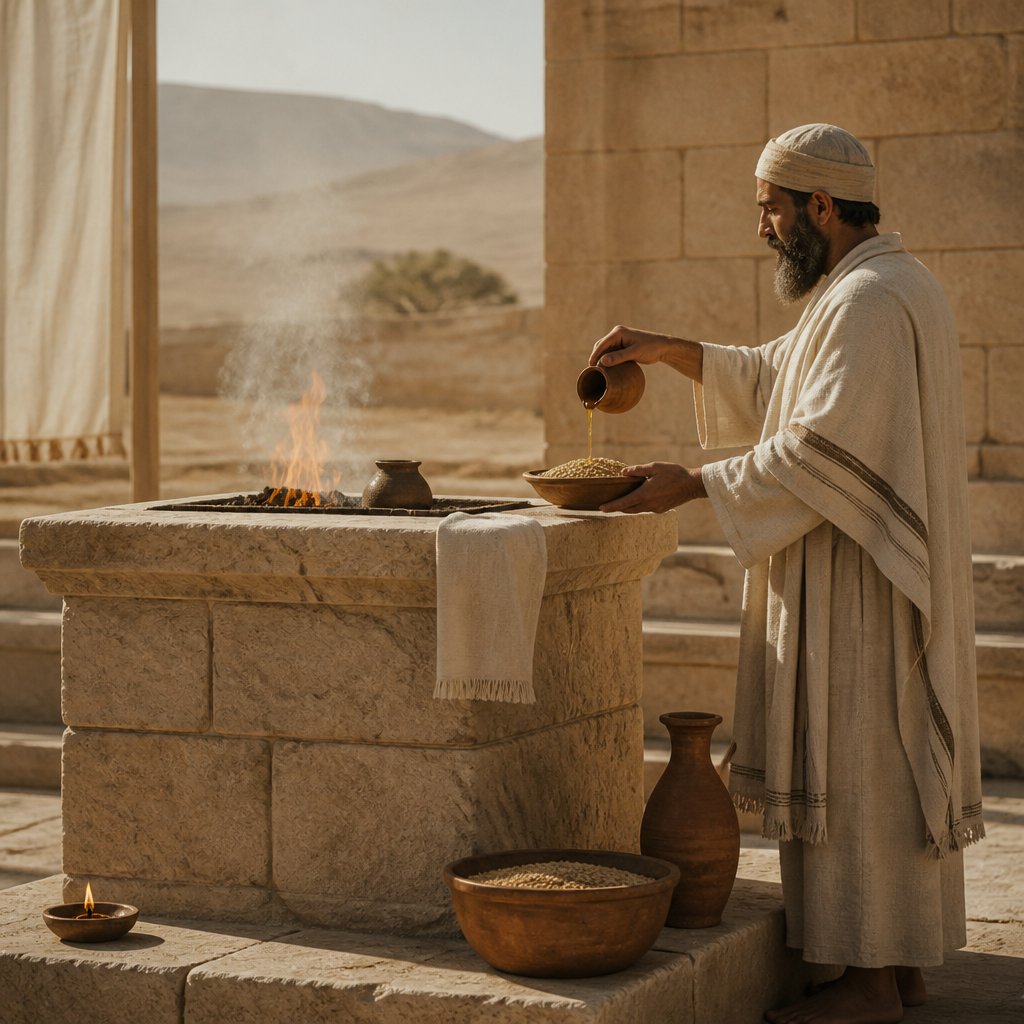
As we delve into Leviticus 2:11, we find a profound instruction given to the children of Israel regarding their offerings: "No meat offering, which ye shall bring unto the LORD, shall be made with leaven: for ye shall burn no leaven, nor any honey, in any offering of the LORD made by fire." This directive from God is rich in meaning and calls us to reflect on the essence of what it means to offer something to the Lord.
To truly grasp this verse, we must first understand what leaven and honey symbolize within biblical contexts. Leaven, commonly known as yeast, is an agent of fermentation that causes dough to rise. In the Bible, leaven often represents sin, pride, and corruption, things that can spoil and change the purity of our intentions. When we think about offerings to God, especially in the context of sacrifices mandated by the Law, purity becomes a central theme.
When God instructed His people not to include leaven in their offerings, it was a clear message that He desires purity in what we bring before Him. Similarly, honey, which has sweetness and is often a symbol of abundance or the good things of life, was also excluded from these offerings. This may seem surprising, as sweetness often connotes favor and delight. However, God was teaching His people that while He is the giver of all good things, our offerings need to be untainted and genuine, reflecting reverence rather than self-indulgence.
In our modern-day context, what does this verse mean for us as believers? It calls us to examine the condition of our hearts as we present our lives and offerings to God. Just as the Old Testament sacrifices required meticulous attention to detail, so should our worship and service be performed with integrity and a focused heart. Are we bringing 'leavened' acts of service? Are we allowing pride, self-centeredness, or hidden sins to taint our offerings?
Jesus spoke about the leaven of the Pharisees, which represented their hypocrisy. In the same way, we must not allow any form of hypocrisy to infiltrate our offerings. When we serve, our hearts should align with our actions. If we are contributing time, resources, or talents to God, they must stem from a place of sincerity, devoid of the leaven of deceit. A pure offering is an offering made with a heart that seeks righteousness and reflects God's love and grace.
Moreover, this verse also encourages us to embrace transparency and repentance. If there are areas in our lives where leaven has crept in, it is vital to acknowledge and confess those to the Lord. God invites us to come to Him with honest hearts, and when we do, He is faithful to cleanse us and remove the barriers that separate us from Him. In our worship, let us strive for authenticity, allowing God to purify our offerings.
As we reflect on the nature of our sacrifices today, we might question how we incorporate this into our lives. It may mean reevaluating how we engage with God through prayer, service, giving, and worship. Are we rushing through our commitments? Are we sincere in our gratitude? Is our love for Him reflected in our actions? God desires our entire beings as living sacrifices (Romans 12:1). This is evidenced in every part of our lives, including our relationships with others, the decisions we make daily, and how we choose to influence those around us.
In conclusion, Leviticus 2:11 serves as a reminder that our offerings must be made without leaven, embodying purity, sincerity, and reverence toward God. Embrace a life that seeks to honor Him with unblemished intentions and a heart that is aligned with His will. May we always strive to purify ourselves from the leaven of the world and come before our Lord with offerings that are pleasing in His sight. Let our offerings, whether they be acts of service, gifts, or moments of worship, reflect the holiness and love of Christ, who offered Himself unblemished for us.
Want to reflect more on Leviticus 2:11?
Continue your spiritual journey with Bible Chat — an AI-powered tool for exploring God's Word through conversation. Ask questions, discover connections, and deepen your understanding.
Get Our Apps


Leviticus 2:11 Artwork

Leviticus 2:11 - "No meat offering, which ye shall bring unto the LORD, shall be made with leaven: for ye shall burn no leaven, nor any honey, in any offering of the LORD made by fire."
"No meat offering, which ye shall bring unto the LORD, shall be made with leaven: for ye shall burn no leaven, nor any honey, in any offering of the LORD made by fire." - Leviticus 2:11

Leviticus 11:2 - "Speak unto the children of Israel, saying, These are the beasts which ye shall eat among all the beasts that are on the earth."
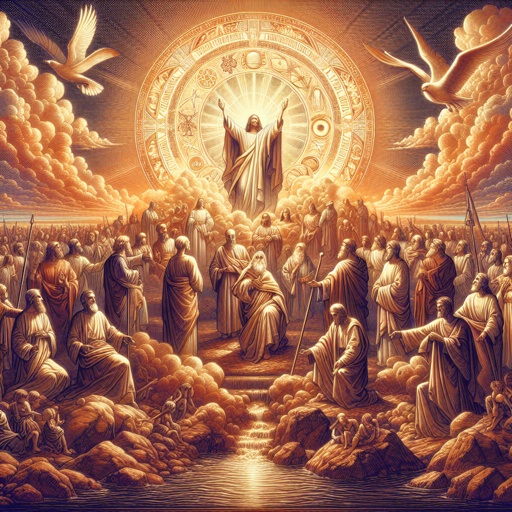
Leviticus 11:22
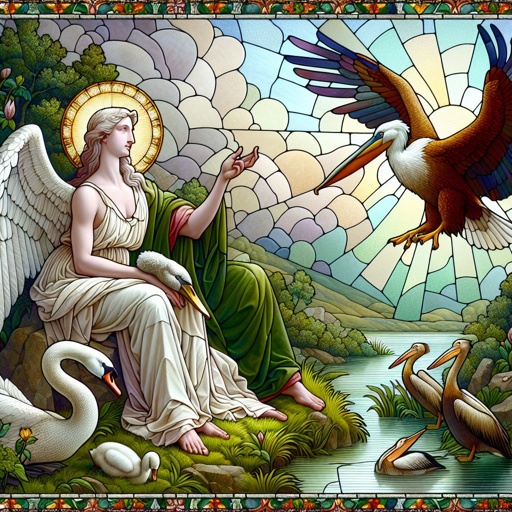
Leviticus 11:18 - "And the swan, and the pelican, and the gier eagle,"
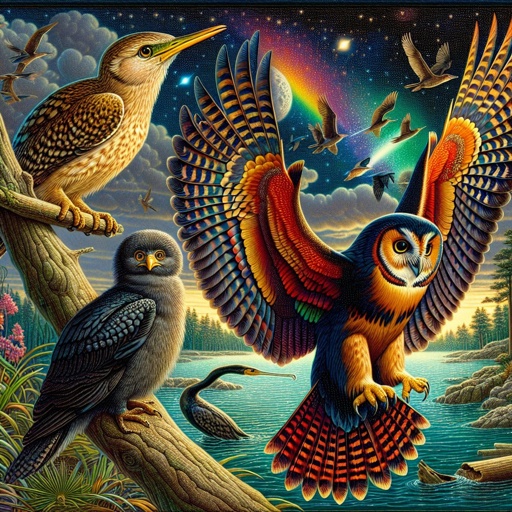
Leviticus 11:17 - "And the little owl, and the cormorant, and the great owl,"

Leviticus 11:14 - "And the vulture, and the kite after his kind;"
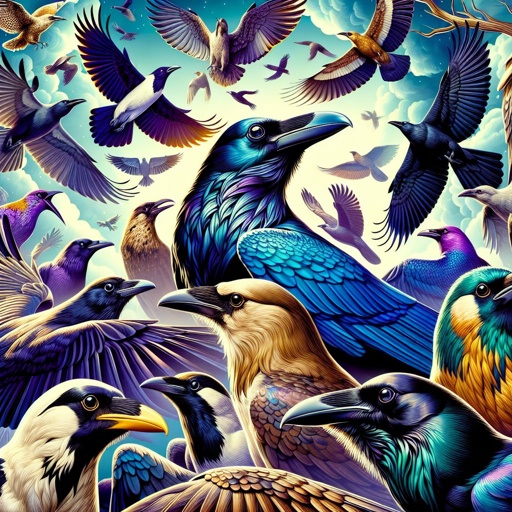
Leviticus 11:15 - "Every raven after his kind;"

Leviticus 11:30 - "And the ferret, and the chameleon, and the lizard, and the snail, and the mole."

Leviticus 11:19 - "And the stork, the heron after her kind, and the lapwing, and the bat."

Leviticus 9:11 - "And the flesh and the hide he burnt with fire without the camp."

Leviticus 11:1 - "And the LORD spake unto Moses and to Aaron, saying unto them,"

Leviticus 11:16 - "And the owl, and the night hawk, and the cuckow, and the hawk after his kind,"

Leviticus 11:41 - "And every creeping thing that creepeth upon the earth shall be an abomination; it shall not be eaten."

Leviticus 19:11 - "¶ Ye shall not steal, neither deal falsely, neither lie one to another."

Leviticus 7:11 - "And this is the law of the sacrifice of peace offerings, which he shall offer unto the LORD."
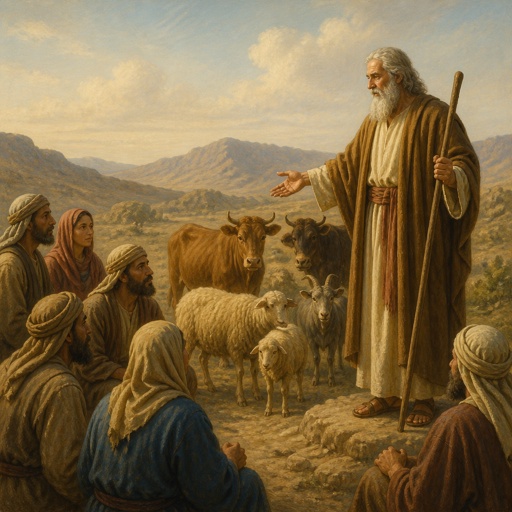
"Speak unto the children of Israel, saying, These are the beasts which ye shall eat among all the beasts that are on the earth." - Leviticus 11:2

"And the swan, and the pelican, and the gier eagle," - Leviticus 11:18

Leviticus 11:12 - "Whatsoever hath no fins nor scales in the waters, that shall be an abomination unto you."

Leviticus 11:8 - "Of their flesh shall ye not eat, and their carcase shall ye not touch; they are unclean to you."

Leviticus 26:11 - "And I will set my tabernacle among you: and my soul shall not abhor you."

Leviticus 3:11 - "And the priest shall burn it upon the altar: it is the food of the offering made by fire unto the LORD."

Leviticus 11:24 - "And for these ye shall be unclean: whosoever toucheth the carcase of them shall be unclean until the even."

Leviticus 11:5 - "And the coney, because he cheweth the cud, but divideth not the hoof; he is unclean unto you."

Leviticus 11:20 - "All fowls that creep, going upon all four, shall be an abomination unto you."

Leviticus 11:3 - "Whatsoever parteth the hoof, and is clovenfooted, and cheweth the cud, among the beasts, that shall ye eat."

Leviticus 11:6 - "And the hare, because he cheweth the cud, but divideth not the hoof; he is unclean unto you."

Leviticus 11:37 - "And if any part of their carcase fall upon any sowing seed which is to be sown, it shall be clean."

"And the ferret, and the chameleon, and the lizard, and the snail, and the mole." - Leviticus 11:30

Leviticus 11:47 - "To make a difference between the unclean and the clean, and between the beast that may be eaten and the beast that may not be eaten."