A Call to Holiness: Understanding God's Standards
“And if a man lie with a beast, he shall surely be put to death: and ye shall slay the beast.” — Leviticus 20:15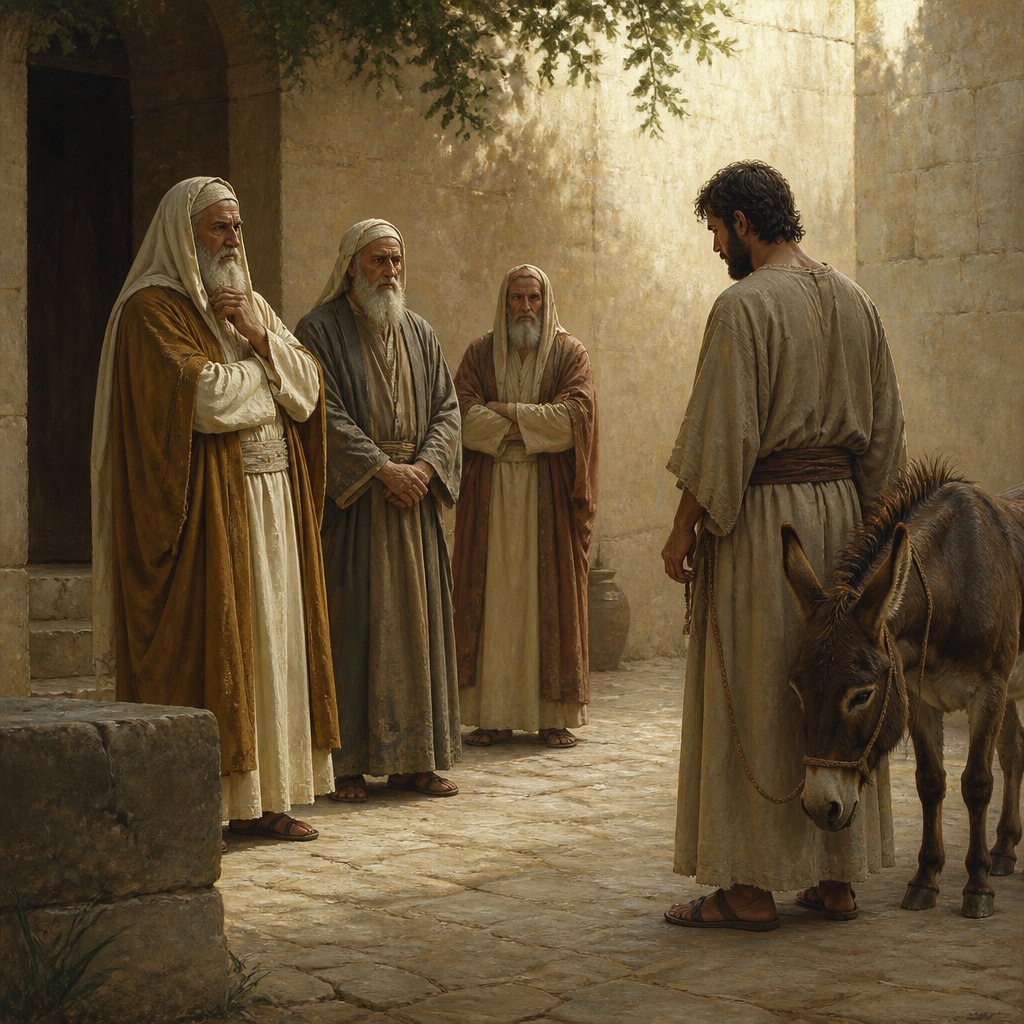
Leviticus 20:15 states, "And if a man lie with a beast, he shall surely be put to death: and ye shall slay the beast." At first glance, this verse from Leviticus may seem harsh or even alien to our contemporary understanding of morality. However, as we delve deeper into its context and the underlying principles, we discover profound truths about God's character, human dignity, and our call to holiness.
In Leviticus, God was establishing laws for His people, the Israelites, as they prepared to enter the Promised Land. These regulations served to set them apart from the surrounding nations, who often engaged in practices that were not just morally questionable but utterly devastating. This specific command regarding bestiality – an act that degrades the sanctity of human life and the order of creation – reveals God's deep concern for his creation and His desire for purity among His people.
At the heart of this commandment lies a fundamental principle: the sacredness of the created order. God created humanity in His own image, distinct from animals, and He has orchestrated a world where each creature has its place and purpose. By prohibiting sexual relations between humans and animals, God underscores the importance of maintaining the boundaries He has established within His creation. This divine order reflects His nature—holy, just, and purposeful. To breach these boundaries was to rebel against God’s design and intention, embracing chaos and disorder.
Furthermore, this scripture highlights the seriousness of sin. The penalty prescribed for such actions—capital punishment for the offender and the slaying of the beast—demonstrates that certain sins carry consequences that can disrupt community and fellowship with God. In ancient Israel, communal purity would have been vital for maintaining the covenant relationship God desired with His people. To allow such an abominable act to go unpunished would essentially signal an acceptance of depravity, tarnishing the holiness that God sought to instill in His nation.
Today, while we may not be faced with the literal application of this law, the essence of the command rings relevant: we are called to maintain moral purity, reflect God's holiness, and uphold the dignity of all creation. In our age, where boundaries are often blurred and moral relativism prevails, this passage challenges us to evaluate what we accept as right and wrong according to God’s standards. It confronts us with the question: Are we willing to uphold the truths of God’s word in our lives, even when they are countercultural?
The New Testament echoes this call to purity, urging believers to present their bodies as living sacrifices, holy and acceptable unto God (Romans 12:1). We are reminded that our actions matter, and we are called to reflect the love and righteousness of Christ in all we do. As we navigate our daily lives, filled with temptations and moral ambiguities, let us remember that we are representatives of Christ’s character on earth. Just as the Israelites were set apart, we too are to reflect God’s holiness in our conduct, avoiding not only actions that betray His commandments but also attitudes that promote moral decay.
In embracing God’s call to holiness, we must also remember that He offers grace to the repentant. While the punishment of sin is severe, the love and redemption found in Jesus Christ remind us that even the deepest moral failure can be restored. God does not delight in the death of the sinner; rather, He calls us to repentance and reconciliation.
As we meditate on Leviticus 20:15, let us ask the Lord to search our hearts, to reveal areas where we may have strayed from His standards, and to guide us back to the path of righteousness. Our God is a just God who demands holiness, and at the same time, He is merciful, eagerly awaiting our return to Him. Let us devote ourselves to living lives that honor God, upholding the dignity of His creation and advancing His kingdom with purity, love, and grace.
Get our apps


Artwork for Leviticus 20:15

Leviticus 20:15 - "And if a man lie with a beast, he shall surely be put to death: and ye shall slay the beast." The image should not depict explicit or offensive content but be symbolic.
"And if a man lie with a beast, he shall surely be put to death: and ye shall slay the beast." - Leviticus 20:15

Leviticus 15:20 - "And every thing that she lieth upon in her separation shall be unclean: every thing also that she sitteth upon shall be unclean."

Leviticus 23:20

Leviticus 24:20-23

Leviticus 20:1 - "And the LORD spake unto Moses, saying,"

Leviticus 10:20 - "And when Moses heard that, he was content."

Leviticus 23:15-22

Leviticus 11:15 - "Every raven after his kind;"

Leviticus 20:22-26 simple picture

Picture to summarize Leviticus 20:22-26
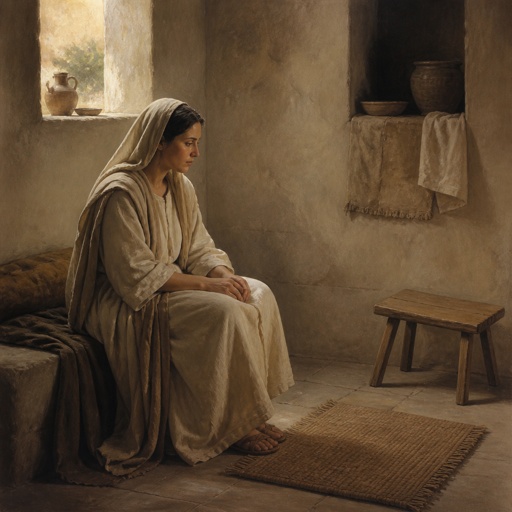
"And every thing that she lieth upon in her separation shall be unclean: every thing also that she sitteth upon shall be unclean." - Leviticus 15:20

Leviticus 15:1 - "And the LORD spake unto Moses and to Aaron, saying,"

Leviticus 20:20 - "And if a man shall lie with his uncle's wife, he hath uncovered his uncle's nakedness: they shall bear their sin; they shall die childless."

Leviticus 9:20 - "And they put the fat upon the breasts, and he burnt the fat upon the altar:"

Leviticus 8:20 - "And he cut the ram into pieces; and Moses burnt the head, and the pieces, and the fat."

Leviticus 22:20 - "But whatsoever hath a blemish, that shall ye not offer: for it shall not be acceptable for you."

Leviticus 20:7 - "¶ Sanctify yourselves therefore, and be ye holy: for I am the LORD your God."

Leviticus 15:15 - "And the priest shall offer them, the one for a sin offering, and the other for a burnt offering; and the priest shall make an atonement for him before the LORD for his issue."

Genesis 15:20

Genesis 20-15

Leviticus 18:20 - "Moreover thou shalt not lie carnally with thy neighbour's wife, to defile thyself with her."

Leviticus 11:20 - "All fowls that creep, going upon all four, shall be an abomination unto you."

Leviticus 21:20 - "Or crookbackt, or a dwarf, or that hath a blemish in his eye, or be scurvy, or scabbed, or hath his stones broken;"

"And the LORD spake unto Moses, saying," - Leviticus 20:1
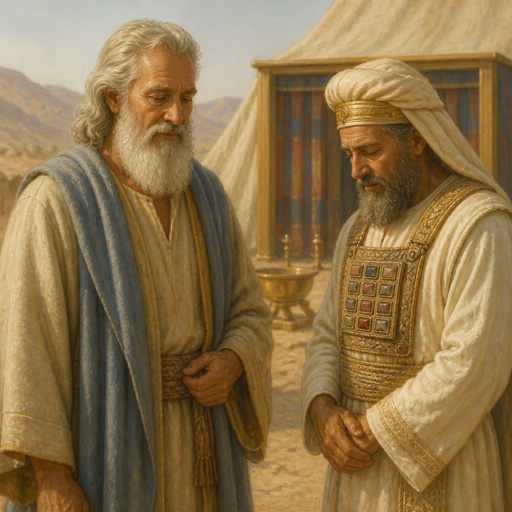
"And when Moses heard that, he was content." - Leviticus 10:20

Leviticus 20:8 - "And ye shall keep my statutes, and do them: I am the LORD which sanctify you."

Leviticus 15:9 - "And what saddle soever he rideth upon that hath the issue shall be unclean."

Leviticus 2:15 - "And thou shalt put oil upon it, and lay frankincense thereon: it is a meat offering."

Leviticus 22:15 - "And they shall not profane the holy things of the children of Israel, which they offer unto the LORD;"