Living in the Distinction: Embracing God’s Standards for Holiness
“Ye shall therefore put difference between clean beasts and unclean, and between unclean fowls and clean: and ye shall not make your souls abominable by beast, or by fowl, or by any manner of living thing that creepeth on the ground, which I have separated from you as unclean.” — Leviticus 20:25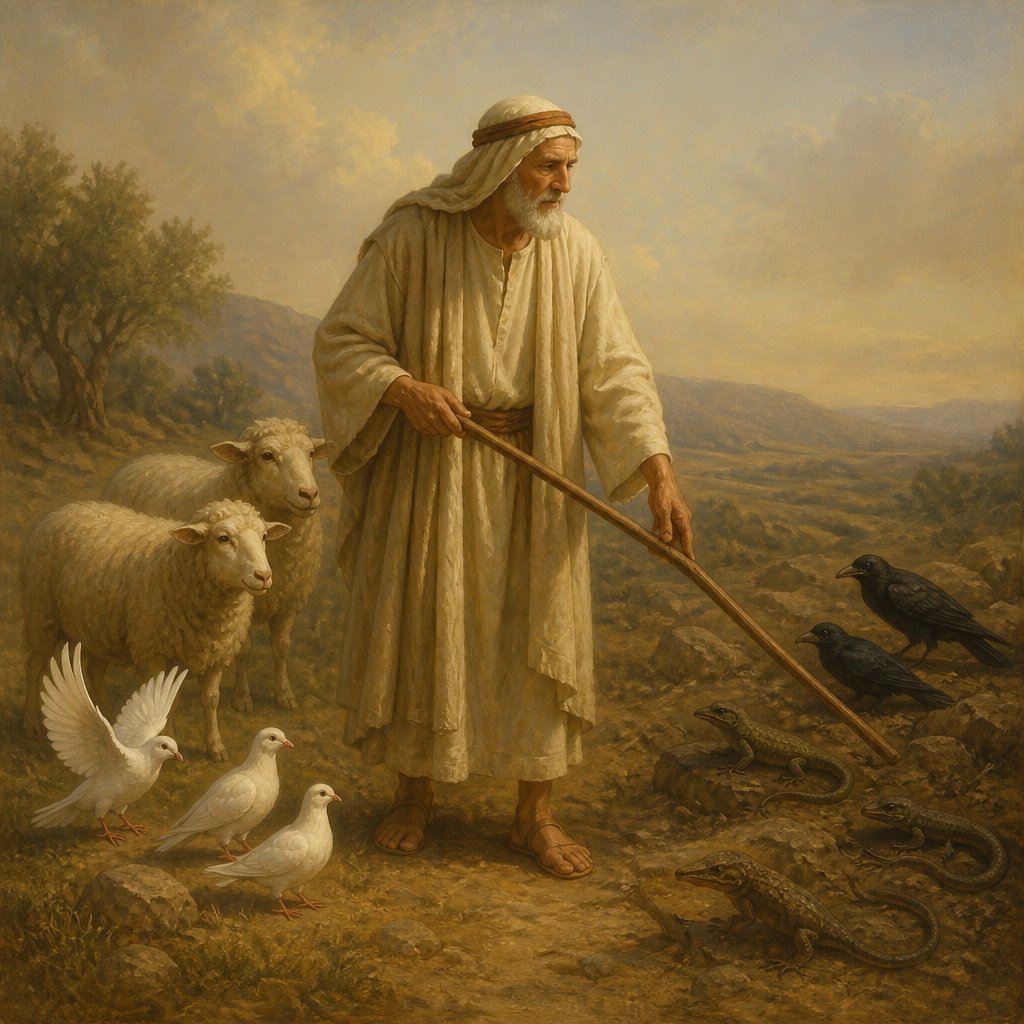
Leviticus 20:25 states, “Ye shall therefore put difference between clean beasts and unclean, and between unclean fowls and clean: and ye shall not make your souls abominable by beast, or by fowl, or by any manner of living thing that creepeth on the ground, which I have separated from you as unclean.” This verses invites us to reflect deeply on the significance of God's decrees regarding cleanliness, both physically and spiritually.
In this passage, the Lord urges His people to distinguish between what is clean and unclean. This distinction signifies more than just dietary laws; it represents a fundamental principle of holiness that God desires from His people. The Israelites were called to live in a manner that reflected their covenant relationship with God—set apart and unique among the nations. In our modern context, this directive still holds immense relevance as we navigate our lives in a world often characterized by moral ambiguity and confusion.
The term 'clean' and 'unclean' throughout Leviticus is rooted in deep spiritual symbolism. Clean creatures represented those things that were acceptable to God, embodying purity, righteousness, and the divine proper order. In contrast, the unclean signified those things that were seen as defiled—representative of sin and impurity. By maintaining a distinction, God's people were engaging in a daily reminder of their identity and calling.
From a Christian viewpoint, the call to purity extends beyond physical distinctions. It challenges us to evaluate our souls and actions in the light of God’s word. James 1:27 reminds us of true religion: “Pure religion and undefiled before God and the Father is this, To visit the fatherless and widows in their affliction, and to keep himself unspotted from the world.” The connection here is profound; as followers of Christ, we are also charged with emphasizing holiness in our daily lives. The external practices may differ, but the essence remains the same: to be sensitive to God’s standards and to live distinctly from the world.
Living apart requires conscious choices. We must be diligent in our discernment—differentiating between influences that draw us closer to God and those that lead us into spiritual contamination. It can be easy to forget the importance of maintaining holiness in an era filled with relativism and the normalization of sin. As God's people, we are called to embrace what is clean and reject what is unclean, not just in our conduct but also in what we consume1—in media, relationships, and ideologies. Our holiness acts as a testimony to the world, illustrating the beauty of a life rooted in Christ’s love, peace, and righteousness.
Moreover, understanding this distinction can often lead us to reflect upon the state of our hearts. Are we harboring unclean thoughts or indulging in behaviors that the Lord has set apart as unholy? Reflecting on God’s standards encourages us to examine the gravity of our choices. Each day offers us opportunities to align ourselves with God’s will and pursue a life that honors Him amid the chaos of a fallen world.
God’s decrees remind us that He desires not only our obedience but our hearts as clean vessels ready for His purpose. He invites us to live lives that mirror His holiness. Encouraged by the Holy Spirit, we can cultivate an understanding of what God considers clean and what He deems unclean. Like the Israelites, we must commit to distinguishing ourselves, responding not with legalism, but with a heart full of grace, eager to reflect the character of Christ in every aspect of our lives.
As we walk this journey, may we pray for clarity, wisdom, and a discerning spirit. May we put a difference between clean and unclean in our lives—not unto condemnation, but unto transformation, becoming vessels of God’s glory and love.
Get our apps


Artwork for Leviticus 20:25

Leviticus 20:25 - "Ye shall therefore put difference between clean beasts and unclean, and between unclean fowls and clean: and ye shall not make your souls abominable by beast, or by fowl, or by any manner of living thing that creepeth on the ground, which I have separated from you as unclean."
"Ye shall therefore put difference between clean beasts and unclean, and between unclean fowls and clean: and ye shall not make your souls abominable by beast, or by fowl, or by any manner of living thing that creepeth on the ground, which I have separated from you as unclean." - Leviticus 20:25

Leviticus 25:20 - "And if ye shall say, What shall we eat the seventh year? behold, we shall not sow, nor gather in our increase:"

Leviticus 23:20
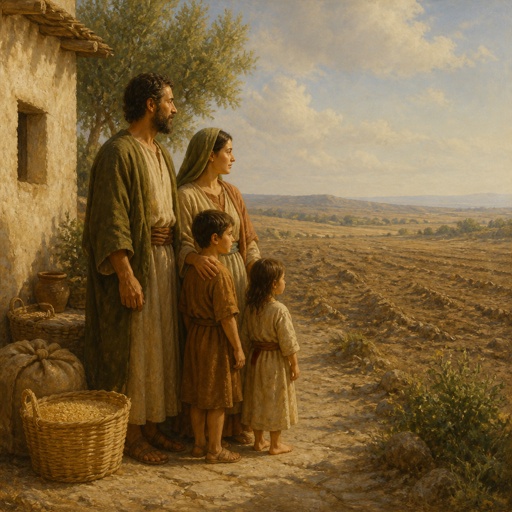
"And if ye shall say, What shall we eat the seventh year? behold, we shall not sow, nor gather in our increase:" - Leviticus 25:20

Leviticus 24:20-23

Leviticus 25:26 - "And if the man have none to redeem it, and himself be able to redeem it;"

Leviticus 25:34 - "But the field of the suburbs of their cities may not be sold; for it is their perpetual possession."

Leviticus 25:1 - "And the LORD spake unto Moses in mount Sinai, saying,"

Leviticus 16:25 - "And the fat of the sin offering shall he burn upon the altar."

Leviticus 20:1 - "And the LORD spake unto Moses, saying,"

Leviticus 10:20 - "And when Moses heard that, he was content."

Leviticus 25:24 - "And in all the land of your possession ye shall grant a redemption for the land."

Leviticus 25:13 - "In the year of this jubile ye shall return every man unto his possession."

Leviticus 25:23 - "¶ The land shall not be sold for ever: for the land is mine; for ye are strangers and sojourners with me."
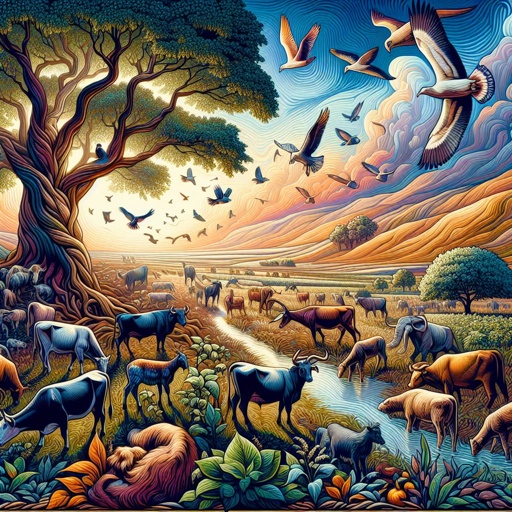
Leviticus 25:7 - "And for thy cattle, and for the beast that are in thy land, shall all the increase thereof be meat."
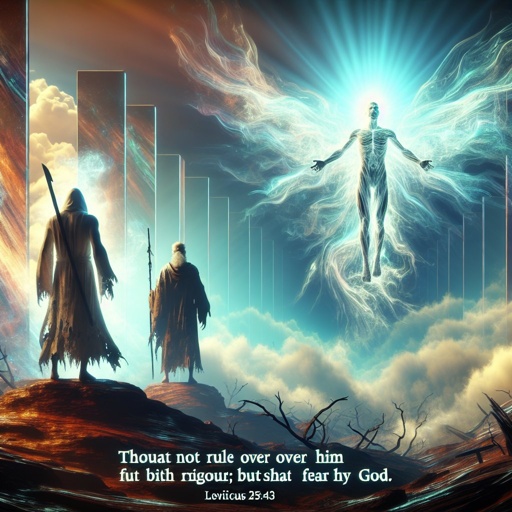
Leviticus 25:43 - "Thou shalt not rule over him with rigour; but shalt fear thy God."

Leviticus 20:22-26 simple picture

Picture to summarize Leviticus 20:22-26

Leviticus 25:32 - "Notwithstanding the cities of the Levites, and the houses of the cities of their possession, may the Levites redeem at any time."

Leviticus 27:25 - "And all thy estimations shall be according to the shekel of the sanctuary: twenty gerahs shall be the shekel."

Leviticus 25:25 - "¶ If thy brother be waxen poor, and hath sold away some of his possession, and if any of his kin come to redeem it, then shall he redeem that which his brother sold."

Leviticus 25:12 - "For it is the jubile; it shall be holy unto you: ye shall eat the increase thereof out of the field."

Leviticus 25:40 - "But as an hired servant, and as a sojourner, he shall be with thee, and shall serve thee unto the year of jubile:"

Cycle of sabbath rest year. Leviticus 25:1-7

Leviticus 20:20 - "And if a man shall lie with his uncle's wife, he hath uncovered his uncle's nakedness: they shall bear their sin; they shall die childless."

Leviticus 25:42 - "For they are my servants, which I brought forth out of the land of Egypt: they shall not be sold as bondmen."
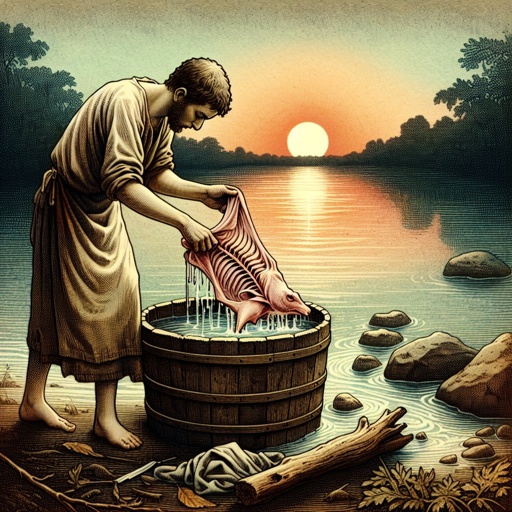
Leviticus 11:25 - "And whosoever beareth ought of the carcase of them shall wash his clothes, and be unclean until the even."

Leviticus 25:48 - "After that he is sold he may be redeemed again; one of his brethren may redeem him:"

Leviticus 9:20 - "And they put the fat upon the breasts, and he burnt the fat upon the altar:"