The Divine Call to Holiness: A Closer Walk with God
“And the LORD spake unto Moses, saying,” — Leviticus 21:16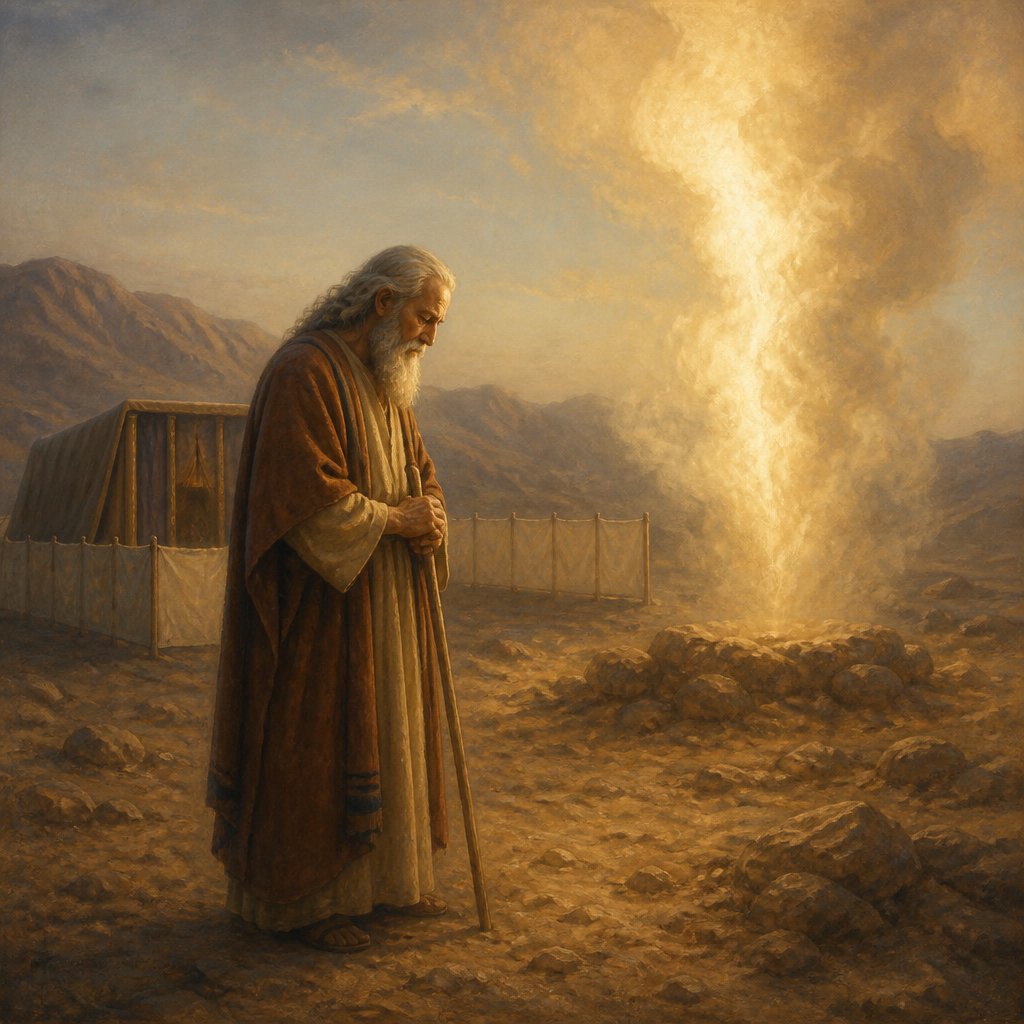
As we open our Bibles to the book of Leviticus, we delve into a critical verse that encapsulates the essence of God's standards for holiness and reminds us of the sacredness of our calling. The passage reads: "And the LORD spake unto Moses, saying" (Leviticus 21:16, KJV). This verse serves as the preamble to a series of divine commandments addressing the priests and their responsibilities in the community of Israel.
The phrase "And the LORD spake unto Moses, saying," is worth our contemplation. It signifies a direct communication between God and His chosen leader, a profound reminder that our God is not distant or silent but actively involved in the lives of His people. In the context of Leviticus, we see God establishing order, sanctity, and a profound sense of responsibility among those who serve Him. What does it mean for us today to understand that God speaks? How does His voice impact our spiritual journey?
First, we must acknowledge that the call to holiness is not merely an ancient commandment but a directive that echoes through time. Just as God required that the priests of Israel fulfill certain standards, He calls each of us into a life that radiates His holiness. The holiness to which we are called should manifest in our character, conversations, and conduct. It is essential to understand that holiness is not just about abstaining from sin but also about pursuing righteousness, embodying love, and reflecting the light of Christ in a world often marred by darkness.
Holiness is a theme threaded throughout the scriptures. In 1 Peter 1:15-16 (KJV), we are reminded, "But as he which hath called you is holy, so be ye holy in all manner of conversation; Because it is written, Be ye holy; for I am holy." This is a continuation of God's intention for His people—from ancient Israel's priests to modern-day believers. What does holiness look like in our lives? It includes living with integrity, upholding justice, and exhibiting compassion—qualities that draw others to the heart of God.
Moreover, this passage invites us to consider the importance of listening. In our fast-paced world, where distractions abound, are we taking the time to hear God's voice? He speaks in various ways—through scripture, prayer, and the counsel of others. Just as Moses experienced direct revelation, we must cultivate a posture of active listening, opening our hearts to receive His wisdom and direction. When we attune our ears to His voice, we find guidance, comfort, and clarity for our lives.
Additionally, we must recognize the implications of our calling. As followers of Christ, we represent Him to the world. The call to holiness is not only about individual integrity but also about community impact. Like the priests of Israel who were to exemplify God’s standards, we are called to live in such a way that others might see our good works and glorify our Father in Heaven (Matthew 5:16, KJV). This can be daunting but also exhilarating, knowing that our lives can be a conduit of God’s grace.
Lastly, let us not neglect the element of grace interwoven into this call. God does not demand perfection but rather a heart oriented toward Him. When we stumble, His grace is sufficient. As we strive for holiness, we lean on the very presence of Christ, who empowers us to live transformed lives. His voice assures us of redemption and invites us continually back into relationship when we stray.
In conclusion, "And the LORD spake unto Moses, saying" is an invitation to engage with a living God who desires our holiness, our attentiveness, and our active participation in His kingdom work. As we embrace our calling, let us walk in the reverential fear of God, embodying His holiness for the good of our lives and the witness to the world.
Get our apps


Artwork for Leviticus 21:16

Leviticus 21:16 - "¶ And the LORD spake unto Moses, saying,"
"¶ And the LORD spake unto Moses, saying," - Leviticus 21:16

Leviticus 23:21

Leviticus 23:21

Leviticus 23:21

Leviticus 23:21

Leviticus 23:21

Leviticus 23:21

Leviticus 21:19 - "Or a man that is brokenfooted, or brokenhanded,"

Leviticus 16:8

Leviticus 16:21 - "And Aaron shall lay both his hands upon the head of the live goat, and confess over him all the iniquities of the children of Israel, and all their transgressions in all their sins, putting them upon the head of the goat, and shall send him away by the hand of a fit man into the wilderness:"

leviticus 16:7-10

Leviticus 21:13 - "And he shall take a wife in her virginity."

"Or a man that is brokenfooted, or brokenhanded," - Leviticus 21:19

Leviticus 9:16 - "And he brought the burnt offering, and offered it according to the manner."

Leviticus 21:22 - "He shall eat the bread of his God, both of the most holy, and of the holy."

Leviticus 21:24 - "And Moses told it unto Aaron, and to his sons, and unto all the children of Israel."

Leviticus 4:16 - "And the priest that is anointed shall bring of the bullock's blood to the tabernacle of the congregation:"

Leviticus 11:16 - "And the owl, and the night hawk, and the cuckow, and the hawk after his kind,"

Leviticus 16:25 - "And the fat of the sin offering shall he burn upon the altar."

Leviticus 9:21 - "And the breasts and the right shoulder Aaron waved for a wave offering before the LORD; as Moses commanded."

Genesis 21-16

Leviticus 18:16 - "Thou shalt not uncover the nakedness of thy brother's wife: it is thy brother's nakedness."

Leviticus 21:4 - "But he shall not defile himself, being a chief man among his people, to profane himself."

Leviticus 21:20 - "Or crookbackt, or a dwarf, or that hath a blemish in his eye, or be scurvy, or scabbed, or hath his stones broken;"

Leviticus 24:21 - "And he that killeth a beast, he shall restore it: and he that killeth a man, he shall be put to death."

Leviticus 21:21 - "No man that hath a blemish of the seed of Aaron the priest shall come nigh to offer the offerings of the LORD made by fire: he hath a blemish; he shall not come nigh to offer the bread of his God."

Leviticus 25:21 - "Then I will command my blessing upon you in the sixth year, and it shall bring forth fruit for three years."

Leviticus 21:15 - "Neither shall he profane his seed among his people: for I the LORD do sanctify him."

Leviticus 21:3 - "And for his sister a virgin, that is nigh unto him, which hath had no husband; for her may he be defiled."