Embracing the Broken: Understanding Worth in God's Eyes
"For whatsoever man he be that hath a blemish, he shall not approach: a blind man, or a lame, or he that hath a flat nose, or any thing superfluous," - Leviticus 21:18
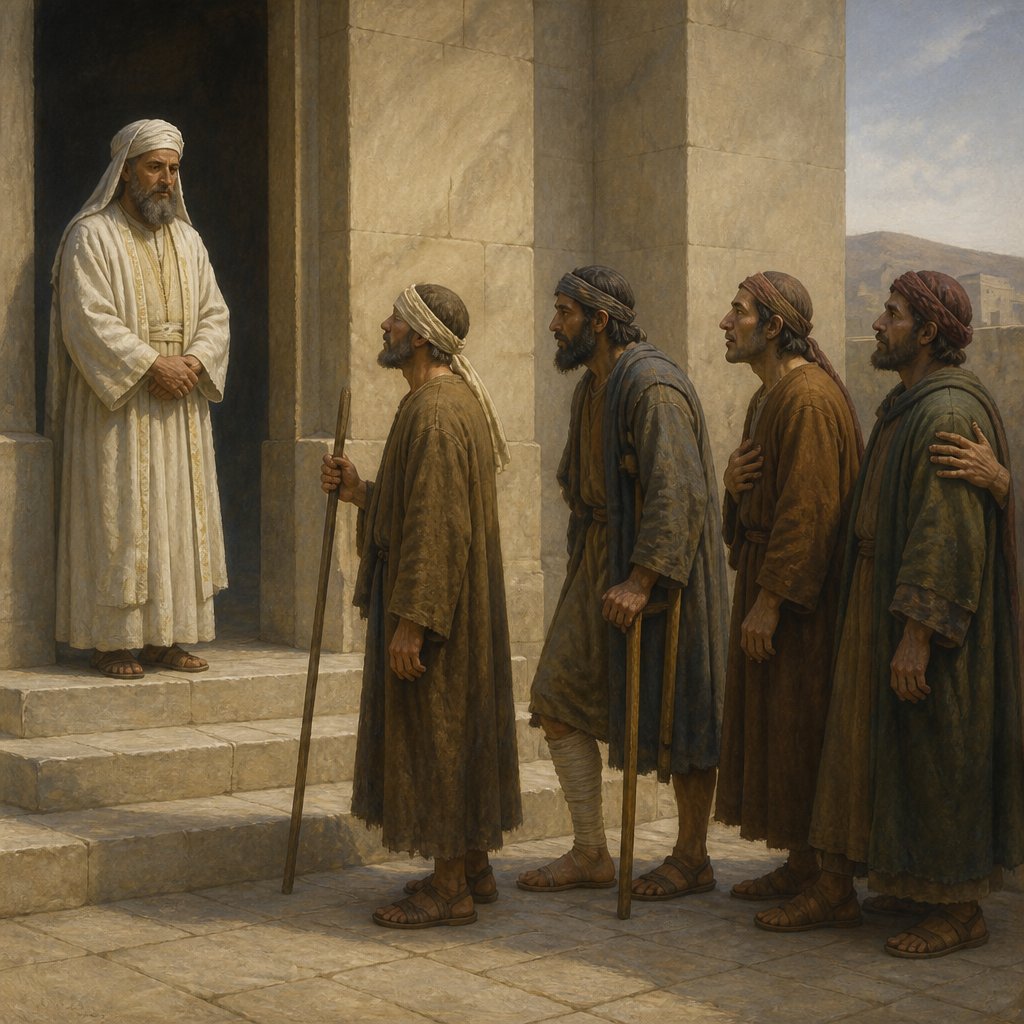
Leviticus 21:18 (KJV) states, "For whatsoever man he be that hath a blemish, he shall not approach: a blind man, or a lame, or he that hath a flat nose, or any thing superfluous." At first glance, this verse, nestled within the ancient laws given to the priests of Israel, can come across as harsh or exclusionary. However, upon deeper reflection, it reveals profound insights about God’s perspective on worth, holiness, and grace.
In Levitical law, physical blemishes disqualified individuals from approaching God in the temple service. This selection was not arbitrary; it was a reflection of God’s holiness and the standards that He set for those who represented Him among the people. The priests were to personify purity and perfection as they performed their sacred duties. The underlying intention was to preserve the sanctity of worshipping a God who is perfect and without blemish.
However, as we delve into the heart of this verse, we must recognize the broader implications of its message. God sees beyond the physical. The concept of even a blemished man not being able to approach serves as a precursor to the radical grace and acceptance found in the New Testament. It emphasizes a theme of separation due to imperfection, echoing the reality of human existence—sinful, flawed, and often broken. As we navigate life, we find ourselves contending with many personal blemishes: insecurities, past failures, and seemingly irredeemable flaws. Yet, these are not the attributes that define our worth in God’s eyes.
The Apostle Paul reminds us in 2 Corinthians 12:9 that God’s grace is sufficient and that His strength is made perfect in our weakness. This reframe is crucial because it indicates that our blemishes, rather than disqualifying us, can become the very avenue through which God’s glory shines. It represents an aspect of a theology that suggests God chooses the weak, the broken, and the fragile to carry His message and His light into the world. Jesus Himself was criticized for associating with those deemed unworthy according to societal and religious standards. He healed the sick, welcomed the outcasts, and offered new beginnings to those society had labeled as blemished.
Understanding Leviticus 21:18 in tandem with New Testament grace allows us to embrace our imperfections. We live in a world that often values people based on their successes or outward appearances. Yet, God calls each of us despite our flaws. Instead of allowing blemishes to dictate our approach to God, we are reminded to come as we are, seeking His restoration and acceptance.
Imagine entering a place of worship, feeling ashamed or unworthy because of your past or your current struggles. Now, consider God's heart through this passage: He sees every wound, every scar, and still invites you to approach Him. This is monumental because it indicates that spiritual disqualification due to our flaws is not the final answer in the narrative God has written for our lives.
While Leviticus establishes boundaries for the priests, it also serves to point us towards the ultimate priest—Jesus Christ—who came to fulfill the law. Through Him, the veil was torn, granting us all access to the Father. He does not view our blemishes as barriers; instead, He transforms them into testimonies of His grace and power. As we reflect on this passage, let us not shun our imperfections but rather embrace them, allowing them to lead us into a deeper relationship with the God who sees and knows us completely.
This week, let’s meditate beyond our flaws. When confronted with feelings of unworthiness, let us remember Leviticus 21:18 in light of the New Covenant. We are not defined by our blemishes; instead, we are anchors of His grace, powerful vessels of His love, and living testimonies of redemption. Let us approach Him boldly, for we find grace in our most vulnerable states, and strength flows from His love.
Want to reflect more on Leviticus 21:18?
Continue your spiritual journey with Bible Chat — an AI-powered tool for exploring God's Word through conversation. Ask questions, discover connections, and deepen your understanding.
Get Our Apps


Leviticus 21:18 Artwork

Leviticus 21:18 - "For whatsoever man he be that hath a blemish, he shall not approach: a blind man, or a lame, or he that hath a flat nose, or any thing superfluous,"
"For whatsoever man he be that hath a blemish, he shall not approach: a blind man, or a lame, or he that hath a flat nose, or any thing superfluous," - Leviticus 21:18

Leviticus 18:21 - "And thou shalt not let any of thy seed pass through the fire to Molech, neither shalt thou profane the name of thy God: I am the LORD."

Leviticus 23:21

Leviticus 23:21

Leviticus 23:21

Leviticus 23:21

Leviticus 23:21

Leviticus 23:21

Leviticus 21:19 - "Or a man that is brokenfooted, or brokenhanded,"

Leviticus 11:18 - "And the swan, and the pelican, and the gier eagle,"

Leviticus 21:16 - "¶ And the LORD spake unto Moses, saying,"

Leviticus 21:13 - "And he shall take a wife in her virginity."

Leviticus 18:1 - "And the LORD spake unto Moses, saying,"

Proverbs 18:21

Proverbs 18:21

Proverbs 18:21

Proverbs 18:21

Leviticus 18:22 - "Thou shalt not lie with mankind, as with womankind: it is abomination."

Proverbs 18:21

Proverbs 18:21

Proverbs 18:21

Proverbs 18:21

Proverbs 18:21
Proverbs 18:21

Proverbs 18:21

Proverbs 18:21

"Or a man that is brokenfooted, or brokenhanded," - Leviticus 21:19

Leviticus 18:18 - "Neither shalt thou take a wife to her sister, to vex her, to uncover her nakedness, beside the other in her life time."

Leviticus 13:18 - "¶ The flesh also, in which, even in the skin thereof, was a boil, and is healed,"