Sacred Spaces: Understanding Our Role in God’s Holiness
“There shall no stranger eat of the holy thing: a sojourner of the priest, or an hired servant, shall not eat of the holy thing.” — Leviticus 22:10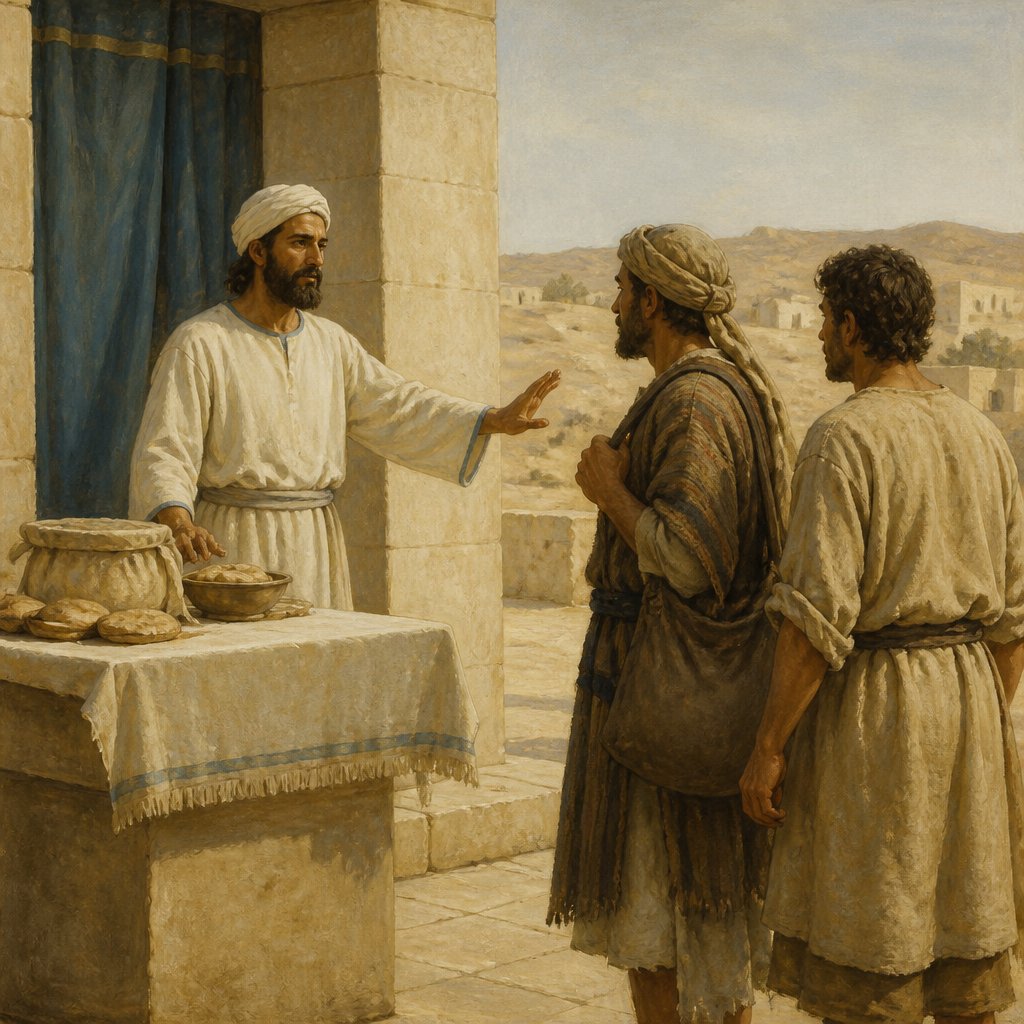
Leviticus 22:10 states, "There shall no stranger eat of the holy thing: a sojourner of the priest, or an hired servant, shall not eat of the holy thing." This verse, nestled within the intricate laws of Leviticus, reveals profound truths about holiness, community, and our relationship with God. Although it speaks specifically about who may partake in offerings designated as holy, its implications stretch far beyond the ancient temple practices, inviting us into a deeper understanding of God’s sacredness today.
**Understanding the Context**
The book of Leviticus is primarily focused on instructions for the priests and the people of Israel regarding their worship and sacrificial practices. The laws outlined were designed to maintain the purity of worship and emphasize the holiness of God. In a culture steeped in ritual and reverence, these ordinances highlighted the separateness of sacred elements from the common. A "stranger," in this context, refers to those outside the covenant community, including foreigners and servants who were not part of the priestly line.
This particular verse establishes boundaries for who may share in the holy offerings. The idea is not one of exclusion for the sake of excluding, but rather a divine ordination that preserves the sanctity of God's presence among His chosen people. The holy things—gifts offered to God—were meant to signify an intimate relationship with Him, a relationship not bound by mere ritual but by understanding and reverence for God’s holiness.
**The Significance of Holiness**
To grasp the gravity of this passage, we must understand what holiness means in the biblical context. Holiness is the distinct characteristic of God; it denotes purity, separation from sin, and absolute moral integrity. God, in His holiness, is set apart from all that is common and unclean. When it comes to what is considered holy, the access is strictly regulated. This serves as a reminder that God desires a community of believers who understand the weight of their relationship with Him.
While we do not have the same sacrificial system today, the principle of holiness continues to apply. As believers, we are called to live lives that reflect the holiness of God. 1 Peter 1:16 echoes this truth by stating, "Because it is written, Be ye holy; for I am holy." Our pursuit of holiness influences our worship, our fellowship, and even our everyday interactions with others.
**A Reflection on Community**
Leviticus 22:10 also indirectly speaks to the nature of community within the church body. In the New Testament, we see a new understanding of what it means to be part of God's family. Galatians 3:28 reminds us that there is neither Jew nor Greek, bond nor free, male nor female; for we are all one in Christ Jesus. This radical inclusion, however, does not negate the call to holiness but rather emphasizes that being part of the community requires a commitment to the standards of God's kingdom.
We must examine our lives: Are we guarding the holiness of God in our personal lives and communities? Are we careful about what we allow into our fellowship and worship? It is crucial to ask ourselves if we are upholding the integrity of God’s sacred things while also welcoming others to taste the goodness of His grace.
**Conclusion**
The prohibition against a "stranger" eating of the holy things serves as a reminder of the weightiness of God’s holiness and the importance of a genuine relationship with Him. As we reflect on this, let us dedicate ourselves to nurturing a vibrant and holy community that honors the nature of our God. May we invite others into this relationship, sharing the good news of Christ, who made a way for all. In doing so, we acknowledge His holiness and extend His grace, living as a testament to His love in a world that desperately needs to know Him.
Get our apps


Artwork for Leviticus 22:10

Leviticus 22:10 - "There shall no stranger eat of the holy thing: a sojourner of the priest, or an hired servant, shall not eat of the holy thing."
"There shall no stranger eat of the holy thing: a sojourner of the priest, or an hired servant, shall not eat of the holy thing." - Leviticus 22:10
Leviticus 11:22

Leviticus 23:15-22

Leviticus 23:17-22

Leviticus 22:17 - "¶ And the LORD spake unto Moses, saying,"

Leviticus 7:22 - "¶ And the LORD spake unto Moses, saying,"

Leviticus 22:1 - "And the LORD spake unto Moses, saying,"

Leviticus 22:26 - "¶ And the LORD spake unto Moses, saying,"

Leviticus 18:22 - "Thou shalt not lie with mankind, as with womankind: it is abomination."

Leviticus 10:10 - "And that ye may put difference between holy and unholy, and between unclean and clean;"

Leviticus 20:22-26 simple picture

Picture to summarize Leviticus 20:22-26

leviticus 16:7-10

Leviticus 22:20 - "But whatsoever hath a blemish, that shall ye not offer: for it shall not be acceptable for you."

Leviticus 10:20 - "And when Moses heard that, he was content."
Leviticus 10:8 - "¶ And the LORD spake unto Aaron, saying,"

Leviticus 13:22 - "And if it spread much abroad in the skin, then the priest shall pronounce him unclean: it is a plague."

Leviticus 21:22 - "He shall eat the bread of his God, both of the most holy, and of the holy."

Leviticus 22:33 - "That brought you out of the land of Egypt, to be your God: I am the LORD."

Leviticus 22:29 - "And when ye will offer a sacrifice of thanksgiving unto the LORD, offer it at your own will."

Leviticus 22:15 - "And they shall not profane the holy things of the children of Israel, which they offer unto the LORD;"

Leviticus 22:22 - "Blind, or broken, or maimed, or having a wen, or scurvy, or scabbed, ye shall not offer these unto the LORD, nor make an offering by fire of them upon the altar unto the LORD."

Leviticus 22:19 - "Ye shall offer at your own will a male without blemish, of the beeves, of the sheep, or of the goats."

Leviticus 22:31 - "Therefore shall ye keep my commandments, and do them: I am the LORD."

Leviticus 22:28 - "And whether it be cow or ewe, ye shall not kill it and her young both in one day."

"¶ And the LORD spake unto Moses, saying," - Leviticus 7:22

"¶ And the LORD spake unto Moses, saying," - Leviticus 22:17
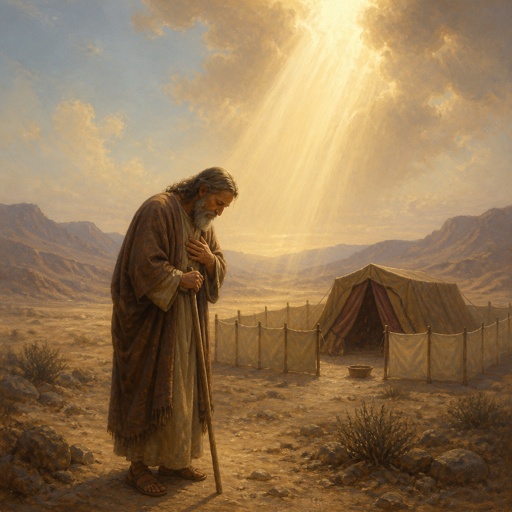
"¶ And the LORD spake unto Moses, saying," - Leviticus 22:26
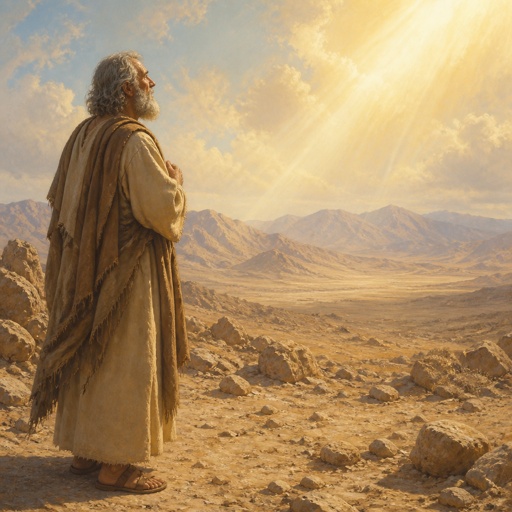
"And the LORD spake unto Moses, saying," - Leviticus 22:1