Sanctified Through Sacrifice: Understanding Leviticus 22:16
“Or suffer them to bear the iniquity of trespass, when they eat their holy things: for I the LORD do sanctify them.” — Leviticus 22:16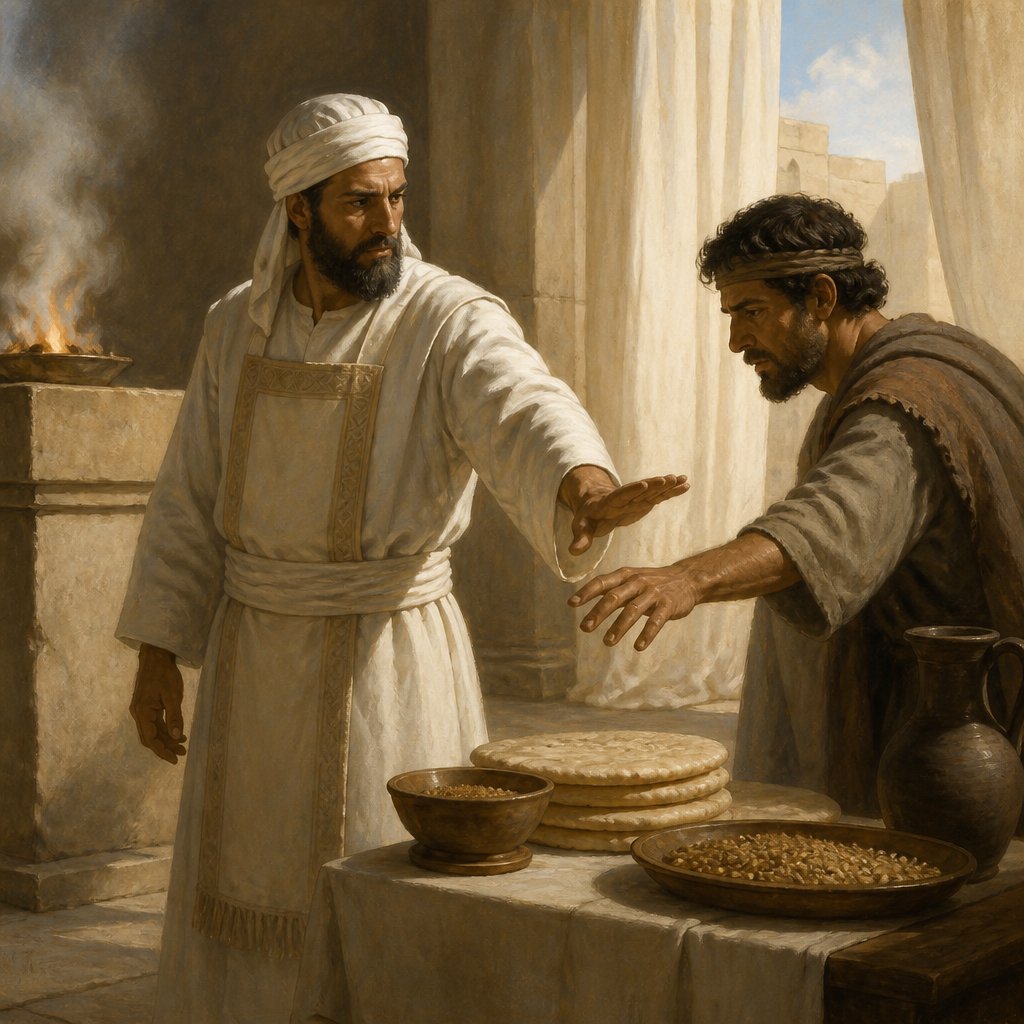
Leviticus 22:16 (KJV) states, "Or suffer them to bear the iniquity of trespass, when they eat their holy things: for I the LORD do sanctify them." This verse is embedded in the broader context of the laws governing the Levitical priesthood, which speaks to the very heart of holiness, sanctity, and the seriousness with which God views our relationship with Him and with one another.
To grasp the significance of this passage, it is essential first to appreciate the sacred status of the priesthood in biblical times. The Levites were set apart from the rest of Israel to serve as mediators between God and His people. Their sacred duties involved partaking in and offering sacrifices. Eating from the holy things—those offerings dedicated to God—was both a privilege and a grave responsibility. In this context, God establishes parameters ensuring that no one, including the priests, missteps in their relationship with Him, as this could lead to bearing iniquity—essentially, the consequences of sin.
The phrase "suffer them to bear the iniquity of trespass" can be a source of contemplation. It suggests the gravity of what it means to partake in sacred offerings when one is not rightly prepared or in the right state of heart. The Holy things were not merely food for sustenance; they represented communion and commitment to God. When the priests (or anyone, by extension) partook without due reverence and awareness, they risked inviting judgment upon themselves.
Through this divine edict of God, there is a profound reminder of the sanctity inherent in our worship and actions. When we engage with holy things—whether it be in prayer, worship, or service—we do so under the watchful eye of a God who cares deeply about our motivations and sincerity. Our sins and failures can reverberate outwards, impacting not only our relationship with God but also how we relate with others within our faith community. This can lead to a collective burden of iniquity unless we approach God in humility, recognizing our need for forgiveness and alignment with His will.
"For I the LORD do sanctify them" underscores the assurance of God’s power and willingness to sanctify His people. Sanctification is not merely about being set apart; it involves a transformation of the heart and mind through divine intervention. It invites us to acknowledge that it is God who initiates the process of making us holy. This is an extraordinary truth: despite our failures, God desires to work in us and through us, facilitating a renewed life that can reflect His glory.
In New Testament theology, this principle resonates strongly with the message of Christ. In 1 Peter 2:9, believers are called a "chosen generation, a royal priesthood, an holy nation." We are invited to partake of the sacredness of our relationship with God, not because of our inherent merit, but because of Christ’s sacrifice, which makes us righteous before Him. Just as the priests had to approach the holy things with respect and purity, we, too, must examine our hearts as we come before God’s presence.
The act of eating the holy things symbolizes participation in the divine. It reminds us that our relationship with God is not just about individual piety but also about communal fellowship. As we gather as the body of Christ, we must ensure that we uphold the sanctity of our interactions, guarding one another against iniquity and encouraging hearts that are pure.
In conclusion, let us reflect on how we engage with the holy—whether in worship, community, or our daily lives. Do we come before God with reverence, recognizing the seriousness of our sins and our need for sanctification? Are we actively pursuing a life that reflects the holiness He calls us to? As we consider these questions, let us be encouraged by the promise that God not only invites us into His holiness but actively works to sanctify us. May our lives reflect a continual response to His call, embracing the sacred and bearing witness to His grace.
Get our apps


Artwork for Leviticus 22:16

Leviticus 22:16 - "Or suffer them to bear the iniquity of trespass, when they eat their holy things: for I the LORD do sanctify them."
"Or suffer them to bear the iniquity of trespass, when they eat their holy things: for I the LORD do sanctify them." - Leviticus 22:16

Leviticus 16:22 - "And the goat shall bear upon him all their iniquities unto a land not inhabited: and he shall let go the goat in the wilderness."
Leviticus 11:22

Leviticus 16:8

Leviticus 23:15-22

Leviticus 23:17-22

Leviticus 22:17 - "¶ And the LORD spake unto Moses, saying,"

Leviticus 7:22 - "¶ And the LORD spake unto Moses, saying,"

Leviticus 22:1 - "And the LORD spake unto Moses, saying,"

Leviticus 22:26 - "¶ And the LORD spake unto Moses, saying,"
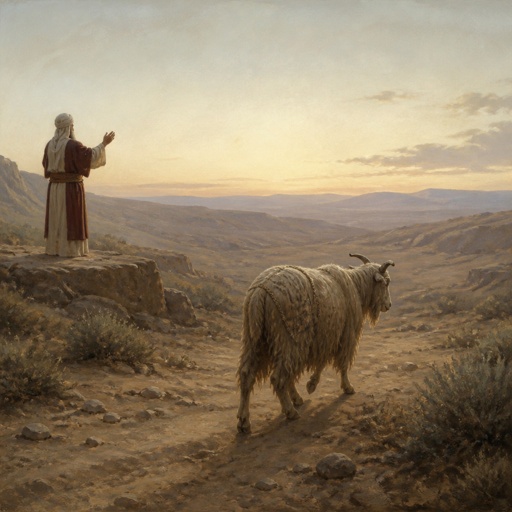
"And the goat shall bear upon him all their iniquities unto a land not inhabited: and he shall let go the goat in the wilderness." - Leviticus 16:22

leviticus 16:7-10

Leviticus 18:22 - "Thou shalt not lie with mankind, as with womankind: it is abomination."

Leviticus 21:16 - "¶ And the LORD spake unto Moses, saying,"

Leviticus 20:22-26 simple picture

Picture to summarize Leviticus 20:22-26

Leviticus 22:20 - "But whatsoever hath a blemish, that shall ye not offer: for it shall not be acceptable for you."

Leviticus 9:16 - "And he brought the burnt offering, and offered it according to the manner."

Leviticus 13:22 - "And if it spread much abroad in the skin, then the priest shall pronounce him unclean: it is a plague."

Leviticus 21:22 - "He shall eat the bread of his God, both of the most holy, and of the holy."

Leviticus 22:33 - "That brought you out of the land of Egypt, to be your God: I am the LORD."

Leviticus 22:29 - "And when ye will offer a sacrifice of thanksgiving unto the LORD, offer it at your own will."

Leviticus 22:15 - "And they shall not profane the holy things of the children of Israel, which they offer unto the LORD;"

Leviticus 4:16 - "And the priest that is anointed shall bring of the bullock's blood to the tabernacle of the congregation:"

Leviticus 11:16 - "And the owl, and the night hawk, and the cuckow, and the hawk after his kind,"

Leviticus 16:25 - "And the fat of the sin offering shall he burn upon the altar."

Leviticus 22:22 - "Blind, or broken, or maimed, or having a wen, or scurvy, or scabbed, ye shall not offer these unto the LORD, nor make an offering by fire of them upon the altar unto the LORD."

Leviticus 22:19 - "Ye shall offer at your own will a male without blemish, of the beeves, of the sheep, or of the goats."

Leviticus 22:31 - "Therefore shall ye keep my commandments, and do them: I am the LORD."