Defining Cleanliness: A Sacred Journey
“Or whosoever toucheth any creeping thing, whereby he may be made unclean, or a man of whom he may take uncleanness, whatsoever uncleanness he hath;” — Leviticus 22:5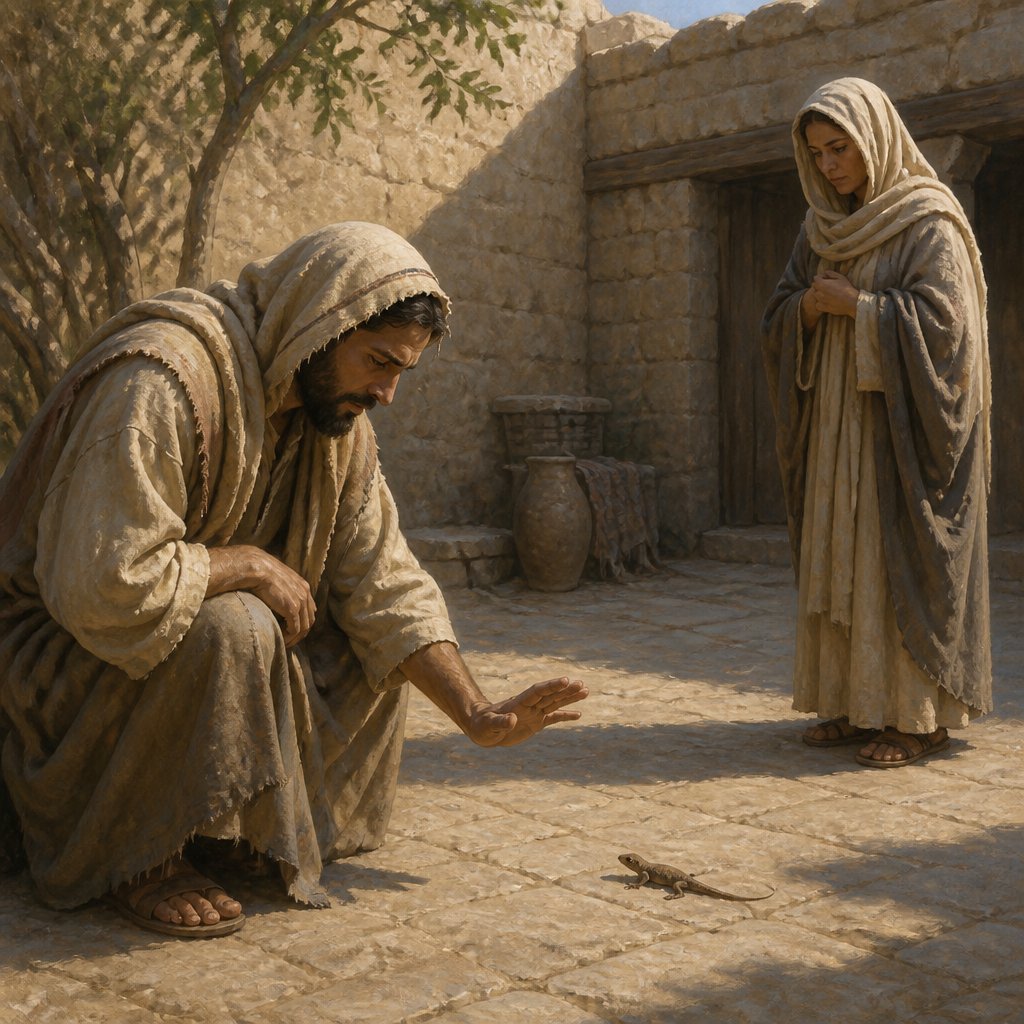
In Leviticus 22:5, we read, "Or whosoever toucheth any creeping thing, whereby he may be made unclean, or a man of whom he may take uncleanness, whatsoever uncleanness he hath." This verse, though seemingly simple, invites us into a profound exploration of the concepts of cleanliness and holiness, both in ancient Israelite culture and in our contemporary Christian walk.
The Book of Leviticus frequently addresses the vital theme of holiness, particularly in relation to the priestly duties. The Israelites received specific instructions on maintaining ceremonial cleanliness as a precursor to approaching God. Being unclean was not merely about physical hygiene, but emblematic of a deeper spiritual reality. In essence, it symbolizes the barriers that can hinder our relationship with the Divine.
In the biblical context, touching a "creeping thing" or a person deemed unclean had real implications; it rendered one ritually impure for a designated time. This provided an important reminder of the need for careful living in accordance with God’s standards. The intricate laws of cleanliness underscore the seriousness with which God viewed sin and impurity, as well as the intensity of His desire for a pure and holy people. God’s people were to reflect His holiness in their conduct, behaviors, and interactions.
In our spiritual lives today, being "unclean" may manifest in various forms, not limited to physical contagion but extending to sin, unhealthy relationships, and moral compromise. Just as Old Testament Israelites were called to refrain from contact with the things that made them unclean, we are also invited to break free from the influences and behaviors that keep us from drawing near to God. Each creeping thing that we metaphorically touch has the potential to lead us away from God’s presence and purposes.
In this light, we consider how we interact with the world around us. The things we expose ourselves to—media, conversations, environments—can either uplift or hinder our relationship with God. When we expose ourselves to negativity or pervasive sin, we risk becoming spiritually unclean, affecting our ability to serve effectively within the church and in the world.
Interestingly, the New Testament teaches us that Jesus came to fulfill the law and offer us a new perspective on cleanliness. In Mark 7:15, He insists, "There is nothing from without a man, that entering into him can defile him: but the things which come out of him, those are they that defile the man." Through His love and sacrifice, we have access to unprecedented grace; nevertheless, that grace does not negate the wisdom of guarding our hearts. As Proverbs 4:23 advises, "Keep thy heart with all diligence; for out of it are the issues of life."
As we reflect on this verse from Leviticus, it becomes apparent that the concept of uncleanness serves as a pertinent reminder that the road to spiritual maturity requires active participation on our part. We must commit to an intentional examination of the influences in our lives and remain steadfast in pursuing holiness.
The essence of being unclean is fundamentally tied to our understanding of God’s expectations for a holy life. Holiness is not simply an absence of sin but an active pursuit of righteousness. It's about a heart that yearns to be set apart for God's purposes.
In conclusion, as we journey through our faith, let us not merely navigate our lives in routine. Instead, allow the Spirit to illuminate those areas of our lives that are hindering our relationship with God. Let us embrace the transformative power of Christ, who not only cleanses our hearts but also empowers us to live in a way that reflects His glory. May we cultivate a spirit of holiness that desires to be free from the creeping uncleanness of this world, striving always to touch and be touched by the divine.
Get our apps


Artwork for Leviticus 22:5
Leviticus 22:5 - "Or whosoever toucheth any creeping thing, whereby he may be made unclean, or a man of whom he may take uncleanness, whatsoever uncleanness he hath;"
"Or whosoever toucheth any creeping thing, whereby he may be made unclean, or a man of whom he may take uncleanness, whatsoever uncleanness he hath;" - Leviticus 22:5
Leviticus 11:22

Leviticus 23:15-22

Leviticus 23:17-22

Leviticus 22:17 - "¶ And the LORD spake unto Moses, saying,"

Leviticus 7:22 - "¶ And the LORD spake unto Moses, saying,"

Leviticus 22:1 - "And the LORD spake unto Moses, saying,"

Leviticus 22:26 - "¶ And the LORD spake unto Moses, saying,"

Leviticus 18:22 - "Thou shalt not lie with mankind, as with womankind: it is abomination."

Leviticus 20:22-26 simple picture

Picture to summarize Leviticus 20:22-26

Leviticus 22:20 - "But whatsoever hath a blemish, that shall ye not offer: for it shall not be acceptable for you."

Leviticus 13:22 - "And if it spread much abroad in the skin, then the priest shall pronounce him unclean: it is a plague."

Leviticus 21:22 - "He shall eat the bread of his God, both of the most holy, and of the holy."

Leviticus 22:33 - "That brought you out of the land of Egypt, to be your God: I am the LORD."

Leviticus 22:29 - "And when ye will offer a sacrifice of thanksgiving unto the LORD, offer it at your own will."

Leviticus 22:15 - "And they shall not profane the holy things of the children of Israel, which they offer unto the LORD;"
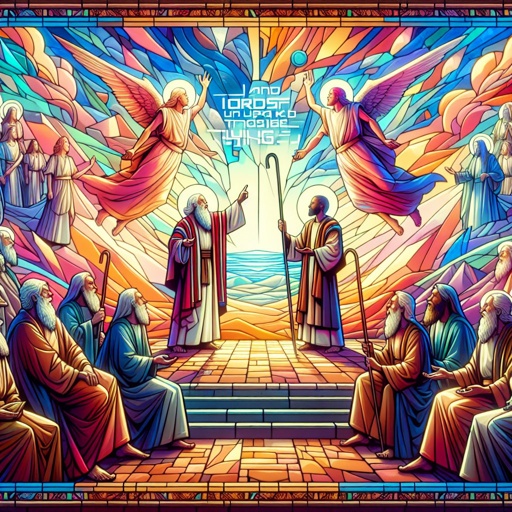
Leviticus 5:14 - "¶ And the LORD spake unto Moses, saying,"

Leviticus 22:22 - "Blind, or broken, or maimed, or having a wen, or scurvy, or scabbed, ye shall not offer these unto the LORD, nor make an offering by fire of them upon the altar unto the LORD."

Leviticus 22:19 - "Ye shall offer at your own will a male without blemish, of the beeves, of the sheep, or of the goats."

Leviticus 22:31 - "Therefore shall ye keep my commandments, and do them: I am the LORD."

Leviticus 22:28 - "And whether it be cow or ewe, ye shall not kill it and her young both in one day."

Leviticus 5:5 - "And it shall be, when he shall be guilty in one of these things, that he shall confess that he hath sinned in that thing:"

"¶ And the LORD spake unto Moses, saying," - Leviticus 7:22

Leviticus 22:12 - "If the priest's daughter also be married unto a stranger, she may not eat of an offering of the holy things."

"¶ And the LORD spake unto Moses, saying," - Leviticus 22:17
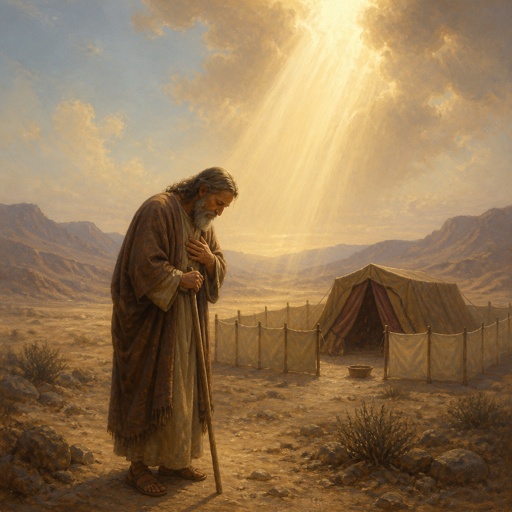
"¶ And the LORD spake unto Moses, saying," - Leviticus 22:26

"And the LORD spake unto Moses, saying," - Leviticus 22:1

Leviticus 23:5 - "In the fourteenth day of the first month at even is the LORD'S passover."