The Firstfruits of Our Labor: Honoring God with Our Harvest
"Speak unto the children of Israel, and say unto them, When ye be come into the land which I give unto you, and shall reap the harvest thereof, then ye shall bring a sheaf of the firstfruits of your harvest unto the priest:" - Leviticus 23:10
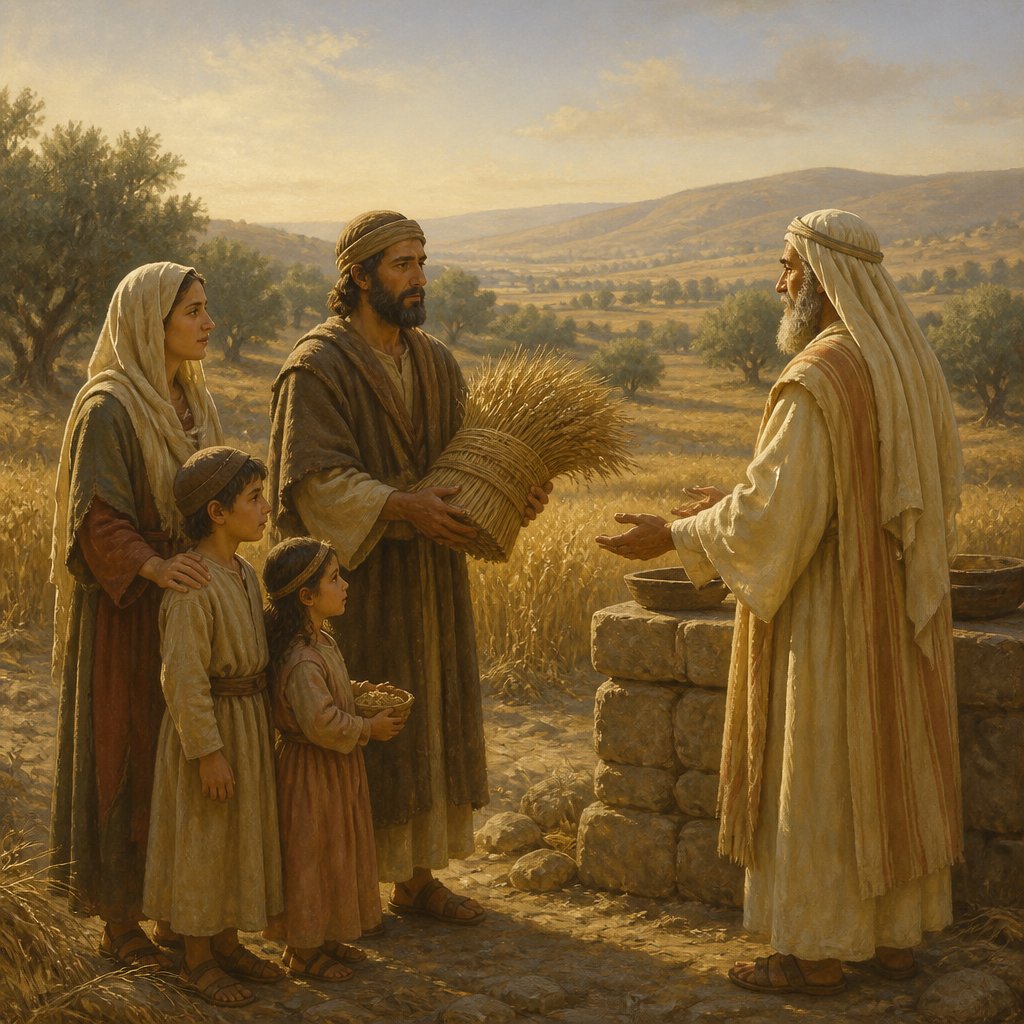
Leviticus 23:10 states, "Speak unto the children of Israel, and say unto them, When ye be come into the land which I give unto you, and shall reap the harvest thereof, then ye shall bring a sheaf of the firstfruits of your harvest unto the priest." This poignant verse serves as a reminder not only of God's promises but also of the principle of firstfruits which is intimately connected with worship and gratitude.
To understand the significance of this command, we must delve into the context of the Israelites at the time. They were on the brink of entering the Promised Land, a long-awaited fulfillment of God’s covenant. After years of wandering in the desert, they were about to reap the rewards of their labor in a land flowing with milk and honey. It was a pivotal moment that demanded proper acknowledgment of God's providence.
The instruction to offer the firstfruits reflects God's desire for His people to recognize Him as the source of their blessing. The act of bringing the first sheaf of their harvest to the priest was not merely about agriculture; it was a tangible expression of faith, gratitude, and acknowledgment of God's sovereignty. It was an offering that symbolized putting God first in all they had.
Similarly, our lives today are filled with various 'harvests'—be it our work, finances, relationships, or talents. When we acknowledge our accomplishments or enjoy the fruits of our labor, how often do we first recognize the hand of God in those areas? Are we quick to share our successes with Him, or do we tend to reserve our worship and gratitude until we feel we have enough to spare?
The act of dedicating the firstfruits was intended to cultivate a culture of gratitude among the Israelites, a reminder that everything they had came from God. In their harvesting season, when everything was lush and plentiful, the firstfruits served as a visible token that God should receive the best and the first of what they had—a principle that resounds in our contemporary worship.
In modern terms, what does it look like to give our firstfruits? It means prioritizing God in our lives—in our finances, time, and resources. When we receive a paycheck, do we first honor God with a portion, signifying our trust in His provision? When we engage in our daily tasks, do we bring our first and best effort, dedicating our work as a representation of worship? Just as the Israelites had to consciously bring that sheaf of barley to the priest, we too are called to present our best before God, recognizing that He is the giver of all good things.
This practice of giving firstfruits can transform our perspective entirely. When we give God our first and best, we recognize that our worth and identity are rooted in Him, not in our achievements or possessions. It's an act of trust, a declaration that we believe He is more than enough for us that we are willing to honor Him with our very best.
Moreover, this principle can help us reap greater spiritual harvests. Just as the firstfruits represented the promise of a greater harvest to come, our faithfulness in honoring God with our first can open doors for more blessings than we can imagine. It aligns our hearts with His purposes and fosters an attitude of stewardship rather than ownership. We become willing vessels through whom God can radiate His goodness.
As we meditate on Leviticus 23:10, let us commit to cultivating a habit of honoring God with our firstfruits. Let each sheaf we bring forth be a declaration of our love, trust, and gratitude—a testament to the knowledge that as we honor Him, He honors us in return. We may not be bringing sheaves of barley, but our acts of dedication and worship are a fragrant offering, pleasing to Him.
Want to reflect more on Leviticus 23:10?
Continue your spiritual journey with Bible Chat — an AI-powered tool for exploring God's Word through conversation. Ask questions, discover connections, and deepen your understanding.
Get Our Apps


Leviticus 23:10 Artwork
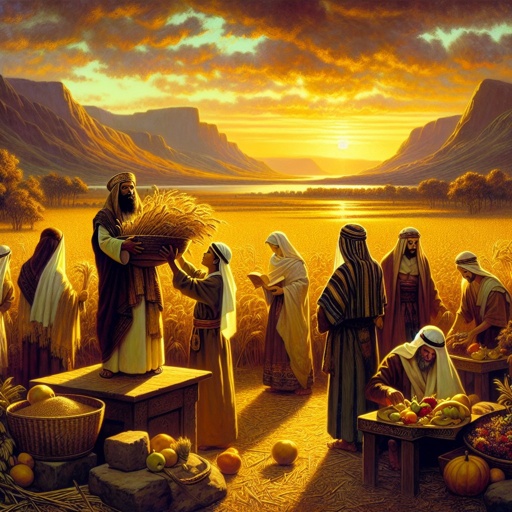
Leviticus 23:10 - "Speak unto the children of Israel, and say unto them, When ye be come into the land which I give unto you, and shall reap the harvest thereof, then ye shall bring a sheaf of the firstfruits of your harvest unto the priest:"
"Speak unto the children of Israel, and say unto them, When ye be come into the land which I give unto you, and shall reap the harvest thereof, then ye shall bring a sheaf of the firstfruits of your harvest unto the priest:" - Leviticus 23:10

Leviticus 23:23 - "¶ And the LORD spake unto Moses, saying,"

Leviticus 23:21

Leviticus 23:21

Leviticus 23:21

Leviticus 23:21

Leviticus 23:21

Leviticus 23:20

Leviticus 23:21

Leviticus 23:15-22

Leviticus 23:17-22

Leviticus 24:20-23

"¶ And the LORD spake unto Moses, saying," - Leviticus 23:23

Leviticus 23:9 - "¶ And the LORD spake unto Moses, saying,"

Leviticus 23:26 - "¶ And the LORD spake unto Moses, saying,"

Leviticus 23:1 - "And the LORD spake unto Moses, saying,"

Leviticus 23:33 - "¶ And the LORD spake unto Moses, saying,"

Leviticus 23:5 - "In the fourteenth day of the first month at even is the LORD'S passover."

Leviticus 23:44 - "And Moses declared unto the children of Israel the feasts of the LORD."

Leviticus 26:23 - "And if ye will not be reformed by me by these things, but will walk contrary unto me;"

Leviticus 10:10 - "And that ye may put difference between holy and unholy, and between unclean and clean;"

the jewish holidays mentioned in leviticus 23:1 until 23:40 combined in one picture,

leviticus 16:7-10

Leviticus 6:23 - "For every meat offering for the priest shall be wholly burnt: it shall not be eaten."

Leviticus 23:4 - "¶ These are the feasts of the LORD, even holy convocations, which ye shall proclaim in their seasons."

Leviticus 25:23 - "¶ The land shall not be sold for ever: for the land is mine; for ye are strangers and sojourners with me."

Leviticus 10:20 - "And when Moses heard that, he was content."
Leviticus 10:8 - "¶ And the LORD spake unto Aaron, saying,"

Leviticus 23:35 - "On the first day shall be an holy convocation: ye shall do no servile work therein."