The Waving of the Sheaf: Embracing Acceptance Before the Lord
“And he shall wave the sheaf before the LORD, to be accepted for you: on the morrow after the sabbath the priest shall wave it.” — Leviticus 23:11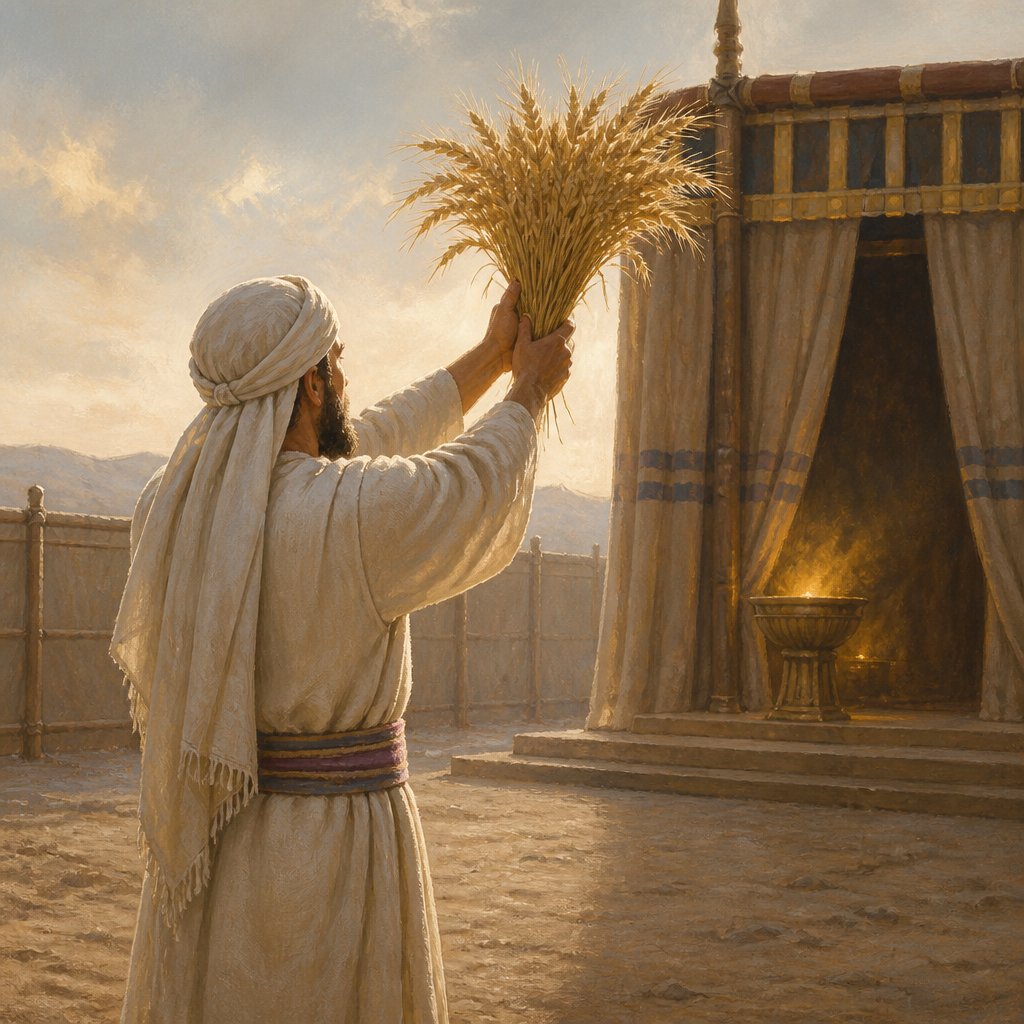
In Leviticus 23:11, we find a peculiar ritual that God commanded Moses to instruct the Israelites: "And he shall wave the sheaf before the LORD, to be accepted for you: on the morrow after the sabbath the priest shall wave it" (KJV). This verse encapsulates the essence of thanksgiving and acceptance, serving as a powerful reminder of our relationship with God and the way we approach Him in worship and gratitude.
### The Context of the Sheaf Offering
To fully grasp the significance of this passage, we must first understand the agricultural context. The Israelites were an agrarian society; their livelihood depended heavily on the harvest. The sheaf being waved represented the first fruits of their crops, a tangible sign of God's provision. By bringing the first sheaf of their harvest, the people were not just giving back to God but also expressing their dependence on Him for sustenance.
### The Act of Waving: A Symbol of Acceptance
The act of the priest waving the sheaf before the Lord was fraught with meaning. It was a ceremonial acknowledgment that everything they received came from God. The waving symbolized their heart’s intention to seek God's favor and acceptance, underscoring that true acceptance begins with an offering. Just as God had graciously given them the harvest, they were now offering the best back to Him. This ritual invites us to reflect on our own offerings and dedication to God.
### The Timing: After the Sabbath
The instruction specifies that this ritual was to take place on "the morrow after the sabbath." This timing is crucial. The Sabbath, a day of rest and worship, symbolizes a period of reflection and communion with God. By waiting until after the Sabbath, the Israelites were reminded that true acceptance by God often comes after a time of rest in Him. It teaches us about the interplay between divine rest and human effort. In our own lives, we often rush to present our gifts and talents to God, but there is beauty in pausing to rest and seek His presence before we make our offerings. It reminds us that our productivity should be rooted firmly in God’s sustenance and grace.
### A Call to Present Our Lives
This ritual of the sheaf being waved resonates with us today as well. In Romans 12:1, Paul calls us to "present your bodies a living sacrifice, holy, acceptable unto God, which is your reasonable service." Just as the sheaf was waved to signify acceptance, we, too, are called to present ourselves before the Lord daily. Are we, like the Israelites, offering the best of our harvest to God? Or are we content to give Him the leftovers of our time, talents, and resources?
### Receiving God’s Acceptance
The promise embedded in this verse is powerful: the sheaf was to be waved "to be accepted for you." Acceptance is a deeply human need, and here God assures His people that their offerings are received and accepted. This assurance forms the foundation of our relationship with Him. No matter our past, no matter our failures, through Jesus Christ, we can come before Him with confidence, knowing that He has already accepted us. We are reminded of Ephesians 1:6, which says, "To the praise of the glory of his grace, wherein he hath made us accepted in the beloved."
### Conclusion: Worship in Acceptance
As we meditate on Leviticus 23:11, let it beckon us to a deeper understanding of our worship and our offerings. We are called not just to present our gifts mechanically but to engage our hearts in gratitude, recognizing the source of our blessings. The waving of the sheaf before the Lord serves as a beautiful reminder that everything we have is a gift from His hand. In this act, we find acceptance and a call to live lives that reflect our gratitude towards Him.
Let us cultivate the posture of thanksgiving in our lives as we come before the Lord, presenting our sheaves—a symbol of our works, our praise, our very selves—trusting in His acceptance and grace.
Get our apps


Artwork for Leviticus 23:11

Leviticus 23:11 - "And he shall wave the sheaf before the LORD, to be accepted for you: on the morrow after the sabbath the priest shall wave it."
"And he shall wave the sheaf before the LORD, to be accepted for you: on the morrow after the sabbath the priest shall wave it." - Leviticus 23:11

Leviticus 11:23 - "But all other flying creeping things, which have four feet, shall be an abomination unto you."

Leviticus 23:21

Leviticus 23:21

Leviticus 23:23 - "¶ And the LORD spake unto Moses, saying,"

Leviticus 23:21

Leviticus 23:21

Leviticus 23:21

Leviticus 23:20

Leviticus 23:21

Leviticus 23:15-22

Leviticus 23:17-22
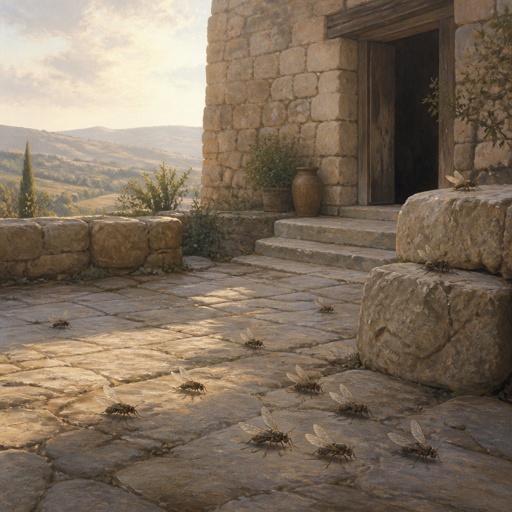
"But all other flying creeping things, which have four feet, shall be an abomination unto you." - Leviticus 11:23

Leviticus 24:20-23

"¶ And the LORD spake unto Moses, saying," - Leviticus 23:23

Leviticus 23:26 - "¶ And the LORD spake unto Moses, saying,"

Leviticus 23:1 - "And the LORD spake unto Moses, saying,"

Leviticus 23:33 - "¶ And the LORD spake unto Moses, saying,"

Leviticus 23:9 - "¶ And the LORD spake unto Moses, saying,"
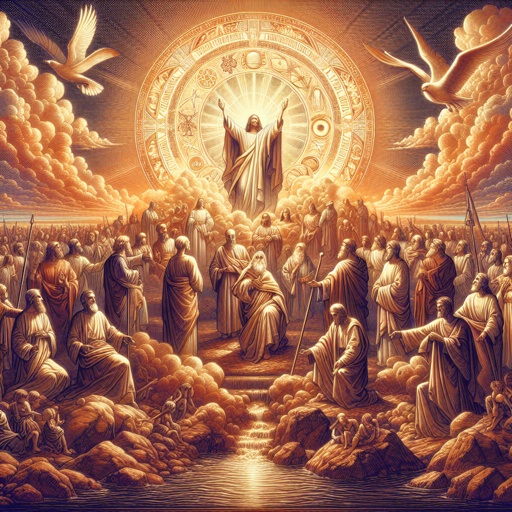
Leviticus 11:22

Leviticus 23:5 - "In the fourteenth day of the first month at even is the LORD'S passover."

Leviticus 23:44 - "And Moses declared unto the children of Israel the feasts of the LORD."

Leviticus 26:23 - "And if ye will not be reformed by me by these things, but will walk contrary unto me;"
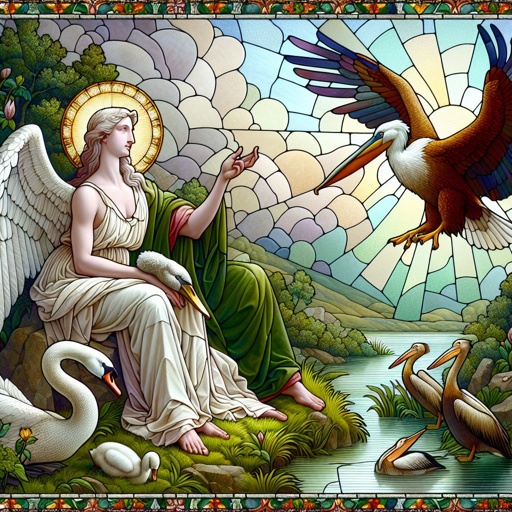
Leviticus 11:18 - "And the swan, and the pelican, and the gier eagle,"

the jewish holidays mentioned in leviticus 23:1 until 23:40 combined in one picture,

Leviticus 6:23 - "For every meat offering for the priest shall be wholly burnt: it shall not be eaten."

Leviticus 11:17 - "And the little owl, and the cormorant, and the great owl,"

Leviticus 11:14 - "And the vulture, and the kite after his kind;"

Leviticus 11:15 - "Every raven after his kind;"