The Divine Invitation to Peace and Atonement
“Then ye shall sacrifice one kid of the goats for a sin offering, and two lambs of the first year for a sacrifice of peace offerings.” — Leviticus 23:19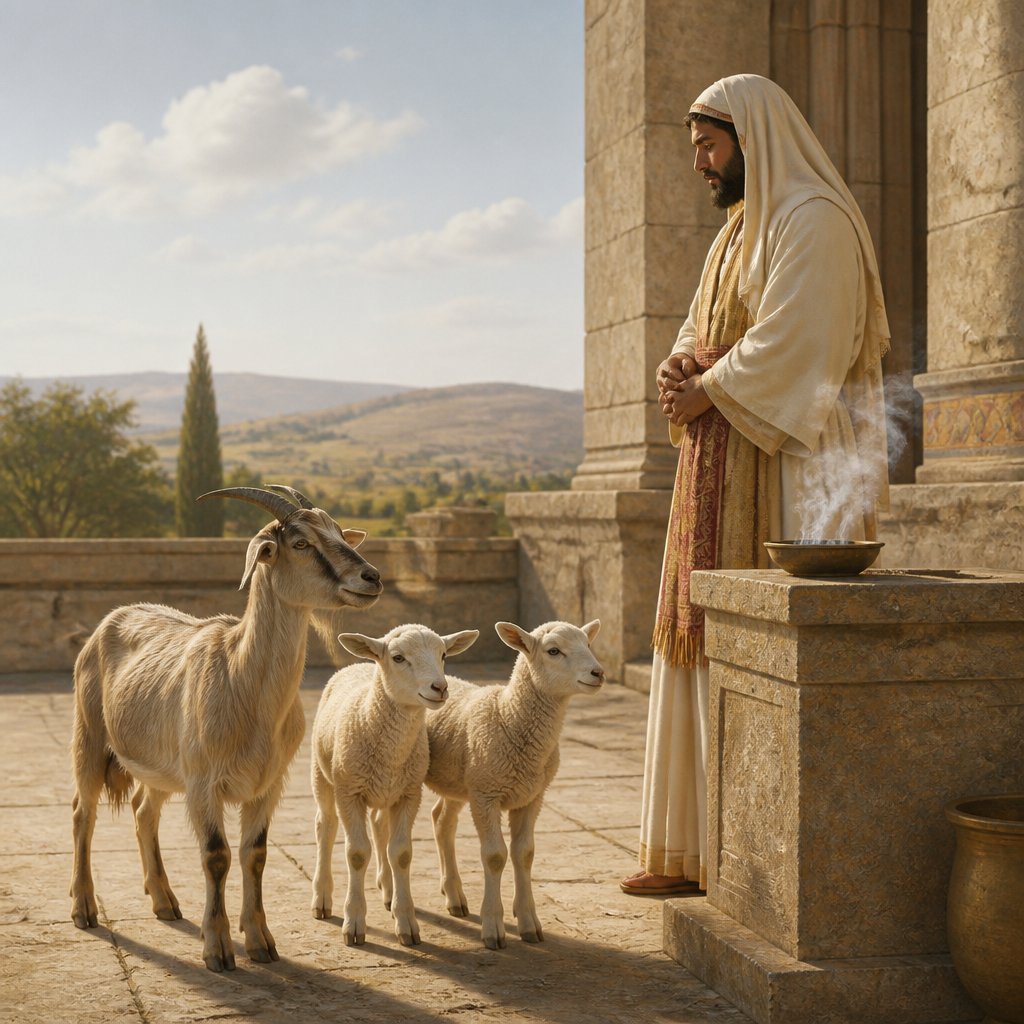
The book of Leviticus may seem remote to our modern sensibilities, filled with intricate laws, rituals, and guidelines for worship. Yet, within these ancient directives lies timeless wisdom from God about sin, reconciliation, and peace that transcends the ages—especially in Leviticus 23:19, which states: "Then ye shall sacrifice one kid of the goats for a sin offering, and two lambs of the first year for a sacrifice of peace offerings."
At first glance, this verse might seem like a simple prescription for sacrifice, but when unpacked, it reveals a profound invitation to understand the heart of God concerning our relationship with Him. The act of sacrificing a goat for a sin offering signifies the seriousness of sin and its consequences. The goat represents the burden of sin being placed upon an innocent lamb, reminding us of the weight that sin carries in our lives. In the worldview of Leviticus, sin disrupts our communion with the Holy One. As we reflect on this, we recognize our own shortcomings and how they corrupt our relationship with God.
Sin does not merely affect our standing before God; it alters our capacity to experience the fullness of peace He intended for us. God does not take sin lightly, and neither should we. In the same way, understanding and acknowledging our sinfulness can lead us to the kind of humility necessary for genuine repentance. This is mirrored in the way the Israelites sought restoration through defined rituals in the temple. Their sins, represented by the goats and lambs, were not just a requirement but a means by which they could visually and physically grapple with their need for atonement.
The second part of our verse speaks to the use of the lambs as peace offerings. It is essential to see that these offerings were not merely compensatory but also relational. They were an invitation to fellowship and communion with God. The peace offering was a way for the people to express their gratitude and desire to live in harmony with Him. In the bringing forth of the two lambs, there is a message of the restoration that follows acknowledgment and atonement. It is a holistic approach to worship that includes confessing our sins (through the goat) and celebrating reconciliation and relationship (through the lambs).
In times of turmoil or spiritual drought, we must remember that God’s invitation is ever-present. The act of bringing sacrifices can be paralleled with our modern-day confessions, where we come before God with our burdens and our transgressions, laying them down at the foot of the cross. In our own lives, what does it look like to present our 'goats' and our 'lambs'? Perhaps it is in the moment of prayer where we surrender our failures to Him and receive His healing touch. It could also be in moments of worship when we celebrate His goodness and deliverance, reminding us of what He has done to reconcile us back to Himself.
In the light of Christ, these sacrifices find their ultimate fulfillment. Jesus, the Lamb of God, was slain for our sins, emboldening us to approach God with assurance. As we immerse ourselves in this transformation, let’s hold onto the truth that every sin we confess leads us back to a place of peace. The sacrifices of Leviticus may no longer apply as they did then, but the principles of repentance and gratitude very much do. In our daily walk, we must seek to acknowledge and forsake our sins while celebrating the relationships reconciled and peace restored.
So, as we meditate on Leviticus 23:19, let us remember that we are invited into a divine rhythm of recognizing our shortcomings, experiencing repentance, and celebrating the reconciliation that God has made possible. May we approach our Holy God with humility, laying down our 'goats' and 'lambs' in surrender and praise, and thus walk in the peace that surpasses all understanding.
Get our apps


Artwork for Leviticus 23:19

Leviticus 23:19 - "Then ye shall sacrifice one kid of the goats for a sin offering, and two lambs of the first year for a sacrifice of peace offerings."
"Then ye shall sacrifice one kid of the goats for a sin offering, and two lambs of the first year for a sacrifice of peace offerings." - Leviticus 23:19
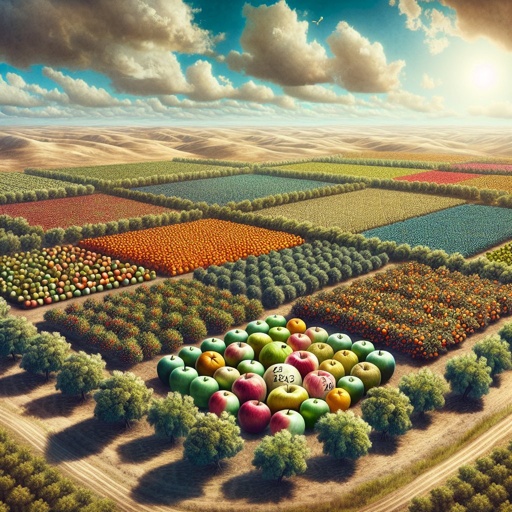
Leviticus 19:23 - "¶ And when ye shall come into the land, and shall have planted all manner of trees for food, then ye shall count the fruit thereof as uncircumcised: three years shall it be as uncircumcised unto you: it shall not be eaten of."

Leviticus 23:23 - "¶ And the LORD spake unto Moses, saying,"

Leviticus 23:21

Leviticus 23:21

Leviticus 23:21

Leviticus 23:21

Leviticus 23:21

Leviticus 23:20

Leviticus 23:21

Leviticus 23:15-22

Leviticus 23:17-22

Leviticus 24:20-23

"¶ And the LORD spake unto Moses, saying," - Leviticus 23:23

Leviticus 21:19 - "Or a man that is brokenfooted, or brokenhanded,"

Leviticus 23:1 - "And the LORD spake unto Moses, saying,"

Leviticus 23:26 - "¶ And the LORD spake unto Moses, saying,"

Leviticus 23:33 - "¶ And the LORD spake unto Moses, saying,"
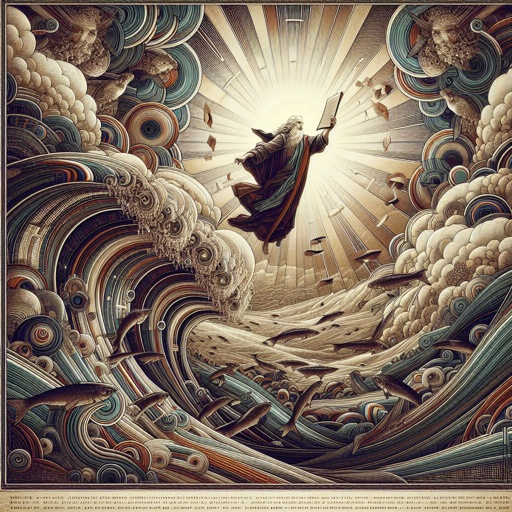
Leviticus 23:9 - "¶ And the LORD spake unto Moses, saying,"

Leviticus 6:19 - "¶ And the LORD spake unto Moses, saying,"

Leviticus 19:1 - "And the LORD spake unto Moses, saying,"

Leviticus 23:5 - "In the fourteenth day of the first month at even is the LORD'S passover."

Leviticus 23:44 - "And Moses declared unto the children of Israel the feasts of the LORD."

Leviticus 26:23 - "And if ye will not be reformed by me by these things, but will walk contrary unto me;"

Genesis 23-19

Luke 19:23

Luke 19:23

Leviticus 11:19 - "And the stork, the heron after her kind, and the lapwing, and the bat."

Leviticus 19:7 - "And if it be eaten at all on the third day, it is abominable; it shall not be accepted."