Rest and Reverence: Embracing Divine Statutes
“Ye shall do no manner of work: it shall be a statute for ever throughout your generations in all your dwellings.” — Leviticus 23:31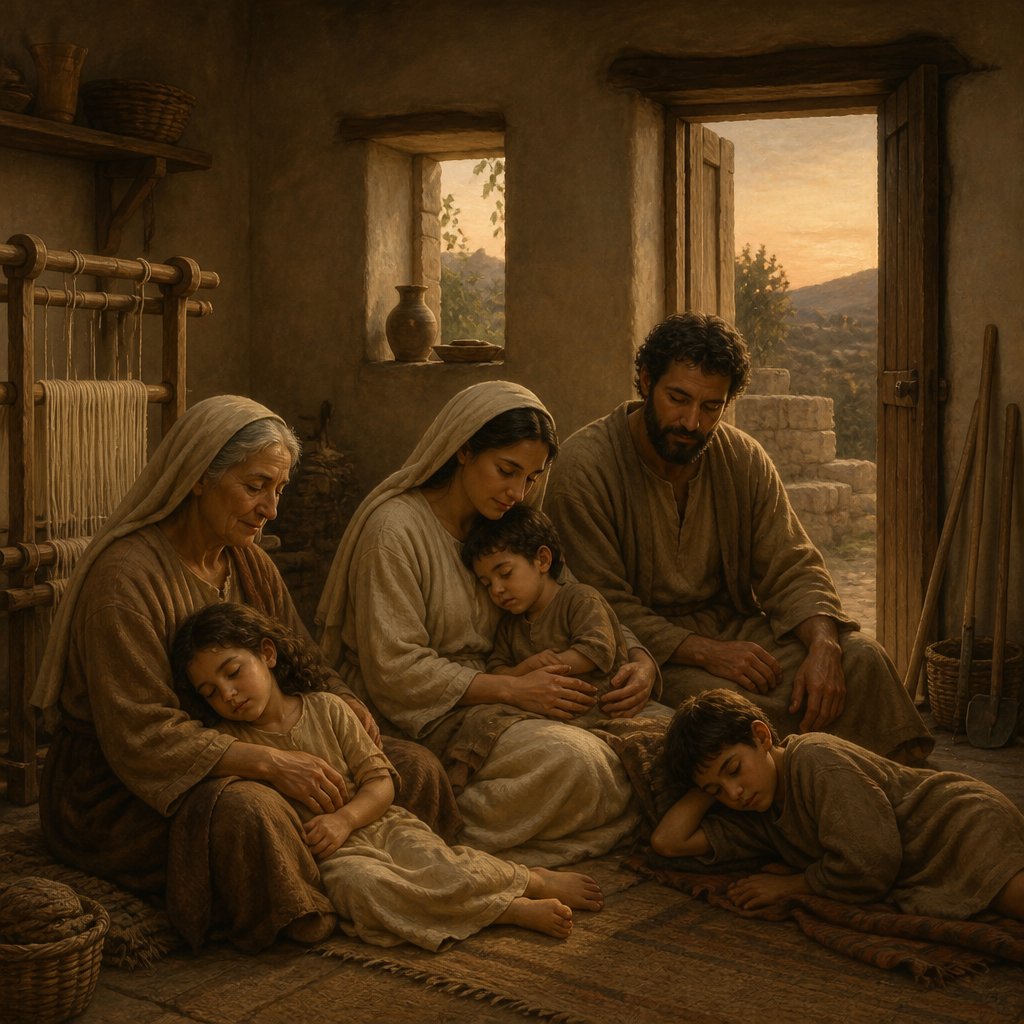
In Leviticus 23:31, the Lord commands, "Ye shall do no manner of work: it shall be a statute for ever throughout your generations in all your dwellings." This instruction, nestled within the framework of the Israelites' religious observances, still resonates profoundly in our current lives, calling us to reflect on the nature of rest, obedience, and worship. As we delve deeper into the implications of this verse, we are invited to explore not only the historical context but also its timeless relevance in our spiritual journey.
The directive in Leviticus 23:31 speaks to one of the numerous feasts that God instituted for His people, specifically focusing on the Day of Atonement (Yom Kippur). It was a solemn day set apart for fasting, confession, and seeking reconciliation with God. The prohibition of work on such a day emphasizes the sacred nature of the moment—a time for reflection rather than distraction. In a world where busyness often equates to productivity, the divine exhortation to refrain from work serves as a powerful reminder that our value is not defined by our incessant activity but through our connection to God.
The phrase "it shall be a statute for ever throughout your generations" underscores the permanence of God's commandments. This notion of a 'statute' conveys a sense of authority and must not be treated lightly. God's directives are not ephemeral suggestions; they are divine mandates meant for compliance across time and cultures. We must ask ourselves, how often do we consciously engage with God's statutes in our lives? Are we dedicated to honoring them, or do we dismiss them as relics of an ancient past?
Moreover, the call to "do no manner of work" invites us to a deeper sense of rest. The Sabbath principle is not only about physical rest but also about spiritual renewal. Jesus reiterated this in the New Testament: "The Sabbath was made for man, and not man for the Sabbath" (Mark 2:27). Our observance of rest is meant for our benefit, allowing us to recharge spiritually and physically as we come before the Lord in worship. While we may no longer adhere to the Old Testament laws in their entirety, the underlying truth remains: God desires for us to prioritize rest as a means to cultivate a relationship with Him.
Think of the countless hours we spend working, tending to our responsibilities, and worrying over our daily lives. These moments can overshadow our need for divine connection. God understands this struggle, which is why He declared specific times to pause and reflect on His goodness. He knows that without rest, our hearts can grow weary, our spirits can dim, and our relationship with Him can suffer. The instruction in this verse serves as a gracious reminder to interlace our lives with rhythms of worship and periods of restoration.
There is also a communal aspect to this statute. It was meant to create a sense of unity among the people of Israel, emphasizing that every believer is called to remember God’s holiness together. In our contemporary context, one could argue that while our individual lives are often hectic, setting apart time to rest and engage in communal worship can strengthen the body of Christ. As we gather for worship or moments of stillness and reflection, we are not only obeying God's command but reinforcing our communal bond.
As you incorporate rest into your weekly rhythms, consider what it means to truly dedicate this time to the Lord. Reflect on practices that help you engage meaningfully with God—whether through prayer, meditation on Scripture, or fellowship with others. Embrace the stillness, allowing God to speak into your life and fill you with His peace. In adhering to His statutes, we are not merely fulfilling an obligation; we are entering into a divine dialogue that nurtures our souls and glorifies our Creator.
Get our apps


Artwork for Leviticus 23:31

Leviticus 23:31 - "Ye shall do no manner of work: it shall be a statute for ever throughout your generations in all your dwellings."
"Ye shall do no manner of work: it shall be a statute for ever throughout your generations in all your dwellings." - Leviticus 23:31

Leviticus 23:23 - "¶ And the LORD spake unto Moses, saying,"

Leviticus 23:21

Leviticus 23:21

Leviticus 23:21

Leviticus 23:21

Leviticus 23:21

Leviticus 23:20

Leviticus 23:21

Leviticus 23:15-22

Leviticus 23:17-22

Leviticus 24:20-23

"¶ And the LORD spake unto Moses, saying," - Leviticus 23:23

Leviticus 23:26 - "¶ And the LORD spake unto Moses, saying,"

Leviticus 23:1 - "And the LORD spake unto Moses, saying,"

Leviticus 23:33 - "¶ And the LORD spake unto Moses, saying,"

Leviticus 23:9 - "¶ And the LORD spake unto Moses, saying,"

Leviticus 7:31 - "And the priest shall burn the fat upon the altar: but the breast shall be Aaron's and his sons'."

Leviticus 22:31 - "Therefore shall ye keep my commandments, and do them: I am the LORD."

2 Samuel 23:31 - "Abi-albon the Arbathite, Azmaveth the Barhumite,"

Leviticus 16:31 - "It shall be a sabbath of rest unto you, and ye shall afflict your souls, by a statute for ever."

Leviticus 27:31 - "And if a man will at all redeem ought of his tithes, he shall add thereto the fifth part thereof."

Leviticus 23:5 - "In the fourteenth day of the first month at even is the LORD'S passover."

Leviticus 23:44 - "And Moses declared unto the children of Israel the feasts of the LORD."

Luke 23:31 - "For if they do these things in a green tree, what shall be done in the dry?"

Leviticus 26:23 - "And if ye will not be reformed by me by these things, but will walk contrary unto me;"

Acts 23:31 - "Then the soldiers, as it was commanded them, took Paul, and brought him by night to Antipatris."

the jewish holidays mentioned in leviticus 23:1 until 23:40 combined in one picture,

Leviticus 11:31 - "These are unclean to you among all that creep: whosoever doth touch them, when they be dead, shall be unclean until the even."