Dwelling in His Presence: The Feast of Tabernacles
“Speak unto the children of Israel, saying, The fifteenth day of this seventh month shall be the feast of tabernacles for seven days unto the LORD.” — Leviticus 23:34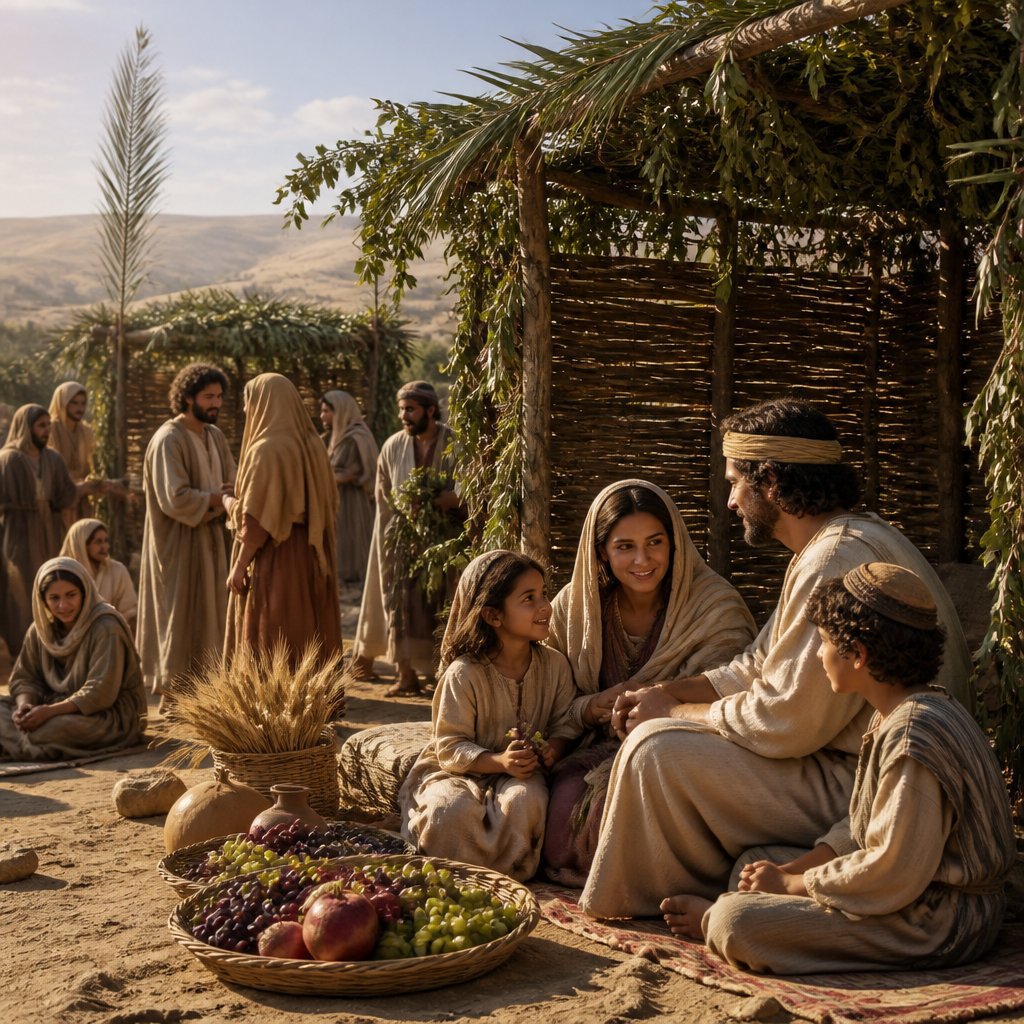
The Feast of Tabernacles, also known as Sukkot, stands as a significant observance among the festivals outlined in the book of Leviticus. The specific instruction given in Leviticus 23:34—"Speak unto the children of Israel, saying, The fifteenth day of this seventh month shall be the feast of tabernacles for seven days unto the LORD"—provides us an opportunity to delve into its rich meaning and spiritual implications for us today.
To fully appreciate the weight of this festival, we must first consider its historical context. The Israelites were commanded to observe the Feast of Tabernacles as a reminder of their time spent in the wilderness after their exodus from Egypt—a period characterized by wandering, dependence on God, and ultimate deliverance. The very name, "Tabernacles," or "Booths," evokes images of temporary dwellings which the Israelites used as they moved through the rugged terrain. God directed His people to live in these makeshift shelters during the festival, symbolizing their reliance on Him amidst uncertainty and spiritual formation.
In a broader spiritual context, the Feast of Tabernacles invites us into a reflective space where we can contemplate our own life journeys. Our personal wilderness moments, although different in nature, often foster a deeper relationship with God. Just as Israel depended on God for their daily sustenance—manna from heaven, water from rocks, guidance by a cloud by day and fire by night—we too are called to seek God’s provision in our lives. In our own seasons of wandering, isolation, or struggle, much as Israel did, we are invited to build temporary spaces—sacred moments of surrender where we can dwell in the presence of the Lord.
The instruction to observe the Feast of Tabernacles extends beyond mere remembrance; it becomes a profound inward experience of worship and honor to God. A significant aspect of this festival is joy. In Deuteronomy 16:14-15, we read, “And thou shalt rejoice in thy feast, thou, and thy son, and thy daughter, and thy manservant, and thy maidservant, and the Levite, the stranger, and the fatherless, and the widow, that are within thy gates: for in seven days shalt thou keep a solemn feast unto the LORD thy God in the place which the LORD shall choose: because the LORD thy God shall bless thee in all thine increase, and in all the works of thine hands, therefore thou shalt surely rejoice.”
Joy is a fundamental theme that should permeate our worship and observance, reminiscent of God's goodness and providence. The festivals were not only meant to recall historical events but to cultivate a spirit of thanksgiving and celebration among the community of believers, drawing them closer to one another and closer to God. When was the last time we intentionally set aside time to celebrate God’s goodness in our lives? Just as Israel gathered in booths, we too can create spaces of celebration, inviting family and friends to join in, sharing testimonies of God’s faithfulness.
Moreover, the Feast of Tabernacles foreshadows the ultimate divine presence in our lives through Christ. John 1:14 tells us, “And the Word was made flesh, and dwelt among us (tabernacled among us), full of grace and truth.” In Jesus, God’s presence comes to dwell with us, not in temporary booths, but in our hearts permanently. His incarnation serves as the ultimate dwelling place of God among His people, fulfilling the true essence of what the Feast of Tabernacles symbolizes.
As we reflect on the significance of this festival, let us remember to build our own spiritual tabernacles—places of worship, quietness, and retreat where we can commune with God. May we embrace the joy of His provision and presence, acknowledging that through every season of our lives, He invites us to dwell with Him continuously. Let us not forget that just as Israel revered their time in the wilderness, our sojourns in life can be transformative when steeped in faith, rich thankfulness, and divine joy.
Get our apps


Artwork for Leviticus 23:34

Leviticus 23:34 - "Speak unto the children of Israel, saying, The fifteenth day of this seventh month shall be the feast of tabernacles for seven days unto the LORD."
"Speak unto the children of Israel, saying, The fifteenth day of this seventh month shall be the feast of tabernacles for seven days unto the LORD." - Leviticus 23:34

Matthew 2:3-4

Matthew 2:3-4

Matthew 2:3-4

Matthew 2:3-4

Leviticus 23:23 - "¶ And the LORD spake unto Moses, saying,"

Leviticus 25:34 - "But the field of the suburbs of their cities may not be sold; for it is their perpetual possession."

Matthew 18:23-34

Matthew 18:23-34

Matthew 18:23-34

Leviticus 27:34 - "These are the commandments, which the LORD commanded Moses for the children of Israel in mount Sinai."

Leviticus 23:21

Leviticus 23:21

Matthew 18:23-34

Leviticus 23:21

Leviticus 23:21

Leviticus 23:21

Leviticus 23:20

Leviticus 23:21

Leviticus 8:34 - "As he hath done this day, so the LORD hath commanded to do, to make an atonement for you."

Leviticus 23:15-22

Leviticus 23:17-22

Leviticus 24:20-23

"¶ And the LORD spake unto Moses, saying," - Leviticus 23:23

Leviticus 23:26 - "¶ And the LORD spake unto Moses, saying,"

Leviticus 23:1 - "And the LORD spake unto Moses, saying,"

Leviticus 23:33 - "¶ And the LORD spake unto Moses, saying,"
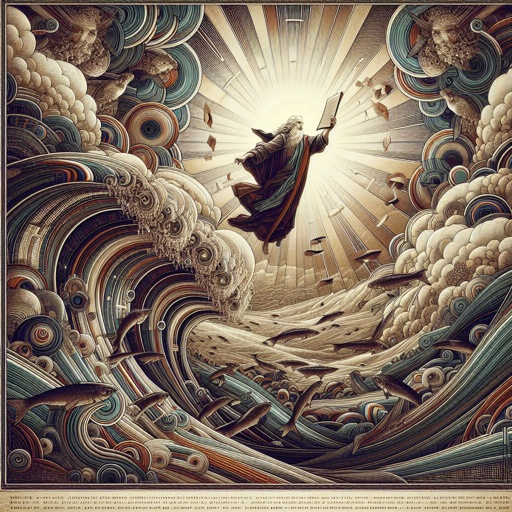
Leviticus 23:9 - "¶ And the LORD spake unto Moses, saying,"
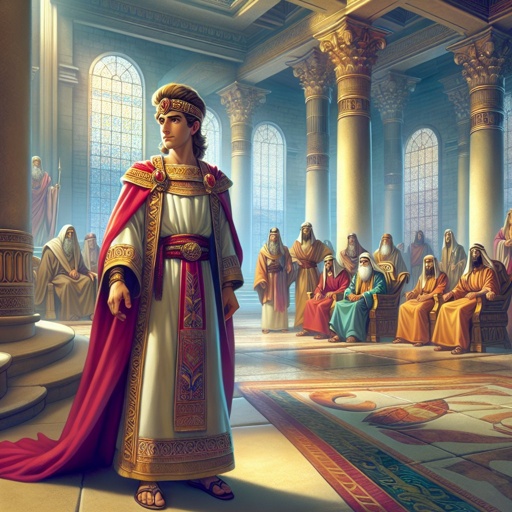
Numbers 34:23 - "The prince of the children of Joseph, for the tribe of the children of Manasseh, Hanniel the son of Ephod."