Seasons of Celebration: Understanding God's Feasts
“These are the feasts of the LORD, even holy convocations, which ye shall proclaim in their seasons.” — Leviticus 23:4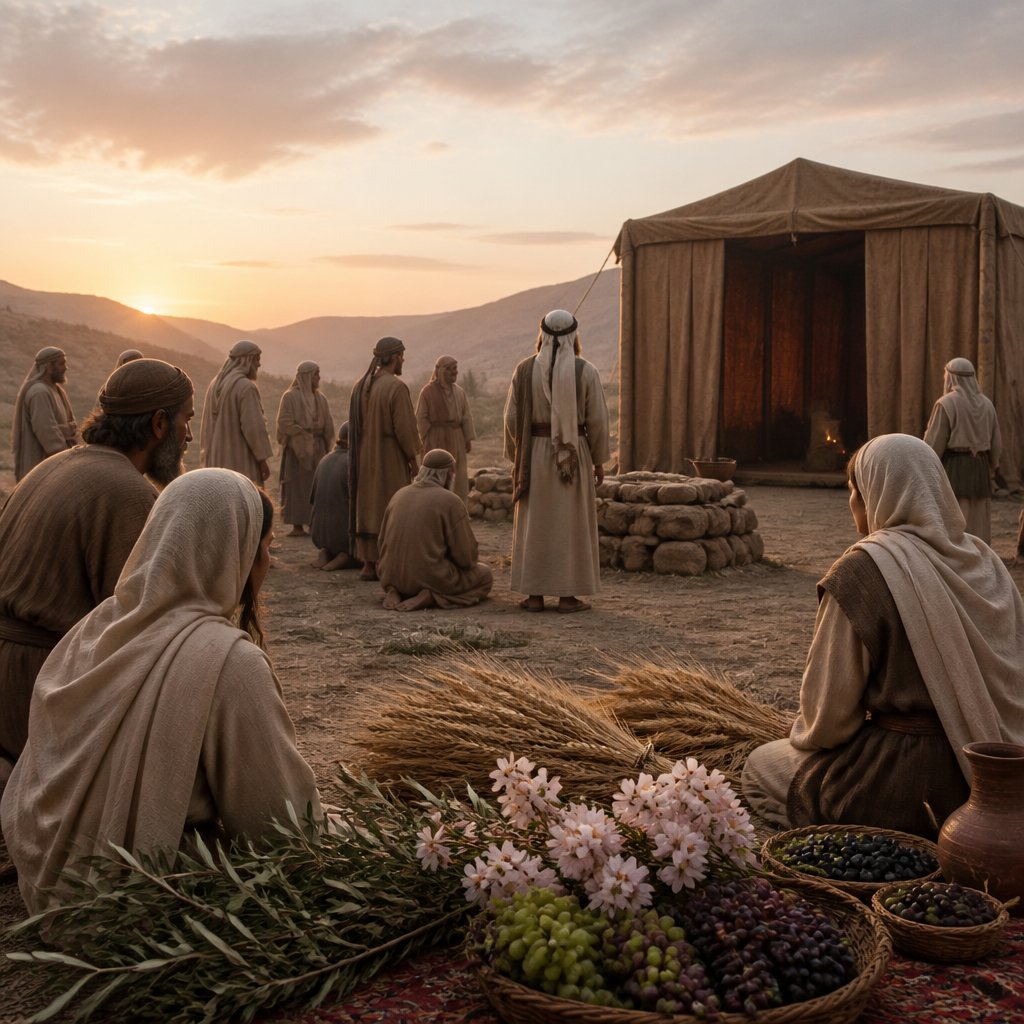
Leviticus 23:4 states, "These are the feasts of the LORD, even holy convocations, which ye shall proclaim in their seasons." This verse reminds us of God’s intentional design in establishing a rhythm of worship and celebration among His people. In this devotional, we will delve into the significance of these feasts, their relevance in our lives today, and what it means to honor God's appointed seasons.
From the outset, it is essential to understand that God is a God of order and purpose. The feasts outlined in Leviticus 23 are not merely religious festivities but divine appointments that God established for His people, primarily the Israelites. Each feast—whether it be Passover, Pentecost, or the Feast of Tabernacles—holds rich theological significance and serves as a prophetic shadow pointing toward Christ and His redemptive work.
The phrase "holy convocations" indicates that these feasts were not only times of personal reflection but were intended for communal worship. They required the gathering of God’s people, creating a sense of community and shared faith in the process. Today, as we gather for worship in our churches, we too participate in this beautiful tradition of coming together to proclaim the goodness, mercy, and provision of our Lord.
Each feast also serves to remind the children of Israel of their history, of what God has done for them. For instance, Passover commemorates their deliverance from Egypt, symbolizing freedom from oppression—an essential aspect of their identity. Similarly, as Christians, we are called to remember our deliverance from sin through the ultimate sacrifice of Jesus Christ, our Passover Lamb (1 Corinthians 5:7). This celebration should evoke gratitude and encourage us to live out our freedom in service to others.
In a world that can feel chaotic and uncertain, God’s feasts provide us with a framework of worship that can renew our spirits and realign our priorities. When we proclaim these seasons in our lives, we acknowledge God's sovereignty and faithfulness. We recognize that just as He established the timing for these feasts, He has a perfect plan—in His timing—for our own lives.
Furthermore, the statement mentions that these feasts should be proclaimed "in their seasons." There is a divine timing associated with each feast which speaks to how God orchestrates our lives. Just like the natural seasons of planting, growing, and harvesting in agriculture, our spiritual lives also go through cycles. Sometimes we may feel like we are waiting in a barren season, while at other times, we experience rapid growth or abundance. In every season, we are reminded of the importance of being attuned to God’s purposes and proclaiming His faithfulness.
As we think about this concept of "seasons," it invites us to reflect upon our own spiritual journey. Are we currently in a season of waiting? A season of growth? A season of celebration? Each phase of our journey carries its own lessons and blessings. Just as God commanded Israel to partake in joyous feasts, we too should find ways to rejoice and celebrate God’s presence in our lives, regardless of our circumstances. This could involve personal acts of worship, communal gatherings, or simply daily expressions of gratitude.
In conclusion, Leviticus 23:4 encapsulates more than a historical account of feasts; it embodies the heart of God towards His people—a desire to dwell among them and a longing for them to know His faithfulness. As we explore these divinely appointed seasons, let us embrace them not only as reminders of God’s past provision but also as invitations for deeper relationship. May we proclaim our own seasons of life with joy and expectancy, knowing that every season is an opportunity to witness the presence of the Lord in our midst.
Get our apps


Artwork for Leviticus 23:4

Leviticus 23:4 - "¶ These are the feasts of the LORD, even holy convocations, which ye shall proclaim in their seasons."
"¶ These are the feasts of the LORD, even holy convocations, which ye shall proclaim in their seasons." - Leviticus 23:4

Leviticus 4:23 - "Or if his sin, wherein he hath sinned, come to his knowledge; he shall bring his offering, a kid of the goats, a male without blemish:"

Leviticus 23:23 - "¶ And the LORD spake unto Moses, saying,"

Leviticus 23:21

Leviticus 23:21

Leviticus 23:21

Leviticus 23:21

Leviticus 23:21

Leviticus 23:20

Leviticus 23:21

Leviticus 23:15-22

Leviticus 23:17-22

Leviticus 24:20-23

"¶ And the LORD spake unto Moses, saying," - Leviticus 23:23

Leviticus 23:1 - "And the LORD spake unto Moses, saying,"

Leviticus 23:26 - "¶ And the LORD spake unto Moses, saying,"

Leviticus 23:33 - "¶ And the LORD spake unto Moses, saying,"
Leviticus 23:9 - "¶ And the LORD spake unto Moses, saying,"

Leviticus 23:5 - "In the fourteenth day of the first month at even is the LORD'S passover."

Leviticus 23:44 - "And Moses declared unto the children of Israel the feasts of the LORD."

Leviticus 26:23 - "And if ye will not be reformed by me by these things, but will walk contrary unto me;"

the jewish holidays mentioned in leviticus 23:1 until 23:40 combined in one picture,

Leviticus 6:23 - "For every meat offering for the priest shall be wholly burnt: it shall not be eaten."

Leviticus 25:23 - "¶ The land shall not be sold for ever: for the land is mine; for ye are strangers and sojourners with me."

Leviticus 23:35 - "On the first day shall be an holy convocation: ye shall do no servile work therein."

Leviticus 26: 4-6

the jewish holidays mentioned in leviticus 23:1 until 23:40 combined in one picture, with hebrew names in hebrew charactes

Leviticus 23:42 - "Ye shall dwell in booths seven days; all that are Israelites born shall dwell in booths:"
Leviticus 26: 4-6