Striving Together: The Tension of Identity and Community
“And the son of an Israelitish woman, whose father was an Egyptian, went out among the children of Israel: and this son of the Israelitish woman and a man of Israel strove together in the camp;” — Leviticus 24:10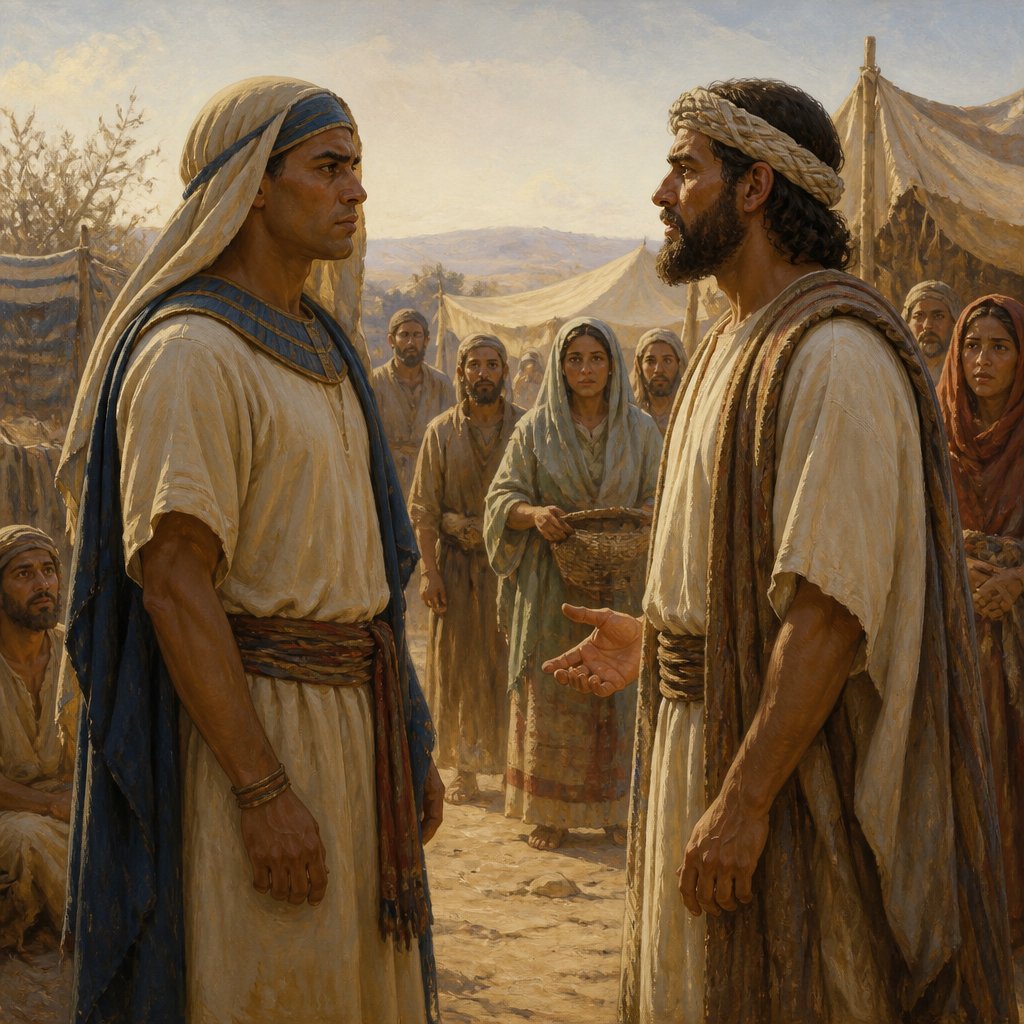
Leviticus 24:10 presents a pivotal moment in the annals of ancient Israel: "And the son of an Israelitish woman, whose father was an Egyptian, went out among the children of Israel: and this son of the Israelitish woman and a man of Israel strove together in the camp." This verse introduces us to a complex situation that invites us to consider the implications of identity, community, and conflict in our spiritual walk.
In this ancient context, the Israelitish woman represents the covenant people, while the Egyptian father symbolizes a contrasting identity. This mixture is significant in the development of Hebrew identity and faith. The boy born of such a union finds himself in a unique and precarious position, standing between two worlds: the sacred tradition of his Israelite mother and the cultural heritage of his Egyptian father.
Today, many of us find ourselves in similar circumstances, sometimes standing in the intersection of cultures, ideals, or spiritual backgrounds. The son’s struggle represents not only personal conflict but also speaks to a larger narrative of belonging within community. By entering into the midst of the children of Israel, he is seeking to establish his place among them, yet this attempt leads to contention. The ‘striving together’ motif holds profound weight as it echoes in our relationships within our families, churches, and among friends. Conflict arises not merely from misunderstanding but often from differing identities and experiences.
The Hebrew people were tasked with maintaining the purity of their community, ensuring that their identity, worship, and practices remain untainted by foreign influences. The son’s mixed heritage could be viewed through the lens of caution, tension, and the challenging dynamics that come with inclusion. One appreciates that striving, or conflict, among individuals can emerge when values clash or when insecurities surface. There is often an instinctive pushback against that which is perceived as different.
Despite the circumstances of this conflict—rooting back to discussions of purity and heritage—this verse reveals deeper truths about our nature as humans. Each of us carries within us both a desire for community and a fear of conflict. Every relationship undergoes moments of striving where tensions can threaten unity.
However, we must examine our reactions in the face of such conflict. Do we withdraw into ourselves, clinging to our identities while dismissing others? Or do we embrace the discomfort, striving together with grace to create understanding? Jesus often entered spaces of conflict with the marginalized and the outsiders, seeking to reconcile differences with love and compassion. In the New Testament, we are reminded of the call to love one another, irrespective of racial or cultural backgrounds.
Thus, the challenge extends to us today: how do we navigate our differences? How can we bring our conflicts to the Lord, allowing Him to transform strife into opportunities for growth? Philippians 2:3-4 offers a corrective posture, urging us to "let nothing be done through strife or vainglory; but in lowliness of mind let each esteem other better than themselves. Look not every man on his own things, but every man also on the things of others."
The story reflects not merely a singular conflict but showcases the ability for reconciliation and understanding within the body of believers. One day, we are called to put aside identities that cause division and focus instead on Christ’s redemptive work within us all. Our call is to strive not to win arguments but to promote harmony. May we recognize the son of the Israelitish woman as a prompt to engage with love and seek understanding, embodying the truth that the beauty of community is found in its diversity.
Get our apps


Artwork for Leviticus 24:10

Leviticus 24:10 - "¶ And the son of an Israelitish woman, whose father was an Egyptian, went out among the children of Israel: and this son of the Israelitish woman and a man of Israel strove together in the camp;"
"¶ And the son of an Israelitish woman, whose father was an Egyptian, went out among the children of Israel: and this son of the Israelitish woman and a man of Israel strove together in the camp;" - Leviticus 24:10

Leviticus 24:20-23

Leviticus 6:24 - "¶ And the LORD spake unto Moses, saying,"

Leviticus 24:1 - "And the LORD spake unto Moses, saying,"

Leviticus 24:13 - "And the LORD spake unto Moses, saying,"

Leviticus 24:12 - "And they put him in ward, that the mind of the LORD might be shewed them."

Leviticus 24:17 - "¶ And he that killeth any man shall surely be put to death."

Leviticus 24:18 - "And he that killeth a beast shall make it good; beast for beast."

Leviticus 10:10 - "And that ye may put difference between holy and unholy, and between unclean and clean;"

Leviticus 25:24 - "And in all the land of your possession ye shall grant a redemption for the land."

Leviticus 21:24 - "And Moses told it unto Aaron, and to his sons, and unto all the children of Israel."

leviticus 16:7-10

Leviticus 19:24 - "But in the fourth year all the fruit thereof shall be holy to praise the LORD withal."

Leviticus 24:4 - "He shall order the lamps upon the pure candlestick before the LORD continually."

Leviticus 11:24 - "And for these ye shall be unclean: whosoever toucheth the carcase of them shall be unclean until the even."

Leviticus 10:20 - "And when Moses heard that, he was content."
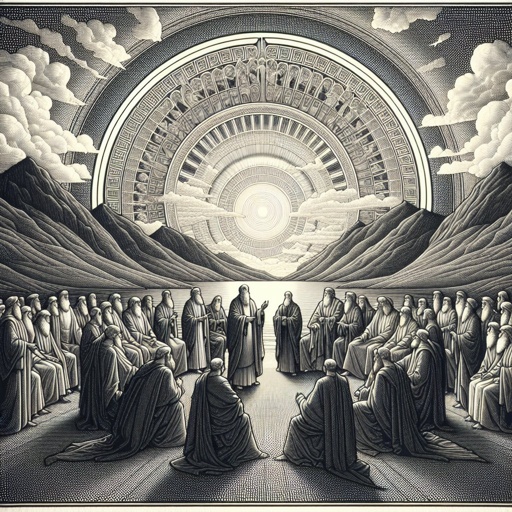
Leviticus 10:8 - "¶ And the LORD spake unto Aaron, saying,"

"¶ And the LORD spake unto Moses, saying," - Leviticus 6:24

Leviticus 24:21 - "And he that killeth a beast, he shall restore it: and he that killeth a man, he shall be put to death."
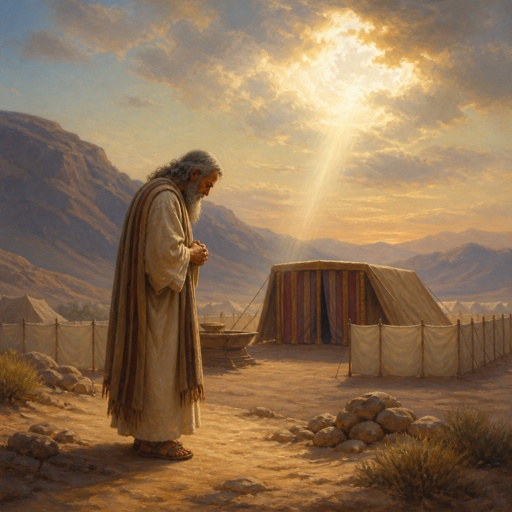
"And the LORD spake unto Moses, saying," - Leviticus 24:13
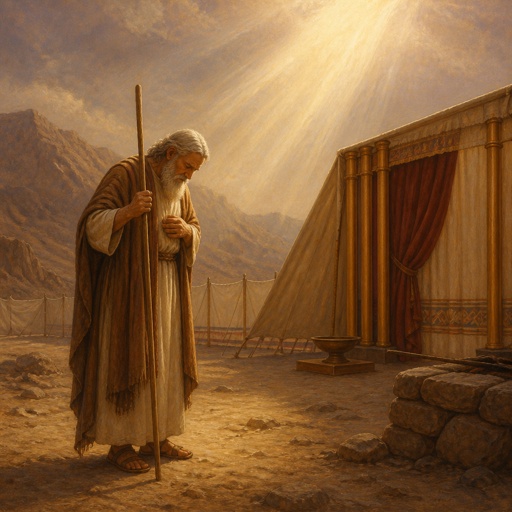
"And the LORD spake unto Moses, saying," - Leviticus 24:1

Leviticus 24:19 - "And if a man cause a blemish in his neighbour; as he hath done, so shall it be done to him;"

Leviticus 26:24 - "Then will I also walk contrary unto you, and will punish you yet seven times for your sins."

Leviticus 24:6 - "And thou shalt set them in two rows, six on a row, upon the pure table before the LORD."

Genesis 24:10
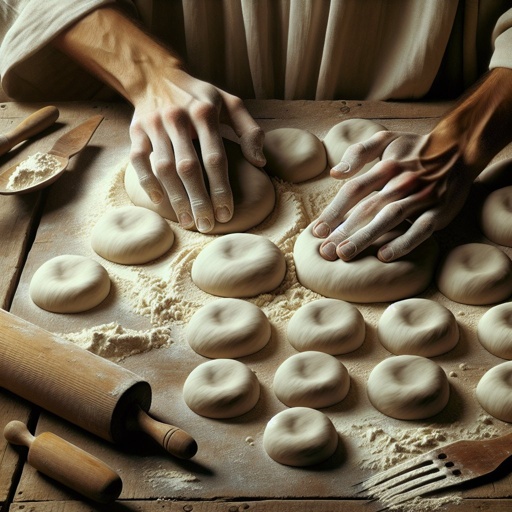
Leviticus 24:5 - "¶ And thou shalt take fine flour, and bake twelve cakes thereof: two tenth deals shall be in one cake."

Leviticus 24:15 - "And thou shalt speak unto the children of Israel, saying, Whosoever curseth his God shall bear his sin."

Leviticus 18:24 - "Defile not ye yourselves in any of these things: for in all these the nations are defiled which I cast out before you:"

Nehemiah 10:24 - "Hallohesh, Pileha, Shobek,"