Trusting God's Provision in Times of Rest
“And if ye shall say, What shall we eat the seventh year? behold, we shall not sow, nor gather in our increase:” — Leviticus 25:20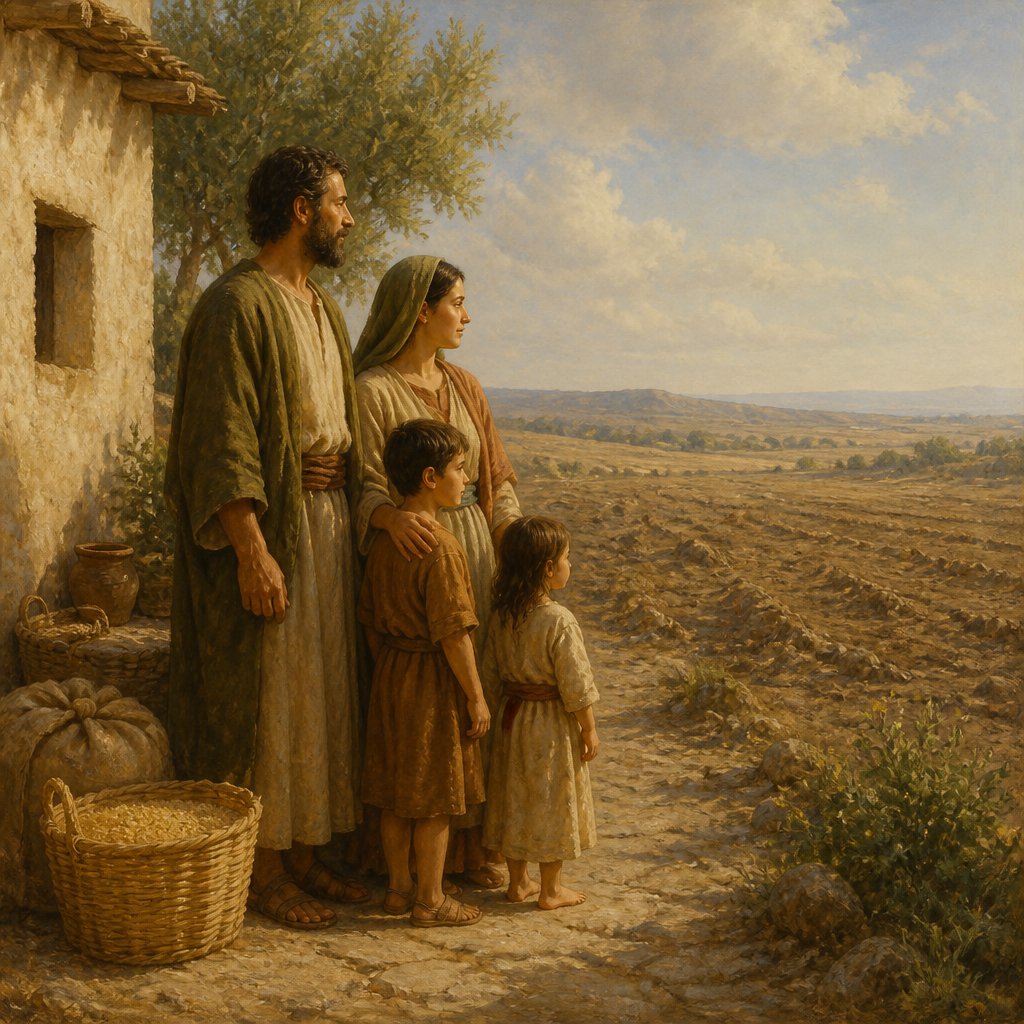
**Devotional: Trusting God's Provision in Times of Rest**
Leviticus 25:20 (KJV): "And if ye shall say, What shall we eat the seventh year? behold, we shall not sow, nor gather in our increase:"
As we delve into the book of Leviticus, it becomes evident that this ancient text is not merely a historical account of Israel’s laws but a profound reflection on the heart of God and His divine principles for living. The verse we encounter in Leviticus 25:20 reveals a state of anxiety that is understandable but reveals much about human nature and our inclination to fret over provision.
In the context of the Israelite agrarian society, the commandment regarding the Sabbath year was a radical deviation from the normal routines of farming and consumption. Every seventh year, the land was to lie fallow, and no sowing or harvesting was to occur. This directive was not simply practical; it was deeply spiritual, necessitating a profound reliance upon God's faithfulness and provision. The call to rest, to pause from labor, challenges the human instincts for self-sufficiency and constant productivity.
The Israelites are faced with a troubling question: "What shall we eat the seventh year?" This question captures the essence of human worry. Imagine the fear and panic that might arise when a person relies solely on their efforts to meet their needs. Each year of toil might yield a sense of affirmation that their hard work ensures sustenance, but the seventh year demanded a relinquishment of control. God was emphasizing the importance of faith over fear, inviting His people into a rhythm of rest that required trust.
In navigating our own modern lives, we often find ourselves mirroring the concerns of the Israelites. We are beset, not by the worries of an agricultural season but by careers, bills, and demands that claw at our attention. The world tells us that security is found in our relentless work ethic and in stacking up resources for ourselves. However, the Sabbath year commanded a courageous declaration of faith: to trust in God's provision, even when it appears that our effort would result in futility.
Thus, during the seventh year, the Israelites were to experience a transition—not through their labor but through the bounty that emerged from God’s hand alone. God reassured them, not by explaining how their needs would be met but by demanding their obedience. By observing the Sabbath year, they acknowledged that the earth and its fullness belonged to God. What appears to be a lack of action, a forfeiture of control, becomes a profound act of worship where they trust in God's covenant promise to sustain them.
As we apply this principle in our lives, we might consider what our 'seventh year' looks like. It could be a literal sabbath—a day of rest each week where we cease our labor to reconnect with God and with our families. Or it might involve stepping back and allowing God to intervene in areas of our lives where we instinctively reach for control. Perhaps it means reducing our work hours, intentionally scheduling moments of relaxation, or even engaging in acts of service, trusting that God will provide in our absence.
In moments of worry, we must remind ourselves of God's faithfulness throughout history. The same God who promised provision for the Israelites calls us to cast our anxieties upon Him. As we take brave steps towards resting and relinquishing control, we may find that in letting go, we discover a new depth of relationship with our Creator. He desires to show us that His resources are endless, His faithfulness unwavering, and His love abundantly sufficient, even in our attempts to rest.
Let us lean into the discomfort and uncertainty of what it means to trust God fully. The Sabbath year beckons us to reflect upon the extraordinary grace of reliance—a grace that teaches us about our place in the created order, our dependence on God, and the peace that comes with surrendering our needs into His capable hands. God is faithful, and He will provide.
Get our apps


Artwork for Leviticus 25:20

Leviticus 25:20 - "And if ye shall say, What shall we eat the seventh year? behold, we shall not sow, nor gather in our increase:"
"And if ye shall say, What shall we eat the seventh year? behold, we shall not sow, nor gather in our increase:" - Leviticus 25:20

Leviticus 20:25 - "Ye shall therefore put difference between clean beasts and unclean, and between unclean fowls and clean: and ye shall not make your souls abominable by beast, or by fowl, or by any manner of living thing that creepeth on the ground, which I have separated from you as unclean."

Leviticus 23:20

Leviticus 24:20-23

Leviticus 25:26 - "And if the man have none to redeem it, and himself be able to redeem it;"

Leviticus 25:34 - "But the field of the suburbs of their cities may not be sold; for it is their perpetual possession."

Leviticus 25:1 - "And the LORD spake unto Moses in mount Sinai, saying,"

Leviticus 16:25 - "And the fat of the sin offering shall he burn upon the altar."

Leviticus 20:1 - "And the LORD spake unto Moses, saying,"

Leviticus 10:20 - "And when Moses heard that, he was content."

Leviticus 25:24 - "And in all the land of your possession ye shall grant a redemption for the land."

Leviticus 25:13 - "In the year of this jubile ye shall return every man unto his possession."

Leviticus 25:23 - "¶ The land shall not be sold for ever: for the land is mine; for ye are strangers and sojourners with me."
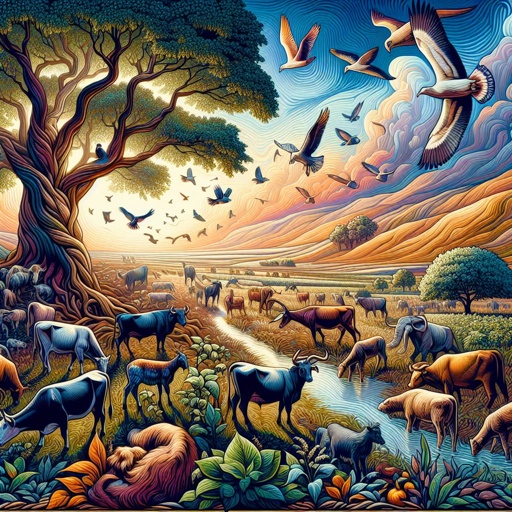
Leviticus 25:7 - "And for thy cattle, and for the beast that are in thy land, shall all the increase thereof be meat."
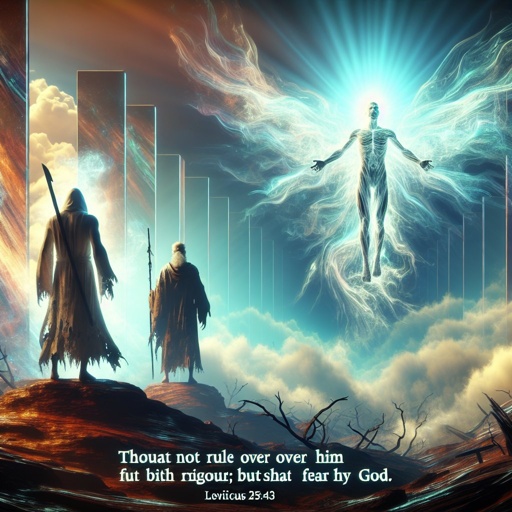
Leviticus 25:43 - "Thou shalt not rule over him with rigour; but shalt fear thy God."

Leviticus 25:32 - "Notwithstanding the cities of the Levites, and the houses of the cities of their possession, may the Levites redeem at any time."

Leviticus 27:25 - "And all thy estimations shall be according to the shekel of the sanctuary: twenty gerahs shall be the shekel."

Leviticus 20:22-26 simple picture

Picture to summarize Leviticus 20:22-26

Leviticus 25:25 - "¶ If thy brother be waxen poor, and hath sold away some of his possession, and if any of his kin come to redeem it, then shall he redeem that which his brother sold."

Leviticus 25:12 - "For it is the jubile; it shall be holy unto you: ye shall eat the increase thereof out of the field."

Leviticus 25:40 - "But as an hired servant, and as a sojourner, he shall be with thee, and shall serve thee unto the year of jubile:"

Cycle of sabbath rest year. Leviticus 25:1-7

Leviticus 20:20 - "And if a man shall lie with his uncle's wife, he hath uncovered his uncle's nakedness: they shall bear their sin; they shall die childless."

Leviticus 25:42 - "For they are my servants, which I brought forth out of the land of Egypt: they shall not be sold as bondmen."
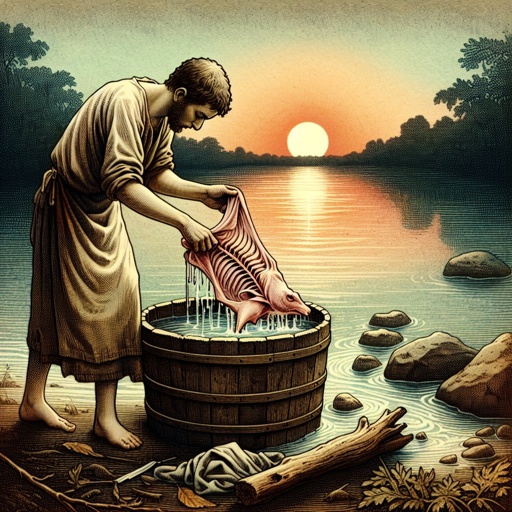
Leviticus 11:25 - "And whosoever beareth ought of the carcase of them shall wash his clothes, and be unclean until the even."

Leviticus 25:48 - "After that he is sold he may be redeemed again; one of his brethren may redeem him:"

Leviticus 9:20 - "And they put the fat upon the breasts, and he burnt the fat upon the altar:"

Leviticus 8:20 - "And he cut the ram into pieces; and Moses burnt the head, and the pieces, and the fat."