Understanding Our Place: God, the Land, and Our Lives
“The land shall not be sold for ever: for the land is mine; for ye are strangers and sojourners with me.” — Leviticus 25:23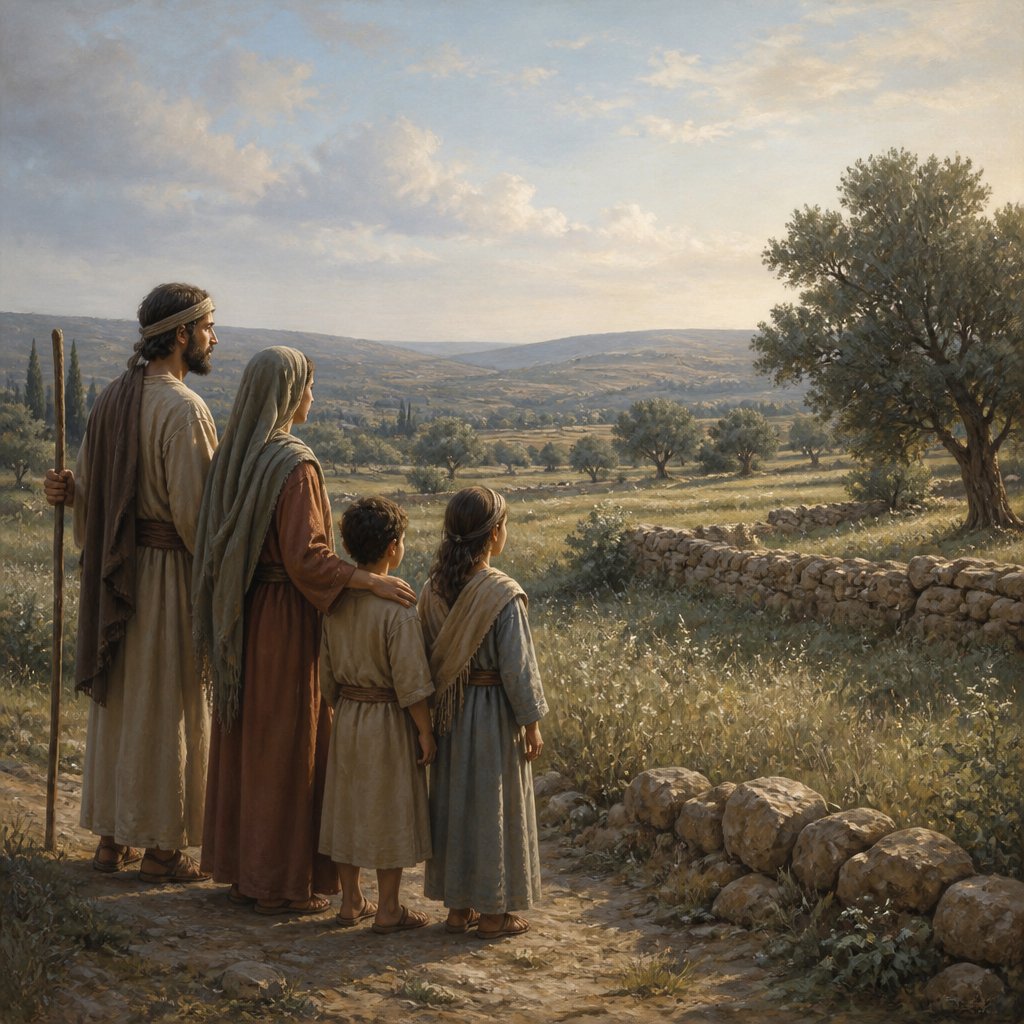
In Leviticus 25:23, God declares through Moses, "The land shall not be sold for ever: for the land is mine; for ye are strangers and sojourners with me." This verse encapsulates profound truths about ownership, belonging, and our temporary passage through life.
As we delve into this scriptural passage, let us first understand the context of the Israelites as they wandered in the wilderness. They were a people who had been delivered from the bondage of Egypt, yet were called to exist in a land that was not yet theirs entirely. God sustains His covenant with them by asserting His authority over the land, a piece of creation that He calls His own. This claim is not merely about a geographical territory; it extends to everything that sustains life, from the earth beneath our feet to the air that whispers through the trees.
When God states that the land is His, He remands ownership to Himself, emphasizing the reality that everything we possess ultimately comes from Him. In our contemporary culture, where ownership and personal possessions dominate societal values, this reminder is both timely and vital. It confronts us with the truth that our possessions are, in fact, temporary. Just as the land can’t be sold permanently among the Israelites, likewise, everything we have rests on temporary grounds. Our homes, our cars, our wealth—none of these are ours in any lasting sense. They are entrusted to us for a season.
This understanding propels us toward a greater appreciation of stewardship over ownership. If we think of ourselves as mere caretakers of God’s gifts, we begin to treat our resources—our time, talents, and treasures—with care and responsibility. A steward understands the value of what is entrusted to them. Therefore, our lives must reflect the purpose of enhancing the kingdom of God while we exist as strangers and sojourners. Each action we take should echo our role as those belonging to a higher calling, rather than being bogged down by worldly concerns.
God’s declaration that we are “strangers and sojourners” points to our identity and mission. A stranger is someone who does not belong permanently to a place; a sojourner is a traveler, passing through. Both terms remind us that we are not to become too attached to worldly things or to live for the here and now. Our earthly journey is temporary, just like the promised land to the Israelites, and it should remind us to continually focus on our eternal home in Christ.
In a world stricken with discord and desolation, where many chase after stability and security in material possessions, we find peace in the knowledge that our true home is in God’s presence. Hebrews 13:14 reinforces this, saying, "For here have we no continuing city, but we seek one to come."
Thus, in viewing the land as God’s, we are invited into a relationship of trust and reliance. The rugged terrain of life may throw storms and distractions in our path, yet God, the possessive owner of all land, invites us to dwell on His promises rather than the anxieties of our circumstances. His assurances lead us to identify with the greater purpose He has in mind for us as His chosen people, reminding us that our time is brief. Yet, it is also filled with the potential to reflect His glory.
Therefore, let’s live with the understanding of our status as sojourners. Let us ask ourselves how we can honor the land and the people around us in this passage. Are we good stewards of our resources? Are we investing in the kingdom of God or merely stockpiling treasures for ourselves? By focusing our lives on the transient nature given in God’s teachings, we can live boldly for His kingdom, ever mindful that we are waiting for the eternal promise where we will no longer be strangers but children of the Most High.
Get our apps


Artwork for Leviticus 25:23

Leviticus 25:23 - "¶ The land shall not be sold for ever: for the land is mine; for ye are strangers and sojourners with me."
"¶ The land shall not be sold for ever: for the land is mine; for ye are strangers and sojourners with me." - Leviticus 25:23

Leviticus 23:25 - "Ye shall do no servile work therein: but ye shall offer an offering made by fire unto the LORD."

Leviticus 23:23 - "¶ And the LORD spake unto Moses, saying,"
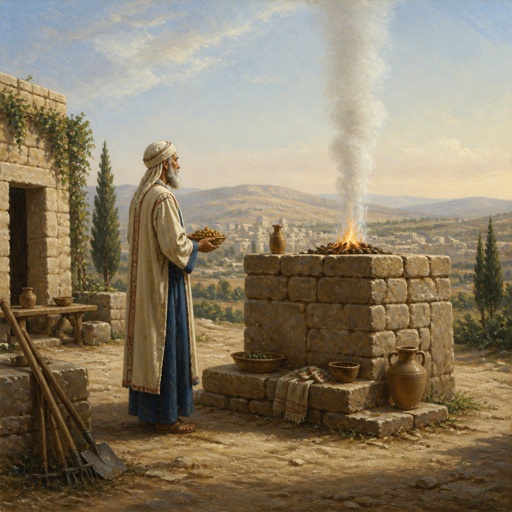
"Ye shall do no servile work therein: but ye shall offer an offering made by fire unto the LORD." - Leviticus 23:25

Leviticus 23:21

Leviticus 23:21

Leviticus 23:21

Leviticus 23:21

Leviticus 23:21

Leviticus 23:20

Leviticus 23:21

Leviticus 23:15-22

Leviticus 23:17-22

Leviticus 24:20-23

"¶ And the LORD spake unto Moses, saying," - Leviticus 23:23

Matthew 25:23

Leviticus 25:26 - "And if the man have none to redeem it, and himself be able to redeem it;"

Leviticus 23:1 - "And the LORD spake unto Moses, saying,"

Leviticus 23:26 - "¶ And the LORD spake unto Moses, saying,"

Leviticus 23:33 - "¶ And the LORD spake unto Moses, saying,"
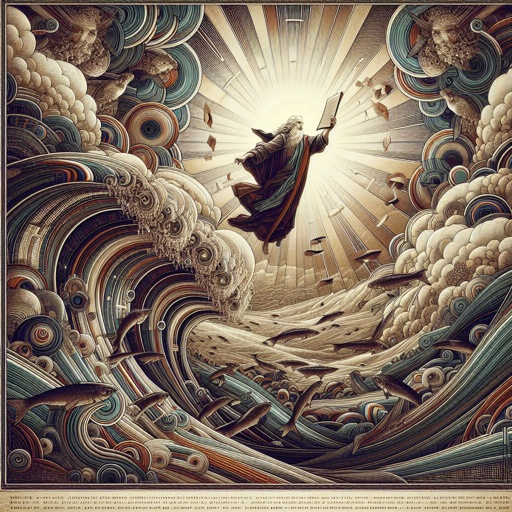
Leviticus 23:9 - "¶ And the LORD spake unto Moses, saying,"

Leviticus 25:34 - "But the field of the suburbs of their cities may not be sold; for it is their perpetual possession."

Leviticus 25:1 - "And the LORD spake unto Moses in mount Sinai, saying,"

Matthew 25:23

Genesis 25-23

Leviticus 16:25 - "And the fat of the sin offering shall he burn upon the altar."

Leviticus 23:5 - "In the fourteenth day of the first month at even is the LORD'S passover."

Leviticus 23:44 - "And Moses declared unto the children of Israel the feasts of the LORD."

Leviticus 25:24 - "And in all the land of your possession ye shall grant a redemption for the land."