Servants of the Most High: Reflecting on Our Divine Calling
“For unto me the children of Israel are servants; they are my servants whom I brought forth out of the land of Egypt: I am the LORD your God.” — Leviticus 25:55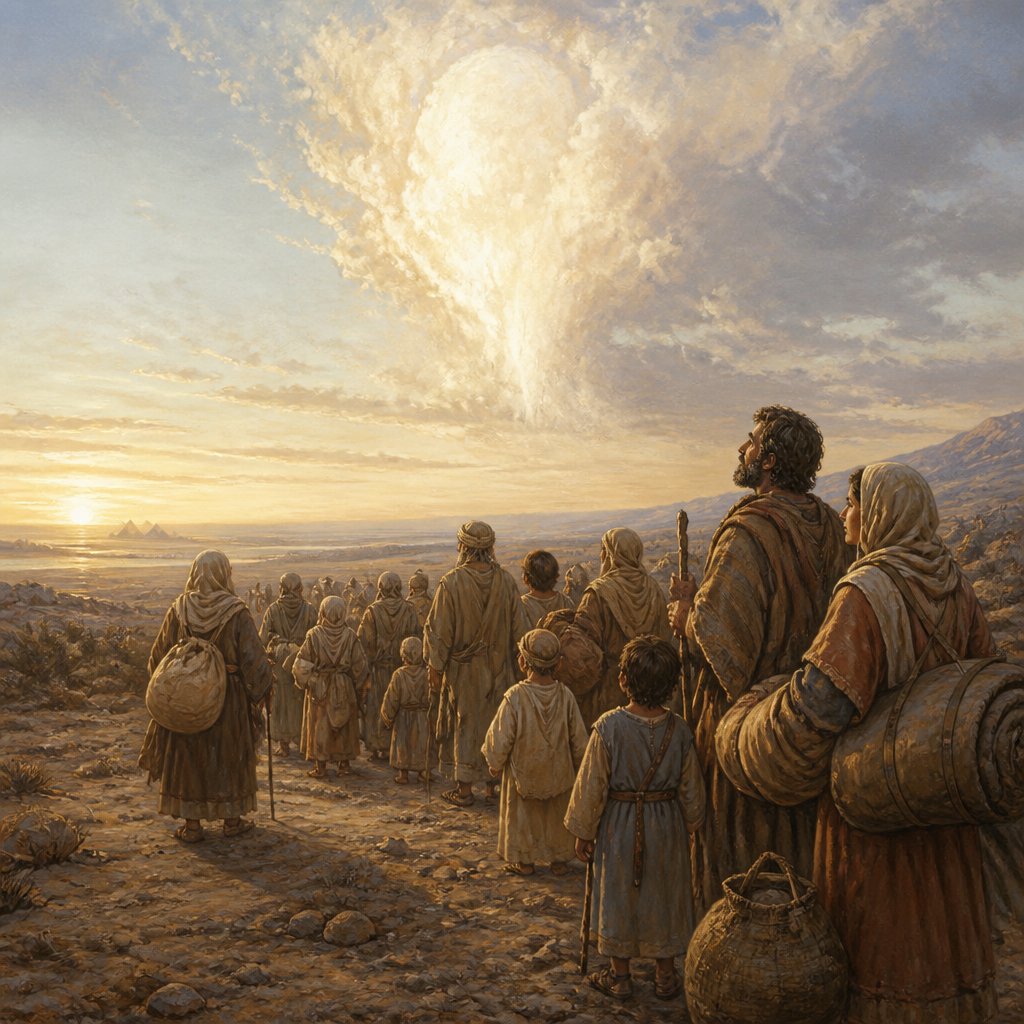
In Leviticus 25:55, we find a profound statement rooted in the identity of God’s people: "For unto me the children of Israel are servants; they are my servants whom I brought forth out of the land of Egypt: I am the LORD your God." This verse encapsulates the relationship that God has with His chosen people and, by extension, the relationship He desires with all who call upon His name.
To understand this verse fully, we must first acknowledge the historical context of Israel’s servitude. The Israelites were formerly enslaved in Egypt, subjected to harsh treatment and required to perform grueling labor. Yet, through His mighty hand, God delivered them, bringing them out of bondage and into a covenant relationship—one marked by divine love, mercy, and grace. His statement that they are His servants is not merely a title; it is an illustration of their new identity and purpose.
To be a servant of the Lord is a multifaceted calling. It implies submission, loyalty, and devotion to God as the supreme authority in our lives. In a world that often values independence and self-sufficiency, it is important to remember that our servitude to God is not a burden, but a privilege. As servants of the Most High, we find our greatest fulfillment not in asserting our own will, but in aligning ourselves with God’s design and purpose for our lives.
The idea of being servants also highlights our relationship with God. In biblical terms, servanthood is indicative of closeness and reliance. Just as the Israelites relied on God for guidance, sustenance, and protection during their journey to the Promised Land, we too are called to depend on Him in every aspect of our lives. This reliance brings about a personal and intimate relationship with the Lord, as we invite Him into our decisions, challenges, and triumphs.
The phrase "whom I brought forth out of the land of Egypt" serves as a reminder of God’s redemptive power. He identifies them with their deliverance, emphasizing that their status as His servants is not due to any merit of their own but solely because of His unmerited grace. In the same way, we are reminded that our worthiness or ability to serve God does not rest on our achievements or righteousness. Rather, it is rooted in Christ’s redemptive work on the cross, delivering us from the bondage of sin and bringing us into a new life guided by His will.
Furthermore, the declaration "I am the LORD your God" reaffirms the covenantal relationship that exists between God and His people. This statement is a call to worship and allegiance, echoing throughout the entirety of Scripture. It challenges us to consider the supremacy of God in our lives and to ask ourselves: Who is our God? Do we allow Him to take His rightful place in our hearts?
As we meditate on this verse, let us reflect on our identity as God’s servants. Like the Israelites, we are called to serve not out of compulsion, but out of gratitude for the deliverance we have received. Our servitude should be characterized by joy and a desire to witness the goodness of God manifest in our lives and in the lives of others.
In practical terms, being a servant of the Lord involves active participation in His kingdom work. It may take form in acts of service, love, and kindness towards others, as we serve our families, communities, and even our enemies. It is a call to live out our faith in tangible ways, modeling what it means to embody the love of Christ.
Ultimately, the truth encapsulated in Leviticus 25:55 challenges us to live out our identity as God’s servants with joy and faithfulness. It invites us to trust the Lord fully, knowing that as we serve Him, we are fulfilling our divine purpose and truly living out the freedom He has granted us. Let us embrace the glorious truth that our God has called us to be His servants—a calling filled with grace, significance, and everlasting love.
Get our apps


Artwork for Leviticus 25:55
Leviticus 25:55 - "For unto me the children of Israel are servants; they are my servants whom I brought forth out of the land of Egypt: I am the LORD your God."
"For unto me the children of Israel are servants; they are my servants whom I brought forth out of the land of Egypt: I am the LORD your God." - Leviticus 25:55

Leviticus 14:55 - "And for the leprosy of a garment, and of a house,"

"And for the leprosy of a garment, and of a house," - Leviticus 14:55

Leviticus 13:55 - "And the priest shall look on the plague, after that it is washed: and, behold, if the plague have not changed his colour, and the plague be not spread; it is unclean; thou shalt burn it in the fire; it is fret inward, whether it be bare within or without."

Leviticus 25:26 - "And if the man have none to redeem it, and himself be able to redeem it;"

Leviticus 25:34 - "But the field of the suburbs of their cities may not be sold; for it is their perpetual possession."

Leviticus 25:1 - "And the LORD spake unto Moses in mount Sinai, saying,"

Leviticus 16:25 - "And the fat of the sin offering shall he burn upon the altar."

Leviticus 25:24 - "And in all the land of your possession ye shall grant a redemption for the land."

Leviticus 25:13 - "In the year of this jubile ye shall return every man unto his possession."

Leviticus 25:23 - "¶ The land shall not be sold for ever: for the land is mine; for ye are strangers and sojourners with me."

Leviticus 25:7 - "And for thy cattle, and for the beast that are in thy land, shall all the increase thereof be meat."
Leviticus 25:43 - "Thou shalt not rule over him with rigour; but shalt fear thy God."

Leviticus 25:32 - "Notwithstanding the cities of the Levites, and the houses of the cities of their possession, may the Levites redeem at any time."

Leviticus 27:25 - "And all thy estimations shall be according to the shekel of the sanctuary: twenty gerahs shall be the shekel."

Leviticus 25:25 - "¶ If thy brother be waxen poor, and hath sold away some of his possession, and if any of his kin come to redeem it, then shall he redeem that which his brother sold."

Leviticus 25:12 - "For it is the jubile; it shall be holy unto you: ye shall eat the increase thereof out of the field."

Leviticus 25:40 - "But as an hired servant, and as a sojourner, he shall be with thee, and shall serve thee unto the year of jubile:"

Cycle of sabbath rest year. Leviticus 25:1-7

Leviticus 25:42 - "For they are my servants, which I brought forth out of the land of Egypt: they shall not be sold as bondmen."
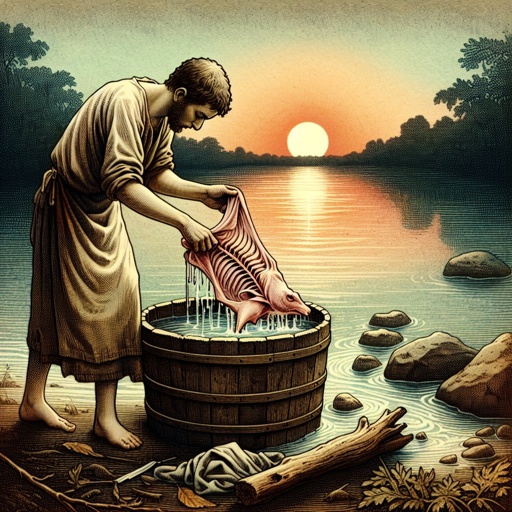
Leviticus 11:25 - "And whosoever beareth ought of the carcase of them shall wash his clothes, and be unclean until the even."

Leviticus 25:48 - "After that he is sold he may be redeemed again; one of his brethren may redeem him:"

Leviticus 25:36 - "Take thou no usury of him, or increase: but fear thy God; that thy brother may live with thee."

Leviticus 25:19 - "And the land shall yield her fruit, and ye shall eat your fill, and dwell therein in safety."

Leviticus 25:21 - "Then I will command my blessing upon you in the sixth year, and it shall bring forth fruit for three years."

Leviticus 25:37 - "Thou shalt not give him thy money upon usury, nor lend him thy victuals for increase."

Leviticus 23:25 - "Ye shall do no servile work therein: but ye shall offer an offering made by fire unto the LORD."

Leviticus 25:54 - "And if he be not redeemed in these years, then he shall go out in the year of jubile, both he, and his children with him."

Leviticus 25:53 - "And as a yearly hired servant shall he be with him: and the other shall not rule with rigour over him in thy sight."