Liberated to Live Upright: Understanding God’s Freedom
"I am the LORD your God, which brought you forth out of the land of Egypt, that ye should not be their bondmen; and I have broken the bands of your yoke, and made you go upright." - Leviticus 26:13
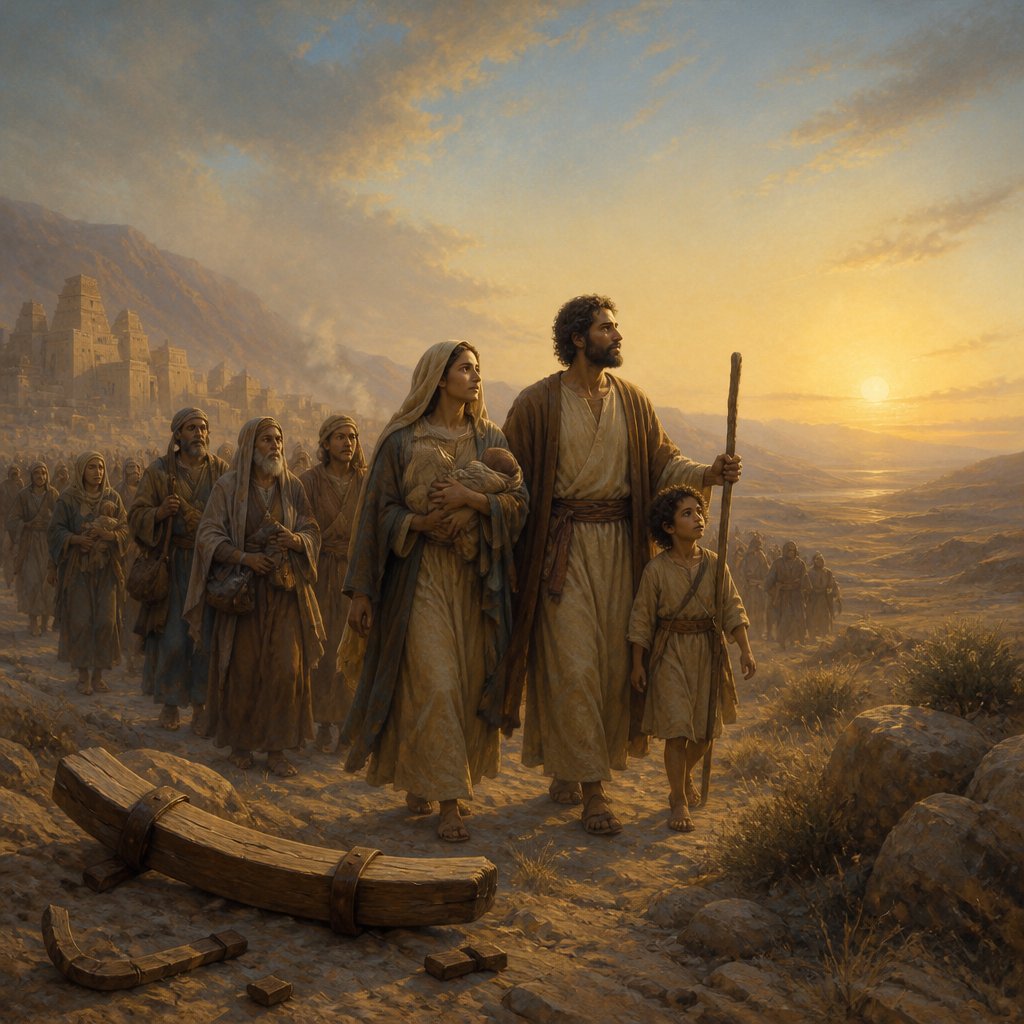
The verse chosen for our contemplation, Leviticus 26:13, states: "I am the LORD your God, which brought you forth out of the land of Egypt, that ye should not be their bondmen; and I have broken the bands of your yoke, and made you go upright."
This powerful declaration from God, delivered through Moses to the Israelites, is a profound reminder of the relationship between divine liberation and moral uprightness. It instructs us about the nature of our God, underlining His role as our liberator and the one who brings us towards a life that reflects His glory.
**The Context of Liberation**
Before we delve deeper into the meaning of this verse, it is essential to remember the historical backdrop against which these words were spoken. The Israelites had spent over four hundred years enslaved in Egypt, enduring harsh labor under the oppressive rule of Pharaoh. Their cries for deliverance did not go unheard, and God, in His sovereignty, intervened dramatically. He sent plagues, parted the Red Sea, and eventually led them into the wilderness toward the Promised Land.
God’s proclamation in Leviticus reminds the Israelites—and us—that He is not merely a God of distant power but one who actively engages in the affairs of His people. He is the Lord who desires freedom for all His creation. By saying, "I have broken the bands of your yoke," God is emphasizing His action in severing the ties of bondage. Each of us, in our own lives, has experienced yokes—habits, sins, and burdens—that bind us, preventing us from living in the fullness of what God intended.
**The Call to Righteousness**
The latter part of the verse, "and made you go upright," sheds light on the purpose of this liberation. What does it mean to go upright? It signifies more than just physical posture; it indicates living in alignment with God's will, walking in righteousness, and embracing a life that reflects His character. When God sets us free from the shackles of sin, His desire is not just for our freedom but for us to lead lives that resonate with justice, mercy, and holiness.
In our spiritual journey, we can easily fall into the trap of viewing freedom only in terms of what we are freed from—our old sins, unhealthy relationships, or destructive habits. However, the image of being made to walk upright calls us to consider what we are free for. Freedom in God’s eyes is not merely liberation from bondage but an invitation to a new way of life that glorifies Him. It involves active participation in becoming more like Christ—loving our neighbors, embracing forgiveness, and exercising compassion.
**Reflecting on God's Faithfulness**
As we meditate on this verse, we are invited to reflect on our own lives. In what areas has God delivered you? Are there yokes that still weigh you down? Commit to journaling your thoughts and prayers regarding the specific bondages you face. God’s promise is clear: He breaks the yokes. When we bring our struggles and limitations honestly before Him, we can trust in His power to free us.
Moreover, forging a strong relationship with God through prayer, scripture reading, and fellowship helps us to walk uprightly. Seeking His guidance and strength will enable us to live out the freedom He has provided, turning it into a lifestyle where we can truly serve Him and others.
**Conclusion**
Leviticus 26:13 is not just a historical reminder; it is a timeless truth that speaks to our identity in Christ. We are not merely called to be free individuals but free individuals who walk upright, reflecting God’s character in a world desperate for His light. Let us embrace this dual call of liberation and righteousness, choosing to live each day in the fullness of freedom that He has bestowed upon us.
Want to reflect more on Leviticus 26:13?
Continue your spiritual journey with Bible Chat — an AI-powered tool for exploring God's Word through conversation. Ask questions, discover connections, and deepen your understanding.
Get Our Apps


Leviticus 26:13 Artwork
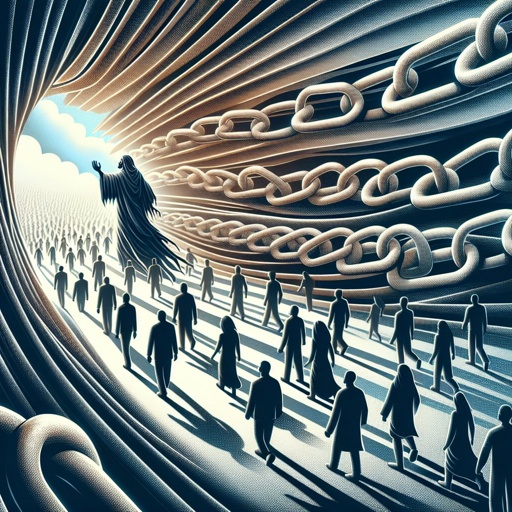
Leviticus 26:13 - "I am the LORD your God, which brought you forth out of the land of Egypt, that ye should not be their bondmen; and I have broken the bands of your yoke, and made you go upright."
"I am the LORD your God, which brought you forth out of the land of Egypt, that ye should not be their bondmen; and I have broken the bands of your yoke, and made you go upright." - Leviticus 26:13
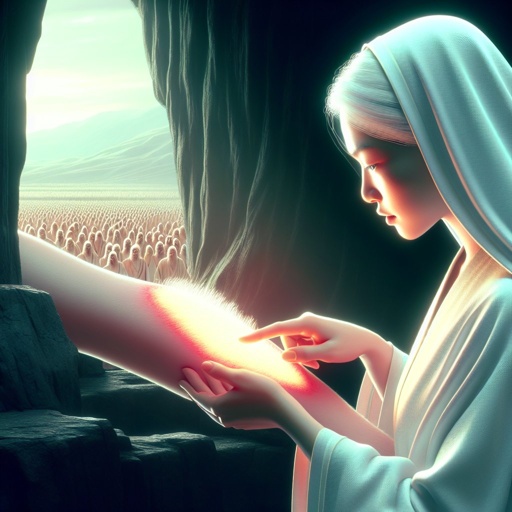
Leviticus 13:26 - "But if the priest look on it, and, behold, there be no white hair in the bright spot, and it be no lower than the other skin, but be somewhat dark; then the priest shall shut him up seven days:"

Leviticus 26: 4-6

Leviticus 26: 4-6
Leviticus 26: 4-6

Leviticus 23:26 - "¶ And the LORD spake unto Moses, saying,"

Leviticus 22:26 - "¶ And the LORD spake unto Moses, saying,"

Leviticus 26:14 - "¶ But if ye will not hearken unto me, and will not do all these commandments;"

Leviticus 25:26 - "And if the man have none to redeem it, and himself be able to redeem it;"

Leviticus 20:22-26 simple picture

Picture to summarize Leviticus 20:22-26

Leviticus 26:23 - "And if ye will not be reformed by me by these things, but will walk contrary unto me;"

Leviticus 26:3 - "¶ If ye walk in my statutes, and keep my commandments, and do them;"

Leviticus 14:26 - "And the priest shall pour of the oil into the palm of his own left hand:"

Leviticus 26:27 - "And if ye will not for all this hearken unto me, but walk contrary unto me;"

Leviticus 26:7 - "And ye shall chase your enemies, and they shall fall before you by the sword."

Leviticus 26:12 - "And I will walk among you, and will be your God, and ye shall be my people."

Leviticus 26:10 - "And ye shall eat old store, and bring forth the old because of the new."

Leviticus 26:11 - "And I will set my tabernacle among you: and my soul shall not abhor you."

Leviticus 26:2 - "¶ Ye shall keep my sabbaths, and reverence my sanctuary: I am the LORD."

Leviticus 26:32 - "And I will bring the land into desolation: and your enemies which dwell therein shall be astonished at it."

Leviticus 26:38 - "And ye shall perish among the heathen, and the land of your enemies shall eat you up."
"¶ And the LORD spake unto Moses, saying," - Leviticus 23:26

Leviticus 24:13 - "And the LORD spake unto Moses, saying,"
"¶ And the LORD spake unto Moses, saying," - Leviticus 22:26

Leviticus 7:26 - "Moreover ye shall eat no manner of blood, whether it be of fowl or of beast, in any of your dwellings."

Leviticus 6:26 - "The priest that offereth it for sin shall eat it: in the holy place shall it be eaten, in the court of the tabernacle of the congregation."

Leviticus 26:19 - "And I will break the pride of your power; and I will make your heaven as iron, and your earth as brass:"

Leviticus 21:13 - "And he shall take a wife in her virginity."