Returning to Covenant: The Power of Humility and Confession
“If they shall confess their iniquity, and the iniquity of their fathers, with their trespass which they trespassed against me, and that also they have walked contrary unto me; And that I also have walked contrary unto them, and have brought them into the land of their enemies; if then their uncircumcised hearts be humbled, and they then accept of the punishment of their iniquity: Then will I remember my covenant with Jacob, and also my covenant with Isaac, and also my covenant with Abraham will I remember; and I will remember the land.” — Leviticus 26:40-42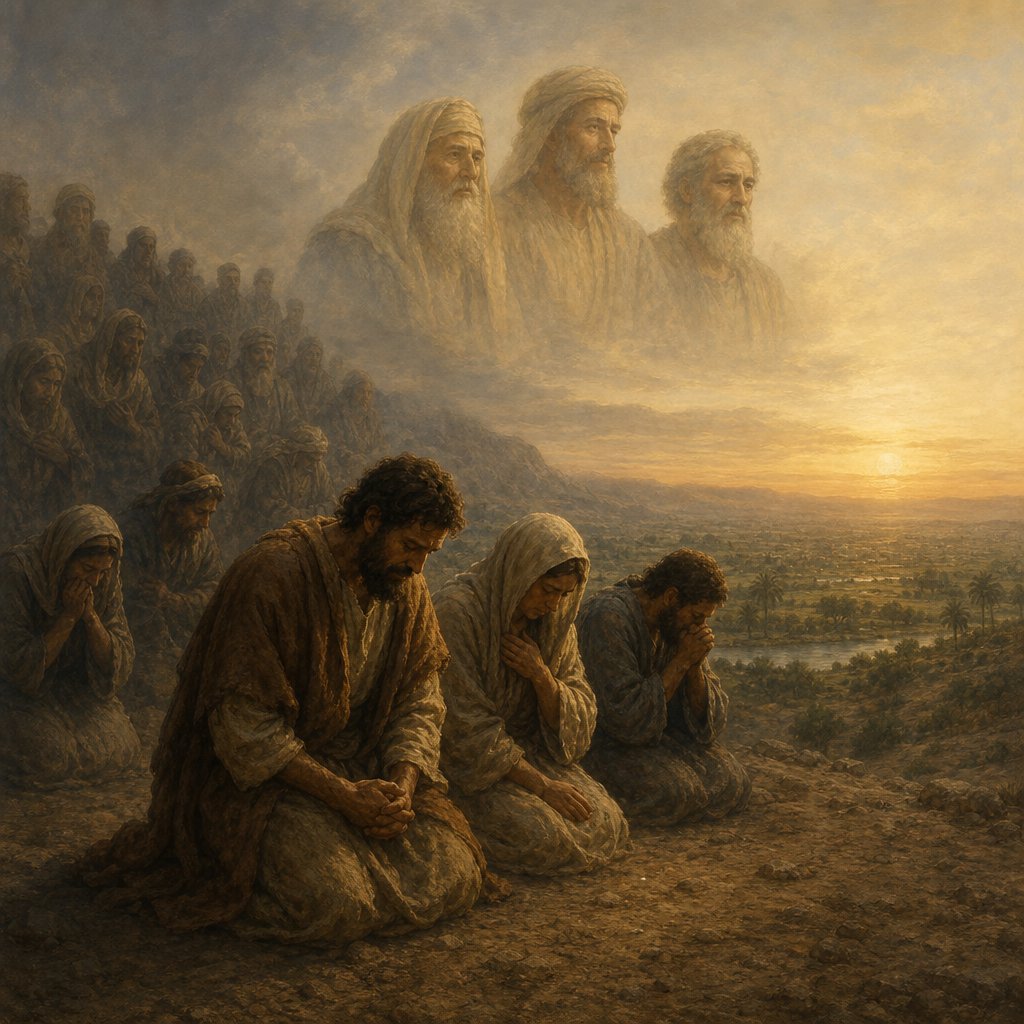
In the book of Leviticus, we encounter a profound call to repentance, humility, and the hope of restoration. The verses 26:40-42 present a powerful picture of God’s desire to redeem and forgive His people despite their waywardness. This text compels us to reflect deeply on the themes of confession, humility, divine judgment, and the faithfulness of God to His covenant.
In verse 40, we read, "If they shall confess their iniquity, and the iniquity of their fathers, with their trespass which they trespassed against me, and that also they have walked contrary unto me;" This invitation to confession signals the importance of acknowledging not just our own sins, but also the transgressions of our forebears. This communal aspect of confession reminds us that we are part of a larger narrative, often bearing the consequences of collective sins, yet still called to accountability. When we confess, we must confront the wrongs not just done by us, but also inherited, recognizing that sin has rippling effects that can span generations.
God’s requirement for confession suggests a posture of humility. When we approach Him with broken hearts, recognizing our faults, we position ourselves for transformation. The act of confession is not merely about admitting wrongdoings; it is an acknowledgment of our need for God’s grace. Only through humility can we expect to receive the fullness of God’s mercy. This process is essential—not to heighten our shame but to release us from it and draw us closer to our Creator.
Moving to verse 41, we see a critical depiction of the consequences of disobedience: "And that I also have walked contrary unto them, and have brought them into the land of their enemies; if then their uncircumcised hearts be humbled, and they then accept of the punishment of their iniquity." Here, God reveals a reciprocal dynamic—our actions lead to certain consequences. In turning away from God, His people find themselves in places of distress, far from their promised land. Yet, there’s hope embedded in the promise that if they can humble their hearts and recognize the justness of their circumstances, forgiveness is on the horizon.
This brings us to the significance of an "uncircumcised heart." The concept of circumcision in Hebrew culture refers to a sign of covenant, commitment, and purity. An uncircumcised heart signifies hardness, indifference, and a lack of spiritual sensitivity. Humbling our hearts to accept the reality of our mistakes is a precursor to restoration. God desires hearts that are tender and responsive, not calloused or proud. This humility is what paves the way for a renewed relationship with Him.
Finally, in verse 42, we are reminded of God’s unwavering faithfulness: "Then will I remember my covenant with Jacob, and also my covenant with Isaac, and also my covenant with Abraham will I remember; and I will remember the land." Here lies the glorious truth that despite humanity’s failures, God’s promises remain intact. His remembrance of covenant reveals not only His memory but also His relentless love for His people. Abraham, Isaac, and Jacob were not perfect men, yet God was faithful to them and their descendants.
What we learn from these verses is that our journey back to God is possible through humility, confession, and a recognition of our shared history. No matter how far we stray, the door to reconciliation remains open through sincere repentance. In each act of confession, there is an avenue to experience divine mercy. As we recognize the depth of our sin and the glory of His covenant love, let us approach Him with humble hearts, trusting in the unchanging faithfulness of our God.
Today, take time to reflect on your own heart. Are there areas in your life where confession is needed? Have you been holding onto the burdens of both personal and collective iniquities? Let this scripture resonate in your spirit, encouraging you to turn back to God who remembers His covenant, who desires to restore you and give you the hope of redemption.
Get our apps


Artwork for Leviticus 26:40-42

Leviticus 26:40-42 - ""But if they confess their iniquity and the iniquity of their fathers in their treachery that they committed against me, and also in walking contrary to me, so that I walked contrary to them and brought them into the land of their enemies—if then their uncircumcised heart is humbled and they make amends for their iniquity, then I will remember my covenant with Jacob, and I will remember my covenant with Isaac and my covenant with Abraham, and I will remember the land.""
""But if they confess their iniquity and the iniquity of their fathers in their treachery that they committed against me, and also in walking contrary to me, so that I walked contrary to them and brought them into the land of their enemies—if then their uncircumcised heart is humbled and they make amends for their iniquity, then I will remember my covenant with Jacob, and I will remember my covenant with Isaac and my covenant with Abraham, and I will remember the land."" - Leviticus 26:40-42

Leviticus 26:40 - "If they shall confess their iniquity, and the iniquity of their fathers, with their trespass which they trespassed against me, and that also they have walked contrary unto me;"

Leviticus 26:42 - "Then will I remember my covenant with Jacob, and also my covenant with Isaac, and also my covenant with Abraham will I remember; and I will remember the land."

Isaiah 40:26

isaiah 40:26
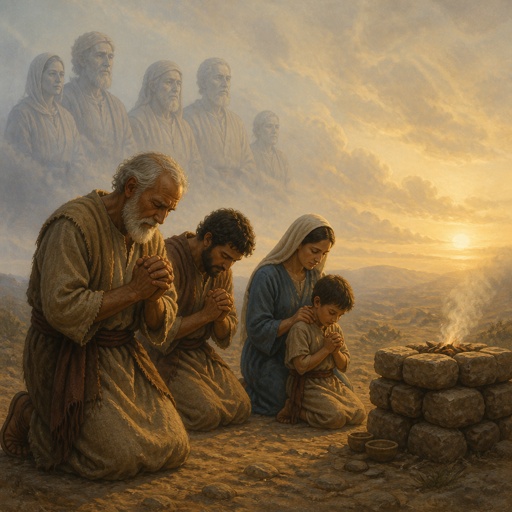
"If they shall confess their iniquity, and the iniquity of their fathers, with their trespass which they trespassed against me, and that also they have walked contrary unto me;" - Leviticus 26:40

Genesis 42:26 - "And they laded their asses with the corn, and departed thence."

"Then will I remember my covenant with Jacob, and also my covenant with Isaac, and also my covenant with Abraham will I remember; and I will remember the land." - Leviticus 26:42

Leviticus 23:42 - "Ye shall dwell in booths seven days; all that are Israelites born shall dwell in booths:"

Leviticus 25:42 - "For they are my servants, which I brought forth out of the land of Egypt: they shall not be sold as bondmen."

Exodus 40:26 - "¶ And he put the golden altar in the tent of the congregation before the vail:"

Numbers 26:42 - "¶ These are the sons of Dan after their families: of Shuham, the family of the Shuhamites. These are the families of Dan after their families."

Leviticus 25:40 - "But as an hired servant, and as a sojourner, he shall be with thee, and shall serve thee unto the year of jubile:"

Leviticus 13:40 - "And the man whose hair is fallen off his head, he is bald; yet is he clean."

"And they laded their asses with the corn, and departed thence." - Genesis 42:26

Leviticus 13:42 - "And if there be in the bald head, or bald forehead, a white reddish sore; it is a leprosy sprung up in his bald head, or his bald forehead."

Leviticus 26: 4-6

Leviticus 26: 4-6
Leviticus 26: 4-6

Leviticus 14:42 - "And they shall take other stones, and put them in the place of those stones; and he shall take other morter, and shall plaister the house."

Numbers 26:40 - "And the sons of Bela were Ard and Naaman: of Ard, the family of the Ardites: and of Naaman, the family of the Naamites."

Leviticus 23:26 - "¶ And the LORD spake unto Moses, saying,"

Leviticus 14:40 - "Then the priest shall command that they take away the stones in which the plague is, and they shall cast them into an unclean place without the city:"

Ezekiel 40:42 - "And the four tables were of hewn stone for the burnt offering, of a cubit and an half long, and a cubit and an half broad, and one cubit high: whereupon also they laid the instruments wherewith they slew the burnt offering and the sacrifice."

Leviticus 22:26 - "¶ And the LORD spake unto Moses, saying,"

Leviticus 26:14 - "¶ But if ye will not hearken unto me, and will not do all these commandments;"

Leviticus 25:26 - "And if the man have none to redeem it, and himself be able to redeem it;"

Leviticus 20:22-26 simple picture

Picture to summarize Leviticus 20:22-26