The Sacredness of Devotion: Understanding Leviticus 27:28
"Notwithstanding no devoted thing, that a man shall devote unto the LORD of all that he hath, both of man and beast, and of the field of his possession, shall be sold or redeemed: every devoted thing is most holy unto the LORD." - Leviticus 27:28
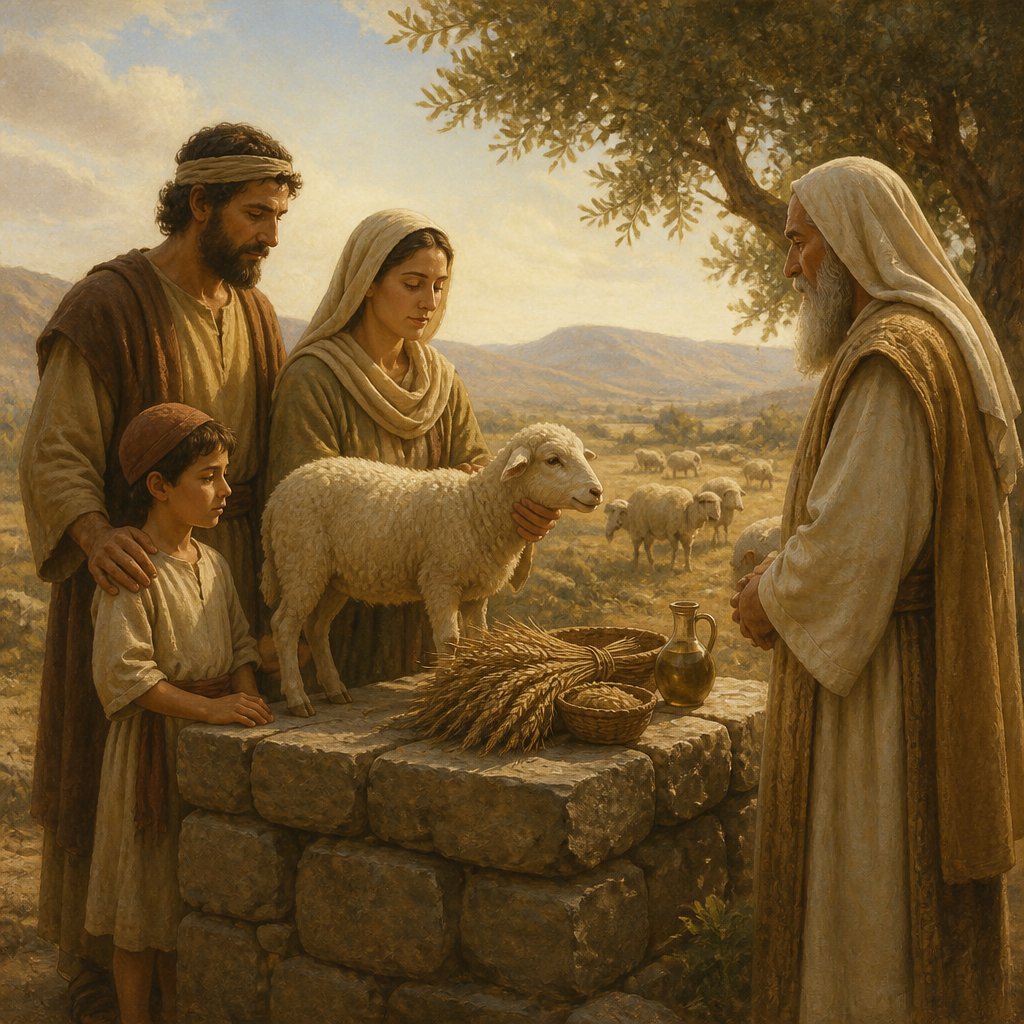
In the heart of Leviticus, where laws and commandments weave the fabric of Israel’s life, we encounter a profound truth in Leviticus 27:28: "Notwithstanding no devoted thing, that a man shall devote unto the LORD of all that he hath, both of man and beast, and of the field of his possession, shall be sold or redeemed: every devoted thing is most holy unto the LORD."
This verse speaks volumes about what it means to devote something to God, highlighting not just an act of giving, but an acknowledgment of God’s sovereignty over what we possess. At its core, this passage serves as a reminder of the terms of Divine ownership. Everything we possess is ultimately a gift from the Lord, and when we offer a portion of it back to Him, we are recognizing His lordship in our lives.
To fully grasp the significance of Leviticus 27:28, we must first understand the context of 'devotion.' In ancient Israel, a devoted thing—or a 'herem'—was something dedicated specifically to God, rendered for His purposes alone. The implications of this were profound. By dedicating a man, beast, or even land as devoted, the person was expressing that these items were set apart for the service and honor of God. This act of devotion was sacred and irrevocable, suggesting that the offering was a manifestation of a deeper spiritual commitment.
When we reflect on the phrase, "most holy unto the LORD," we come face-to-face with the nature of holiness itself. Holiness is the distinct quality of God; it speaks of His purity, perfection, and separation from sin. When we classify something as 'most holy,' we are indicating that it bears a weighty significance in the eyes of God. In this ancient framework, to treat something that has been devoted to God lightly, by selling or redeeming it, would not only diminish its value but also insult the very character of God.
As modern believers, the question arises: how do we apply this ancient statute in our lives today? The concept of devotion is just as relevant now as it was then. In a society that often prioritizes personal gain above all else, we are called to evaluate how we regard what we have. Are our possessions, skills, and even our relationships viewed through the lens of divine stewardship? Are we willing to devote these aspects of our lives to the Lord for His glory?
Consider your resources: your time, your talent, your finances—have you devoted these to the Lord, recognizing them as His? When we set apart resources for God’s purposes, we acknowledge that they rightfully belong to Him. This practice leads to a life that is not just focused on our own needs, but also on serving others and participating in God’s work in the world.
Devotion also infers an act of trust. When we devote our possessions to the Lord, we relinquish control, trusting that He knows how to manage what we have better than we do. This can be intimidating; it goes against our inherent desire for ownership and control. Yet, the act of letting go invites God into our lives in profound ways. It allows us to see the fruit of faithfulness as we watch Him multiply what we have given for His Kingdom.
In conclusion, Leviticus 27:28 is not merely an archaic rule but a heartfelt instruction that points us to the essence of God’s character and our calling as His people. We are beckoned to enter into a relationship of devotedness, where we honor God by recognizing that all we have is 'most holy' unto the LORD. Let us strive to cultivate a heart of devotion, allowing it to permeate every aspect of our lives, as we dedicate ourselves wholly to His service.
Want to reflect more on Leviticus 27:28?
Continue your spiritual journey with Bible Chat — an AI-powered tool for exploring God's Word through conversation. Ask questions, discover connections, and deepen your understanding.
Get Our Apps


Leviticus 27:28 Artwork

Leviticus 27:28 - "Notwithstanding no devoted thing, that a man shall devote unto the LORD of all that he hath, both of man and beast, and of the field of his possession, shall be sold or redeemed: every devoted thing is most holy unto the LORD."
"Notwithstanding no devoted thing, that a man shall devote unto the LORD of all that he hath, both of man and beast, and of the field of his possession, shall be sold or redeemed: every devoted thing is most holy unto the LORD." - Leviticus 27:28

Leviticus 27

Leviticus 27

Leviticus 27

Leviticus 7:28 - "¶ And the LORD spake unto Moses, saying,"

Leviticus 27:1 - "And the LORD spake unto Moses, saying,"

Proverbs 17:27-28

Proverbs 17:27-28

Exodus 23:27-28

Proverbs 17:27-28

Leviticus 27:4 - "And if it be a female, then thy estimation shall be thirty shekels."

Luke 13:28-27

Luke 13:28-27

Luke 13:28-27

Leviticus 27:27 - "And if it be of an unclean beast, then he shall redeem it according to thine estimation, and shall add a fifth part of it thereto: or if it be not redeemed, then it shall be sold according to thy estimation."

Matthew 27:28 - "And they stripped him, and put on him a scarlet robe."

Leviticus 26:27 - "And if ye will not for all this hearken unto me, but walk contrary unto me;"

Leviticus 27:34 - "These are the commandments, which the LORD commanded Moses for the children of Israel in mount Sinai."

Ezekiel 27:28 - "The suburbs shall shake at the sound of the cry of thy pilots."

Leviticus 22:28 - "And whether it be cow or ewe, ye shall not kill it and her young both in one day."

Leviticus 27:25 - "And all thy estimations shall be according to the shekel of the sanctuary: twenty gerahs shall be the shekel."

"¶ And the LORD spake unto Moses, saying," - Leviticus 7:28

Job 28:27 - "Then did he see it, and declare it; he prepared it, yea, and searched it out."

Leviticus 27:13 - "But if he will at all redeem it, then he shall add a fifth part thereof unto thy estimation."

Leviticus 27:30 - "And all the tithe of the land, whether of the seed of the land, or of the fruit of the tree, is the LORD'S: it is holy unto the LORD."

Leviticus 27:17 - "If he sanctify his field from the year of jubile, according to thy estimation it shall stand."

Leviticus 18:27 - "(For all these abominations have the men of the land done, which were before you, and the land is defiled;)"

"And the LORD spake unto Moses, saying," - Leviticus 27:1

Leviticus 27:31 - "And if a man will at all redeem ought of his tithes, he shall add thereto the fifth part thereof."