Offering Fine Flour: A Heart of Worship
"And when any will offer a meat offering unto the LORD, his offering shall be of fine flour; and he shall pour oil upon it, and put frankincense thereon:" - Leviticus 2:1
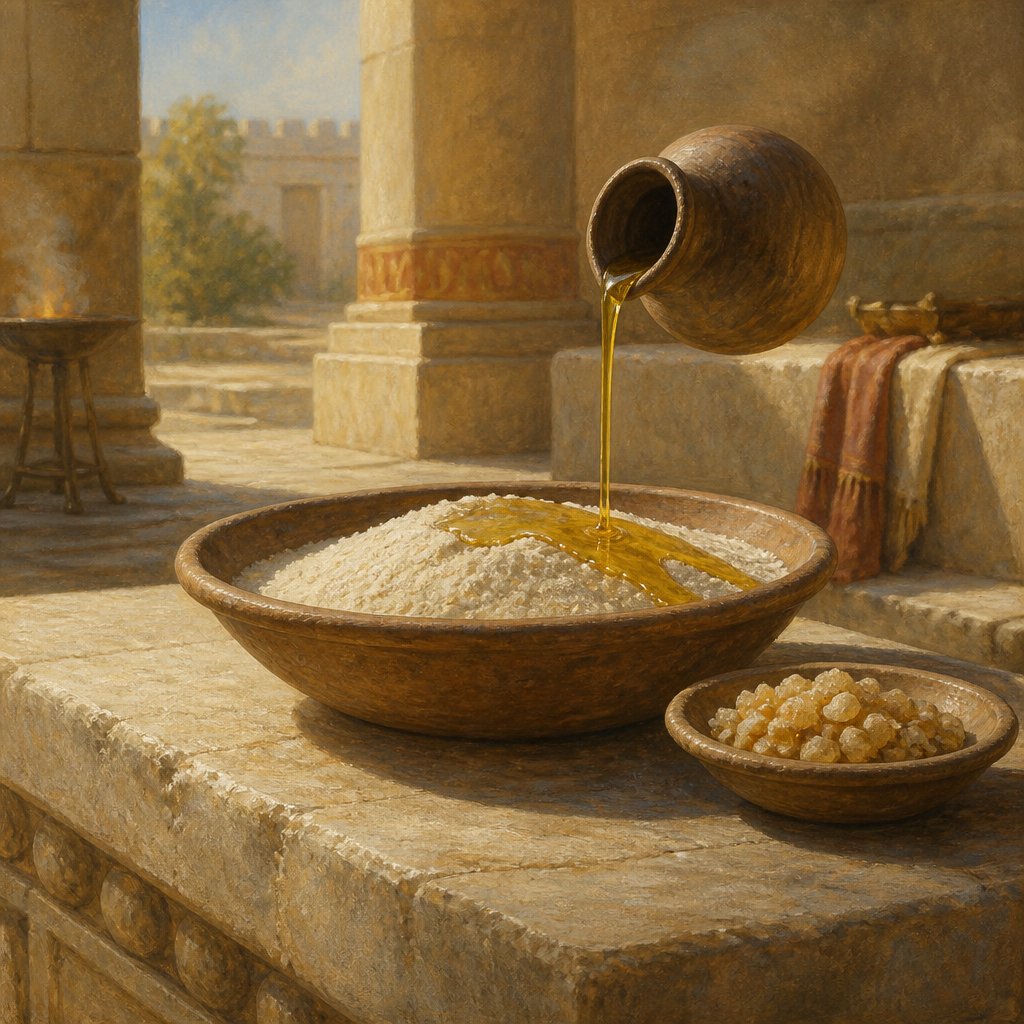
The book of Leviticus is often considered one of the most challenging texts for modern readers. It details the laws and regulations governing the worship life of Israel, rendering an image of a God who is both holy and demanding. Leviticus 2:1 presents us with a specific directive: "And when any will offer a meat offering unto the LORD, his offering shall be of fine flour; and he shall pour oil upon it, and put frankincense thereon." This verse encapsulates foundational principles of worship, each element serving as a profound symbol that resonates throughout Scripture and invites us into a deeper understanding of our relationship with the Lord.
First, we note that the offering to God is not merely a task to fulfill; it begins with the voluntary will of the worshiper. "And when any will offer…" (Lev. 2:1 KJV). This phrase signifies that worship is a matter of the heart. It illustrates that God desires offerings that stem from genuine desire and personal devotion, not mere obligation. As we reflect on our own lives, how often do our offerings before the Lord resemble something we feel we must do rather than something we long to do? God longs for our hearts to be involved in our worship. David, a man after God’s own heart, demonstrates this in his psalms, where his delights revolve around anticipating and experiencing the presence of God, regardless of the circumstances surrounding him.
Next comes the instruction regarding the quality of the offering: it must be of "fine flour." Fine flour represents the best of the harvest—a pure and unblemished product. It symbolizes the quality God desires in our lives. In our offerings of time, talent, and treasure, God doesn’t seek our leftovers or what we discard; He desires our finest. The parable of the widow's mite (Mark 12:41-44) illustrates this beautifully. The widow offered two copper coins—her entire living—but in God’s eyes, her sacrifice held far greater value than the ostentatious gifts of the wealthy because it came from her heart. In our devotional life, we must ask ourselves what we are bringing to God. Are we giving Him the finest parts of ourselves? Are we living intentionally, ensuring our hearts, intentions, and offerings reflect our best for Him?
In addition to the fine flour, we are instructed to pour oil upon it. Oil in biblical times was a symbol of wealth, blessing, and the presence of the Holy Spirit. The practice of anointing with oil signifies something being set apart for God. When we pour oil upon our offerings, we invite the Holy Spirit’s presence to infuse what we give with divine significance. It reminds us that without the Holy Spirit, our efforts can be in vain. In our contemporary worship practices, are we inviting the Holy Spirit to be part of what we offer? Are we allowing Him to enrich our worship experience and the acts of service we provide? As we engage in our daily lives, we must remember to actively seek the empowering presence of the Holy Spirit.
Lastly, the addition of frankincense completes our offering. Frankincense, a resin used in incense, symbolizes prayer and the sweet fragrance of worship rising to God. This fragrant offering represents our prayers and our praises. Revelation 5:8 depicts the prayers of the saints as golden bowls full of incense before the throne of God. In bringing frankincense to our offerings, we acknowledge that worship is not a mere transaction; it is an intimate relationship involving conversation and communion with our Creator. Our prayers, our desires, and our longings become part of our offerings.
As we ponder Leviticus 2:1, let’s commit to offering God our finest, inviting the Holy Spirit into our lives, and letting our prayers rise as a fragrant offering. May we cultivate a heart of worship that encompasses our entire being—where our lives become the ultimate offering, replete with fine flour, oil, and frankincense, reflecting our love and devotion to God in all we do.
Want to reflect more on Leviticus 2:1?
Continue your spiritual journey with Bible Chat — an AI-powered tool for exploring God's Word through conversation. Ask questions, discover connections, and deepen your understanding.
Get Our Apps


Leviticus 2:1 Artwork

Leviticus 2:1 - "And when any will offer a meat offering unto the LORD, his offering shall be of fine flour; and he shall pour oil upon it, and put frankincense thereon:"
"And when any will offer a meat offering unto the LORD, his offering shall be of fine flour; and he shall pour oil upon it, and put frankincense thereon:" - Leviticus 2:1

Leviticus 1:2 - "Speak unto the children of Israel, and say unto them, If any man of you bring an offering unto the LORD, ye shall bring your offering of the cattle, even of the herd, and of the flock."

Leviticus 23:21

Leviticus 14:51

Leviticus 23:21

Leviticus 23:20

Leviticus 23:21

Leviticus 23:21

Leviticus 23:21

Leviticus 23:21
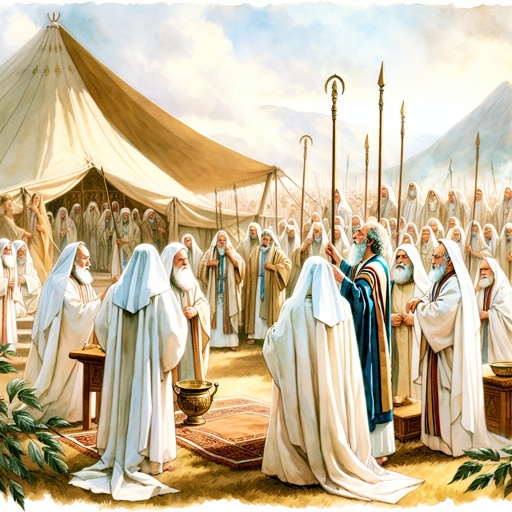
Leviticus 8:1-12

Leviticus 23:15-22

Leviticus 23:17-22

Leviticus 14:1 - "And the LORD spake unto Moses, saying,"

Leviticus 23:1 - "And the LORD spake unto Moses, saying,"

Leviticus 20:1 - "And the LORD spake unto Moses, saying,"

Leviticus 4:1 - "And the LORD spake unto Moses, saying,"

Leviticus 1:1 - "And the LORD called unto Moses, and spake unto him out of the tabernacle of the congregation, saying,"

Leviticus 8:1 - "And the LORD spake unto Moses, saying,"

Leviticus 17:1 - "And the LORD spake unto Moses, saying,"

Leviticus 24:1 - "And the LORD spake unto Moses, saying,"

Leviticus 22:1 - "And the LORD spake unto Moses, saying,"

Leviticus 18:1 - "And the LORD spake unto Moses, saying,"

Leviticus 6:1 - "And the LORD spake unto Moses, saying,"

Leviticus 27:1 - "And the LORD spake unto Moses, saying,"

Leviticus 19:1 - "And the LORD spake unto Moses, saying,"

Leviticus 12:1 - "And the LORD spake unto Moses, saying,"

Leviticus 15:1 - "And the LORD spake unto Moses and to Aaron, saying,"

Leviticus 13:1 - "And the LORD spake unto Moses and Aaron, saying,"