The Fragrance of Faith: Offering Our Lives to God
"And thou shalt bring the meat offering that is made of these things unto the LORD: and when it is presented unto the priest, he shall bring it unto the altar." - Leviticus 2:8
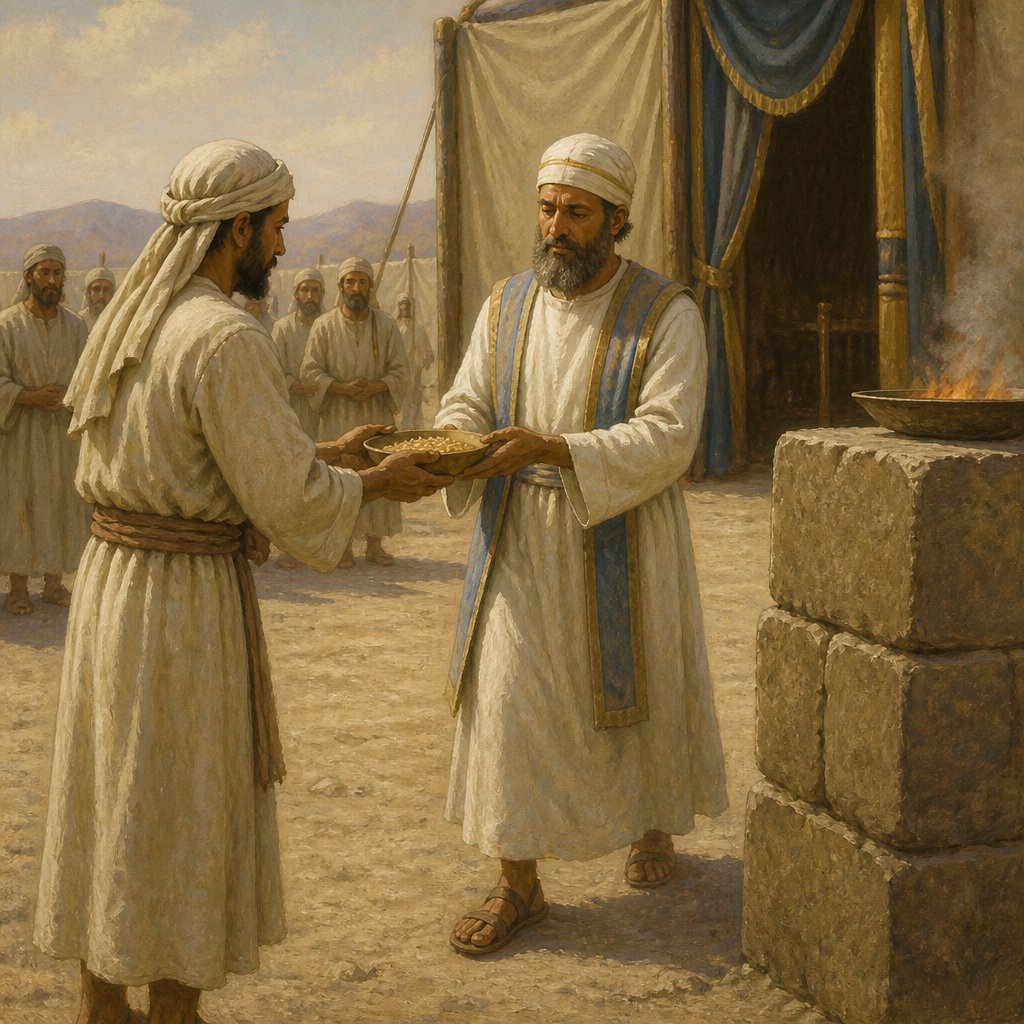
Leviticus 2:8 states, "And thou shalt bring the meat offering that is made of these things unto the LORD: and when it is presented unto the priest, he shall bring it unto the altar." This seemingly straightforward directive from God to the Israelites is rich with theological significance and spiritual implications for us today.
In the ancient context, the meat offering (often referred to as a grain offering, bringing forth our best meal offerings) was a key element of worship. It signified the gratitude of the people toward God for His sustenance and provision. The act of bringing an offering was more than just a ritual; it was a declaration of dependence on God, acknowledging that everything we have comes from His gracious hand. Today, we don’t bring grains and meat offerings; however, our sacrificial expressions of worship should reflect the same heart of gratitude and submission to the Lord.
The specificity of the instruction is noteworthy. God instructed His people on how to prepare these offerings, what grain to use, the proportions, and the accompanying practices that were to be followed. The act of presenting the offering at the altar by the priest underscores the mediation between man and God. Just as only the priest had the privilege of approaching the altar with the offering, we must realize that Jesus Christ serves as our ultimate High Priest. He is the Mediator who presents our offerings to the Father.
As we reflect on this verse, we can observe several principles that bear relevance to our lives when we consider what it means to offer ourselves to God:
1. **The Intent of the Offering:**
The meat offering was to be presented willingly, with a heart of gratitude and honor toward God. God desires our hearts more than our possessions or outward expressions. Are we offering our lives to God with genuine intent, desiring to bring Him glory, or are we merely going through the motions? This calls us to assess our motives in our service and worship.
2. **The Act of Presentation:**
When the Israelite presented the offering, it wasn’t just about bringing the grain; it was about physically acknowledging God’s provision. Today, we must embody this act of presentation by consciously laying our lives on the spiritual altar, bringing our talents, time, and treasures before God. Romans 12:1 reminds us to present our bodies as a living sacrifice, wholly acceptable unto God, which is our reasonable service.
3. **The Role of the Priest:**
This aspect reminds us of the community of faith. Just as the priest had a role in the act of offering, we need spiritual leaders, mentors, and fellow believers who guide us and support our walk with God. Being part of a church community strengthens our ability to offer ourselves to God more fully and responsibly.
4. **The Altar of Acceptance:**
The altar symbolizes the meeting point between God and man. When our offerings are presented with a heart of worship, there is a sweet aroma that rises to the Lord, indicating His pleasure in our surrender. God accepts our offerings not based on their size or perceived value, but on the heart and faith behind them. When we come before Him honestly, He embraces us and our offerings—no matter how small they may seem to us.
Thus, as we meditate on Leviticus 2:8, let us be motivated to bring our offerings—not limited to material goods but incorporating all aspects of our lives—before the LORD. May every thought, action, and intention we entertain be a fragrant offering, pleasing and acceptable to Him. Like the Israelites, let us cultivate a daily habit of presenting our lives on the altar, affirming our dependency on His grace and mercy.
Want to reflect more on Leviticus 2:8?
Continue your spiritual journey with Bible Chat — an AI-powered tool for exploring God's Word through conversation. Ask questions, discover connections, and deepen your understanding.
Get Our Apps


Leviticus 2:8 Artwork

Leviticus 2:8 - "And thou shalt bring the meat offering that is made of these things unto the LORD: and when it is presented unto the priest, he shall bring it unto the altar."
"And thou shalt bring the meat offering that is made of these things unto the LORD: and when it is presented unto the priest, he shall bring it unto the altar." - Leviticus 2:8

Leviticus 8:2 - "Take Aaron and his sons with him, and the garments, and the anointing oil, and a bullock for the sin offering, and two rams, and a basket of unleavened bread;"

Leviticus 16:8

Leviticus 8:30
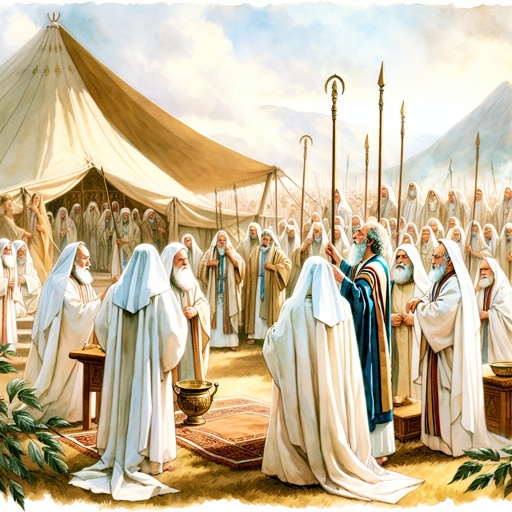
Leviticus 8:1-12

Leviticus 8:8 - "And he put the breastplate upon him: also he put in the breastplate the Urim and the Thummim."

Leviticus 6:8 - "¶ And the LORD spake unto Moses, saying,"
Leviticus 10:8 - "¶ And the LORD spake unto Aaron, saying,"

Leviticus 8:1 - "And the LORD spake unto Moses, saying,"

Leviticus 8:32 - "And that which remaineth of the flesh and of the bread shall ye burn with fire."

Leviticus 8:6 - "And Moses brought Aaron and his sons, and washed them with water."

Leviticus 8:19 - "And he killed it; and Moses sprinkled the blood upon the altar round about."

Leviticus 8:3 - "And gather thou all the congregation together unto the door of the tabernacle of the congregation."

Leviticus 8:5 - "And Moses said unto the congregation, This is the thing which the LORD commanded to be done."

Leviticus 8:20 - "And he cut the ram into pieces; and Moses burnt the head, and the pieces, and the fat."

Leviticus 18:8 - "The nakedness of thy father's wife shalt thou not uncover: it is thy father's nakedness."
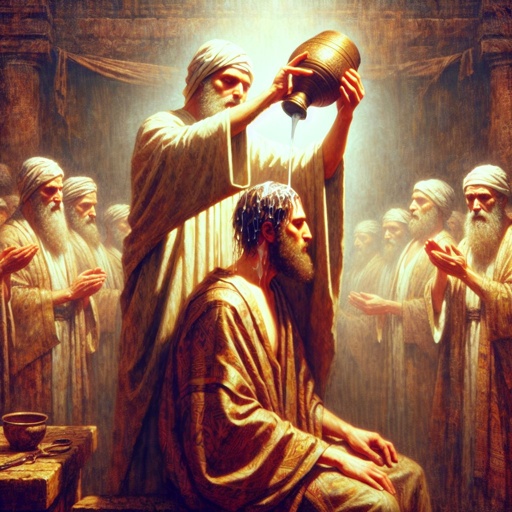
Leviticus 8:12 - "And he poured of the anointing oil upon Aaron's head, and anointed him, to sanctify him."

Leviticus 9:8 - "¶ Aaron therefore went unto the altar, and slew the calf of the sin offering, which was for himself."

Leviticus 8:10 - "And Moses took the anointing oil, and anointed the tabernacle and all that was therein, and sanctified them."

Leviticus 11:8 - "Of their flesh shall ye not eat, and their carcase shall ye not touch; they are unclean to you."

Leviticus 8:36 - "So Aaron and his sons did all things which the LORD commanded by the hand of Moses."
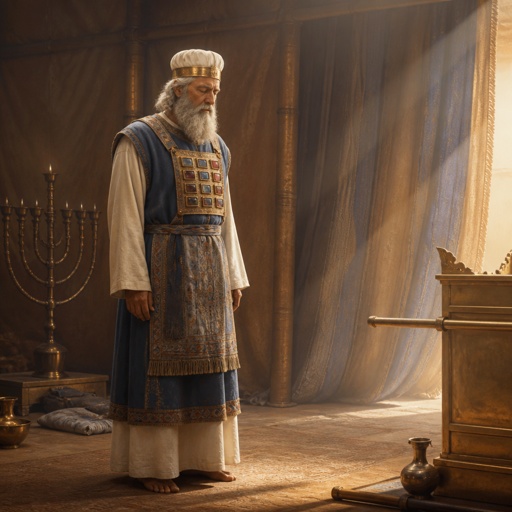
"¶ And the LORD spake unto Aaron, saying," - Leviticus 10:8
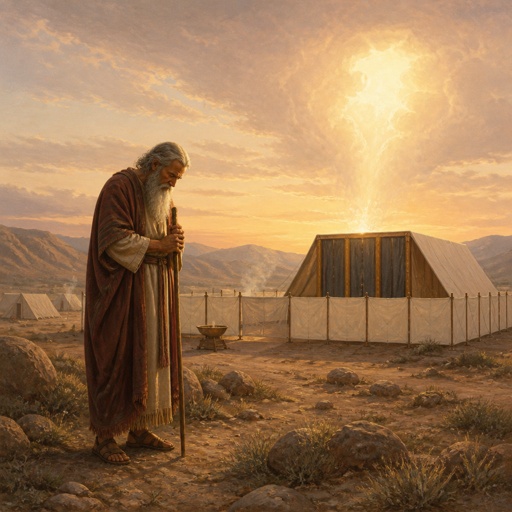
"¶ And the LORD spake unto Moses, saying," - Leviticus 6:8

"And the LORD spake unto Moses, saying," - Leviticus 8:1

Leviticus 20:8 - "And ye shall keep my statutes, and do them: I am the LORD which sanctify you."

Leviticus 8:18 - "¶ And he brought the ram for the burnt offering: and Aaron and his sons laid their hands upon the head of the ram."

Leviticus 8:34 - "As he hath done this day, so the LORD hath commanded to do, to make an atonement for you."

Leviticus 8:4 - "And Moses did as the LORD commanded him; and the assembly was gathered together unto the door of the tabernacle of the congregation."

Leviticus 13:8 - "And if the priest see that, behold, the scab spreadeth in the skin, then the priest shall pronounce him unclean: it is a leprosy."