Covenants and Comprehensions: Understanding Holiness in Leviticus 3:17
“It shall be a perpetual statute for your generations throughout all your dwellings, that ye eat neither fat nor blood.” — Leviticus 3:17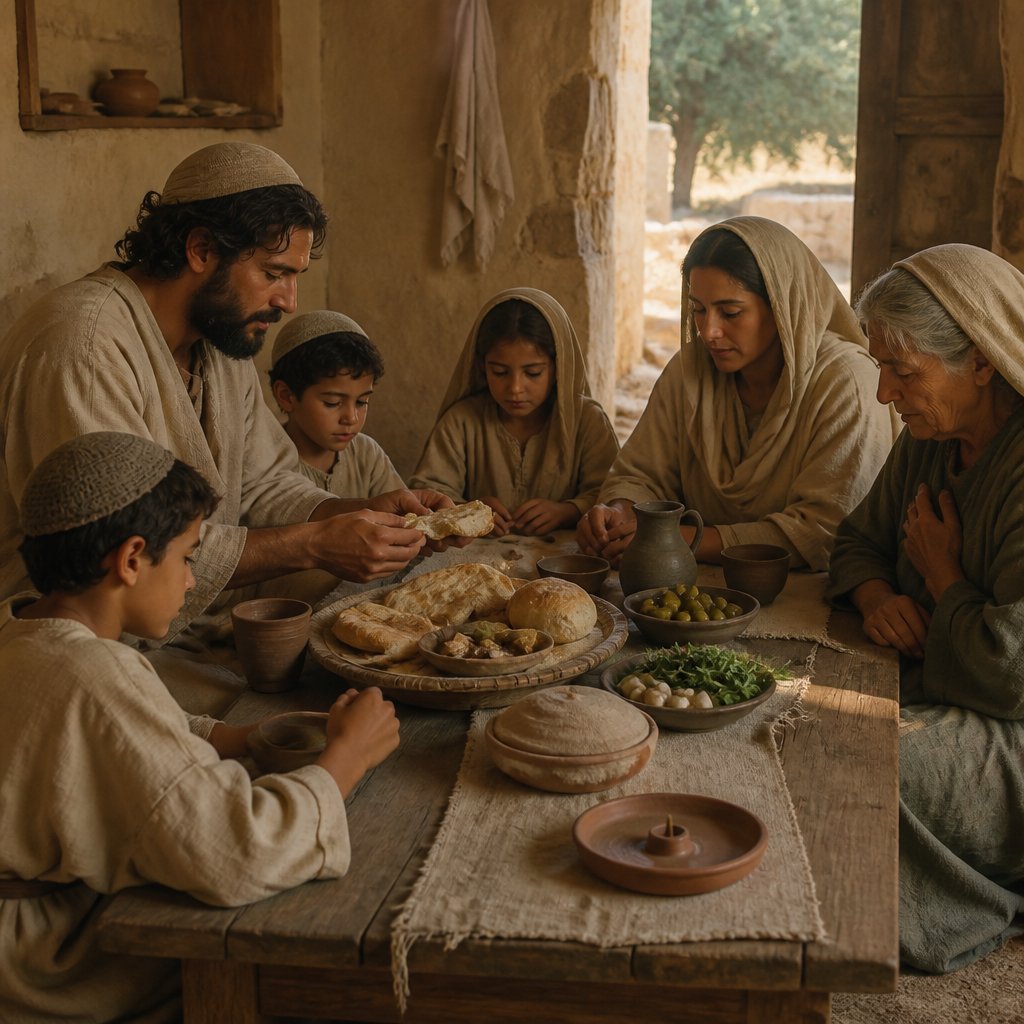
Leviticus 3:17 states, "It shall be a perpetual statute for your generations throughout all your dwellings, that ye eat neither fat nor blood." This command, nestled within the intricate tapestry of laws given to the Israelites, carries profound implications, both for ancient worship and for contemporary spirituality.
As we explore this verse, we recognize the context in which it was written. The Book of Leviticus is often viewed as the handbook for the priests and the people of Israel. It underscores the importance of holiness, offering guidelines for worship, sacrifice, and personal conduct. The call to avoid fat and blood, therefore, serves not only as a dietary restriction but also as a spiritual directive meant to cultivate a deeper understanding of the holiness of God.
In ancient Israel, fat was regarded as the best part of the offering. It symbolized abundance and was often reserved for God during sacrifices. By commanding that the people abstain from it, God was establishing a principle that the highest forms of worship required a surrender of what might personally satisfy. This element of the sacrifice represents the prioritization of God and His holiness over human desire. It serves as a lesson that authentic worship often requires self-denial and a willingness to set aside personal pleasures in favor of honoring God.
Additionally, blood in the Scriptures symbolizes life. The prohibition against consuming blood underscores the sacredness of life itself. In Leviticus, God emphasizes that the life of the flesh is in the blood, stating in Leviticus 17:11, "For the life of the flesh is in the blood: and I have given it to you upon the altar to make an atonement for your souls: for it is the blood that maketh an atonement for the soul." Here, blood is intricately linked with atonement, covenant, and sacrifice, indicating its significance in maintaining the relationship between God and His people.
Thus, when God commands His people to abstain from eating blood, He is reminding them of the covenant they share—a covenant that is marked by sacrifice and holiness. This command invites us to reflect on how we honor our own commitments to God today. Do we treat our covenant with God with the seriousness it deserves? Or have we allowed cultural norms and personal desires to dilute our commitment to holiness?
The phrase "perpetual statute" emphasizes the ongoing nature of this command—it was not merely for the Israelites but for all generations. It encourages us to understand that God’s principles transcend time. As we navigate the challenges of our modern lives, the essence of Leviticus 3:17 applies: we are called to strive for holiness by rejecting what is not aligned with God’s standards. Our choices—what we consume, how we behave, how we reflect God’s image—should demonstrate a respect for His commands that has an eternal significance.
In this light, let us examine our lives and ask ourselves, what are the ‘fats’ and ‘bloods’ that we consume? These could be anything that distracts us from God’s will, be it material possessions, unhealthy relationships, or behaviors that draw us away from a holy life. When we engage in spiritual disciplines—prayer, fasting, service—we are intentionally choosing a path of surrender and reverence. These actions can help purify our hearts and align our desires with God’s.
As we conclude this reflection, let us remember that while we are under a new covenant through the blood of Jesus Christ, the call to holiness remains. We must continually seek to understand what it means to live in accordance with God’s instructions, recognizing that His commandments lead us closer to Him. Leviticus 3:17 is not just an ancient statute; it is a compelling call to choose holiness, to surrender selfish desires, and to engage deeply with the sacred responsibilities we have as followers of Christ. Amen.
Get our apps


Artwork for Leviticus 3:17

Leviticus 3:17 - "It shall be a perpetual statute for your generations throughout all your dwellings, that ye eat neither fat nor blood."
"It shall be a perpetual statute for your generations throughout all your dwellings, that ye eat neither fat nor blood." - Leviticus 3:17

Leviticus 17:3 - "What man soever there be of the house of Israel, that killeth an ox, or lamb, or goat, in the camp, or that killeth it out of the camp,"

Leviticus 17:7
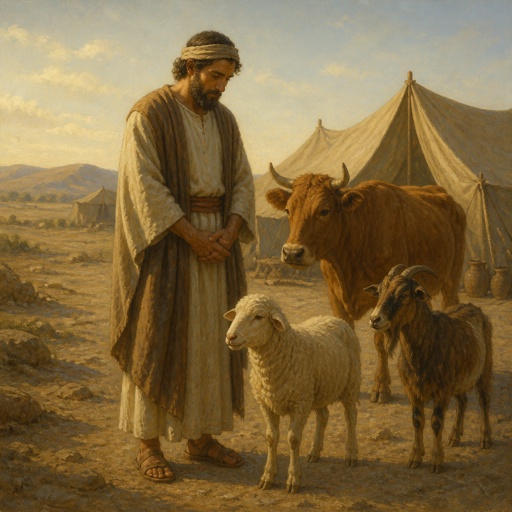
"What man soever there be of the house of Israel, that killeth an ox, or lamb, or goat, in the camp, or that killeth it out of the camp," - Leviticus 17:3

Leviticus 23:17-22

Leviticus 11:17 - "And the little owl, and the cormorant, and the great owl,"

Leviticus 22:17 - "¶ And the LORD spake unto Moses, saying,"

Leviticus 17:1 - "And the LORD spake unto Moses, saying,"

Leviticus 7:17 - "But the remainder of the flesh of the sacrifice on the third day shall be burnt with fire."

Leviticus 24:17 - "¶ And he that killeth any man shall surely be put to death."

Leviticus 15:17 - "And every garment, and every skin, whereon is the seed of copulation, shall be washed with water, and be unclean until the even."

"¶ And the LORD spake unto Moses, saying," - Leviticus 22:17

"And the LORD spake unto Moses, saying," - Leviticus 17:1

"And the little owl, and the cormorant, and the great owl," - Leviticus 11:17

Leviticus 27:17 - "If he sanctify his field from the year of jubile, according to thy estimation it shall stand."

Leviticus 17:16 - "But if he wash them not, nor bathe his flesh; then he shall bear his iniquity."

Leviticus 12:3 - "And in the eighth day the flesh of his foreskin shall be circumcised."

Leviticus 9:17 - "And he brought the meat offering, and took an handful thereof, and burnt it upon the altar, beside the burnt sacrifice of the morning."

Leviticus 4:17 - "And the priest shall dip his finger in some of the blood, and sprinkle it seven times before the LORD, even before the vail."

Leviticus 8:17 - "But the bullock, and his hide, his flesh, and his dung, he burnt with fire without the camp; as the LORD commanded Moses."

Leviticus 3:12 - "¶ And if his offering be a goat, then he shall offer it before the LORD."

Leviticus 8:3 - "And gather thou all the congregation together unto the door of the tabernacle of the congregation."

Leviticus 26:3 - "¶ If ye walk in my statutes, and keep my commandments, and do them;"

Leviticus 17:9 - "And bringeth it not unto the door of the tabernacle of the congregation, to offer it unto the LORD; even that man shall be cut off from among his people."

Leviticus 3:7 - "If he offer a lamb for his offering, then shall he offer it before the LORD."

Leviticus 7:3 - "And he shall offer of it all the fat thereof; the rump, and the fat that covereth the inwards,"

Leviticus 3:3 - "And he shall offer of the sacrifice of the peace offering an offering made by fire unto the LORD; the fat that covereth the inwards, and all the fat that is upon the inwards,"

1 corinthians 3:16-17

Leviticus 25:17 - "Ye shall not therefore oppress one another; but thou shalt fear thy God: for I am the LORD your God."