The Weight of Offering: Understanding Leviticus 3:8
“And he shall lay his hand upon the head of his offering, and kill it before the tabernacle of the congregation: and Aaron’s sons shall sprinkle the blood thereof round about upon the altar.” — Leviticus 3:8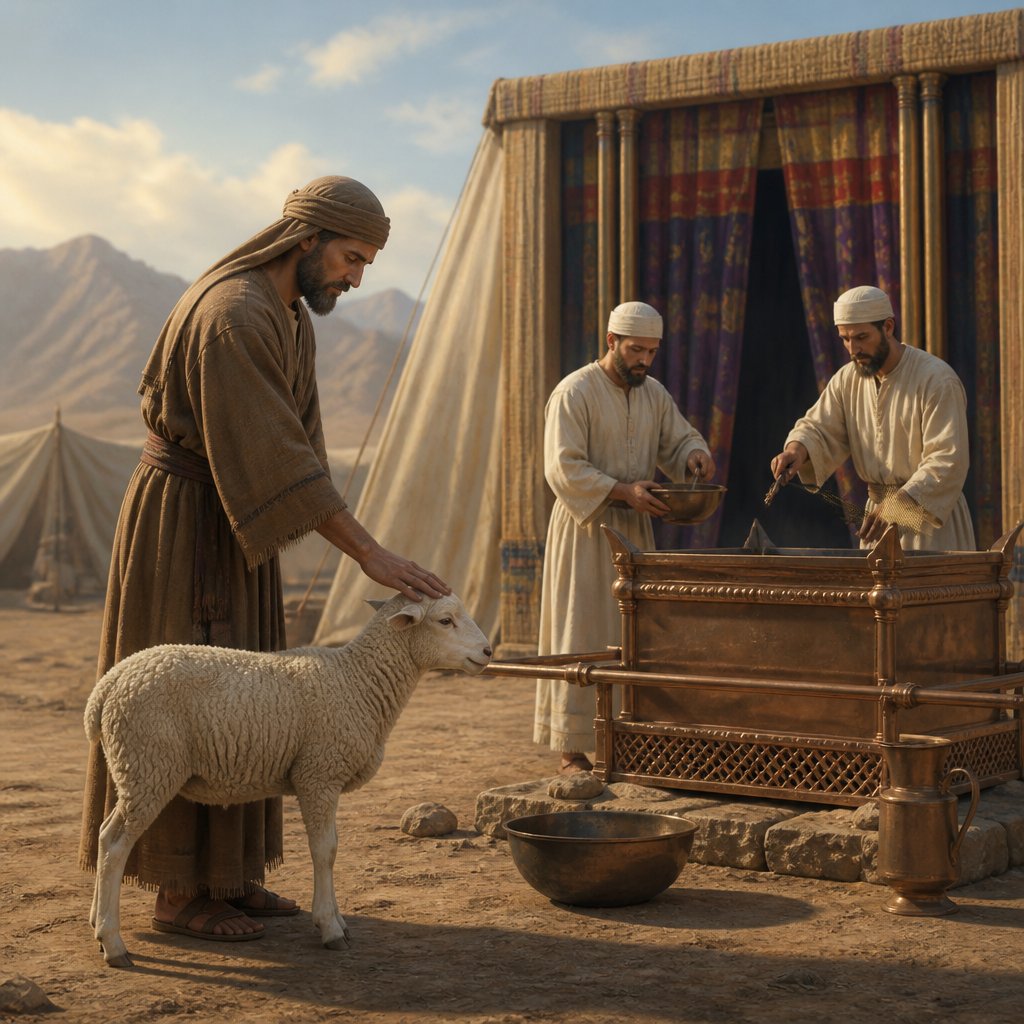
In the heart of Leviticus, we encounter a dense tapestry of laws and rituals designed to draw a people close to God. Among these, Leviticus 3:8 states: "And he shall lay his hand upon the head of his offering, and kill it before the tabernacle of the congregation: and Aaron's sons shall sprinkle the blood thereof round about upon the altar" (KJV). This verse provides insight into the deep sacrificial system that was integral for the Israelites, and a reflection point for us on the nature of offerings and the depth of our commitment to God.
To understand this verse, we must first appreciate the context in which it is given. The book of Leviticus serves as a manual for the priests and the people of Israel, detailing the laws required for approaching a holy God. The act of laying hands upon the sacrificial offering signifies a transference of sin and guilt from the person to the animal. It denotes an intimate connection between the offerer and the offering—a tangible acknowledgment that one's sin is being placed upon the sacrifice. This is where personal accountability meets divine grace.
The imagery in Leviticus 3:8 is not just ceremonial; it illustrates a profound spiritual truth that permeates throughout Scripture. In Isaiah 53:6, we read, "All we like sheep have gone astray; we have turned every one to his own way; and the Lord hath laid on him the iniquity of us all." Just as the worshipper transmits guilt onto the sacrificial animal, Jesus Christ, the ultimate sacrificial Lamb, bore our sins on the Cross. The act of killing the animal serves as a harsh reminder of the severe cost of sin, reiterating the concept that without the shedding of blood, there is no remission of sins (Hebrews 9:22). Our sins required a price—a divine payment.
Looking deeper into the verse, we see the involvement of Aaron's sons who sprinkle the blood around the altar. The altar represents the meeting point between God and humanity. Blood, in the biblical narrative, is a powerful symbol of life, cleansing, and covenant. By sprinkling the blood, the priests were acting as mediators who introduced the people's sacrifice to God, marking the altar with the price of atonement. This ritual illustrates the seriousness of sin and the lengths to which God goes to restore His relationship with His people. It is a sobering yet deeply reassuring image.
As modern believers, we may not practice physical sacrifice as the Israelites did; however, the principles behind these rituals remain profoundly relevant. God calls us to offer our lives as living sacrifices, holy and pleasing to Him (Romans 12:1). This invitation compels us to evaluate what we lay before God, truly recognizing the weight of our offerings. In our busy lives, what are we willing to sacrifice for our relationship with Christ? Is it our time, our resources, our efforts, or our egos? Just as the offerer consciously placed their hands upon the offering, we too must consciously engage in our relationship with God, understanding the cost and significance of what we offer Him.
In a world that often claims the opposite, this verse invites us to lay hold of the reality that true offering involves surrender and sacrifice. It is about relinquishing control, offering up our imperfect selves, and allowing God to work within us.
Finally, Leviticus 3:8 beckons us to reflect on our need for cleansing and the provision made through Christ. His blood, shed on Calvary, sprinkles us clean and grants us access to the Father. In light of this, may we approach our lives, our offerings, and our hearts with an astute awareness of God's holiness and a deeper understanding of the grace we have through Jesus Christ. Let us be faithful to offer ourselves wholly and completely, as living sacrifices, aligning ourselves with God’s redemptive purpose for our lives.
Get our apps


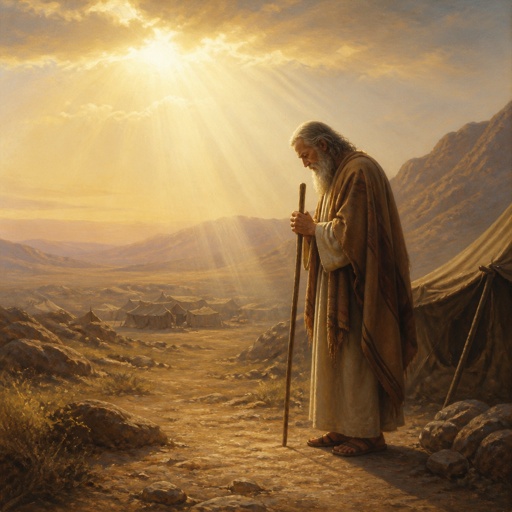
Artwork for Leviticus 3:8

Leviticus 3:8 - "And he shall lay his hand upon the head of his offering, and kill it before the tabernacle of the congregation: and Aaron's sons shall sprinkle the blood thereof round about upon the altar."
"And he shall lay his hand upon the head of his offering, and kill it before the tabernacle of the congregation: and Aaron's sons shall sprinkle the blood thereof round about upon the altar." - Leviticus 3:8

Leviticus 8:3 - "And gather thou all the congregation together unto the door of the tabernacle of the congregation."
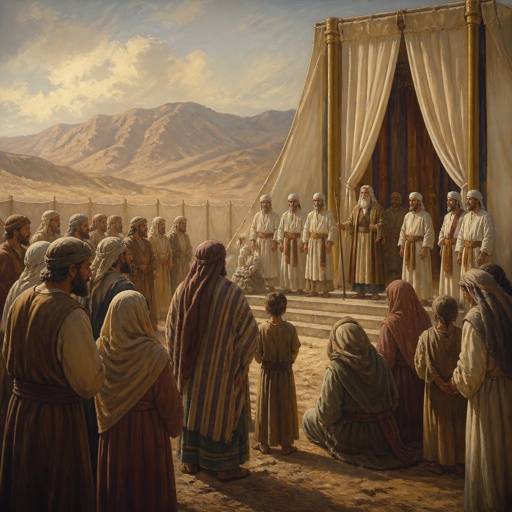
"And gather thou all the congregation together unto the door of the tabernacle of the congregation." - Leviticus 8:3

Leviticus 16:8

Leviticus 8:30
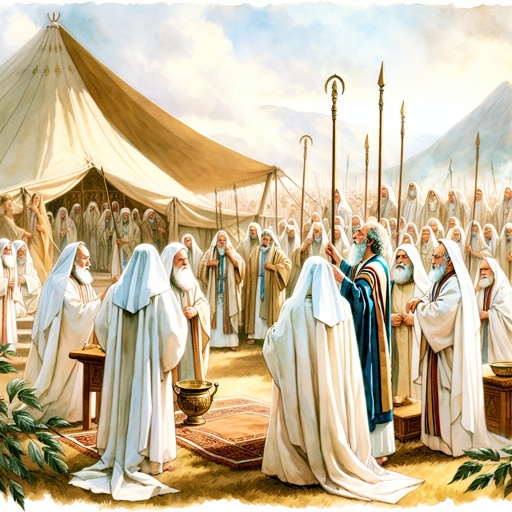
Leviticus 8:1-12

Leviticus 8:8 - "And he put the breastplate upon him: also he put in the breastplate the Urim and the Thummim."

Leviticus 6:8 - "¶ And the LORD spake unto Moses, saying,"
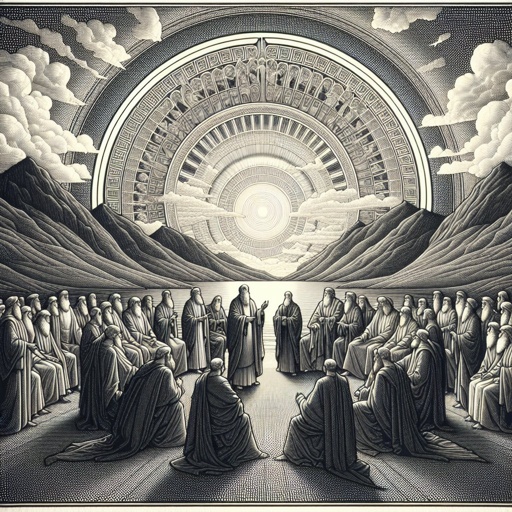
Leviticus 10:8 - "¶ And the LORD spake unto Aaron, saying,"

Leviticus 8:1 - "And the LORD spake unto Moses, saying,"

Leviticus 8:32 - "And that which remaineth of the flesh and of the bread shall ye burn with fire."

Leviticus 8:6 - "And Moses brought Aaron and his sons, and washed them with water."

Leviticus 8:19 - "And he killed it; and Moses sprinkled the blood upon the altar round about."

Leviticus 8:5 - "And Moses said unto the congregation, This is the thing which the LORD commanded to be done."

Leviticus 12:3 - "And in the eighth day the flesh of his foreskin shall be circumcised."

Leviticus 8:20 - "And he cut the ram into pieces; and Moses burnt the head, and the pieces, and the fat."

Leviticus 18:8 - "The nakedness of thy father's wife shalt thou not uncover: it is thy father's nakedness."

Leviticus 8:10 - "And Moses took the anointing oil, and anointed the tabernacle and all that was therein, and sanctified them."

Leviticus 11:8 - "Of their flesh shall ye not eat, and their carcase shall ye not touch; they are unclean to you."
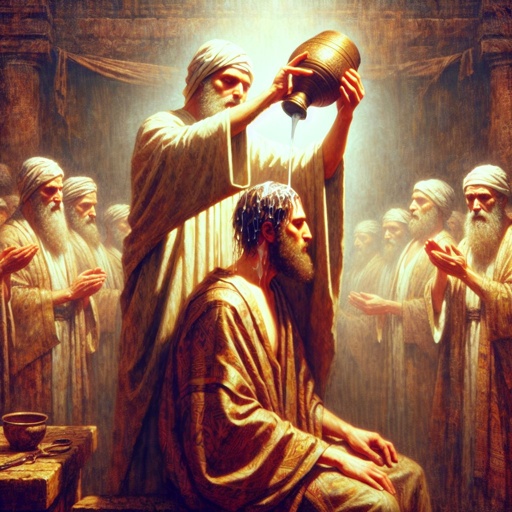
Leviticus 8:12 - "And he poured of the anointing oil upon Aaron's head, and anointed him, to sanctify him."

Leviticus 9:8 - "¶ Aaron therefore went unto the altar, and slew the calf of the sin offering, which was for himself."

Leviticus 3:12 - "¶ And if his offering be a goat, then he shall offer it before the LORD."

Leviticus 26:3 - "¶ If ye walk in my statutes, and keep my commandments, and do them;"

Leviticus 8:36 - "So Aaron and his sons did all things which the LORD commanded by the hand of Moses."
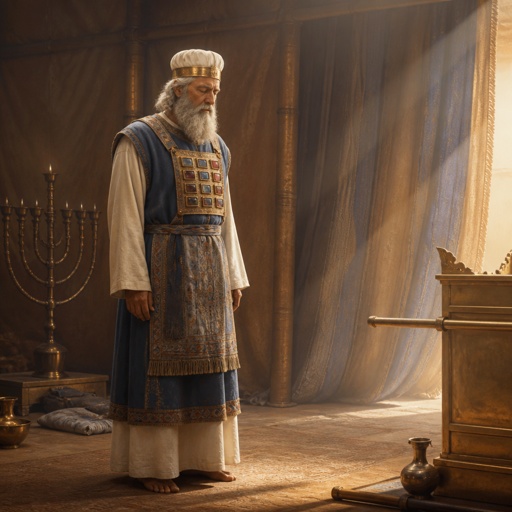
"¶ And the LORD spake unto Aaron, saying," - Leviticus 10:8
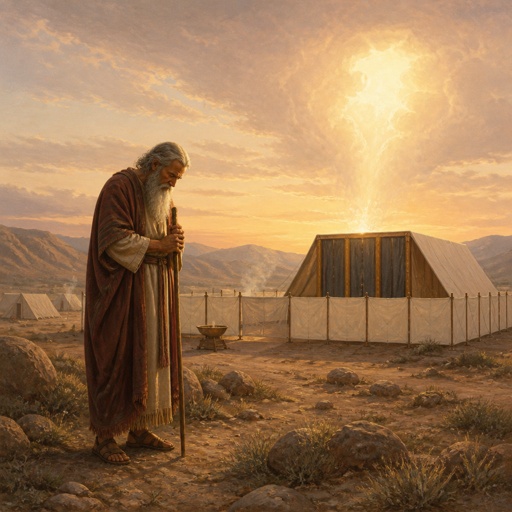
"¶ And the LORD spake unto Moses, saying," - Leviticus 6:8
"And the LORD spake unto Moses, saying," - Leviticus 8:1

Leviticus 3:7 - "If he offer a lamb for his offering, then shall he offer it before the LORD."

Leviticus 7:3 - "And he shall offer of it all the fat thereof; the rump, and the fat that covereth the inwards,"