The Fragrance of Forgiveness
“As it was taken off from the bullock of the sacrifice of peace offerings: and the priest shall burn them upon the altar of the burnt offering.” — Leviticus 4:10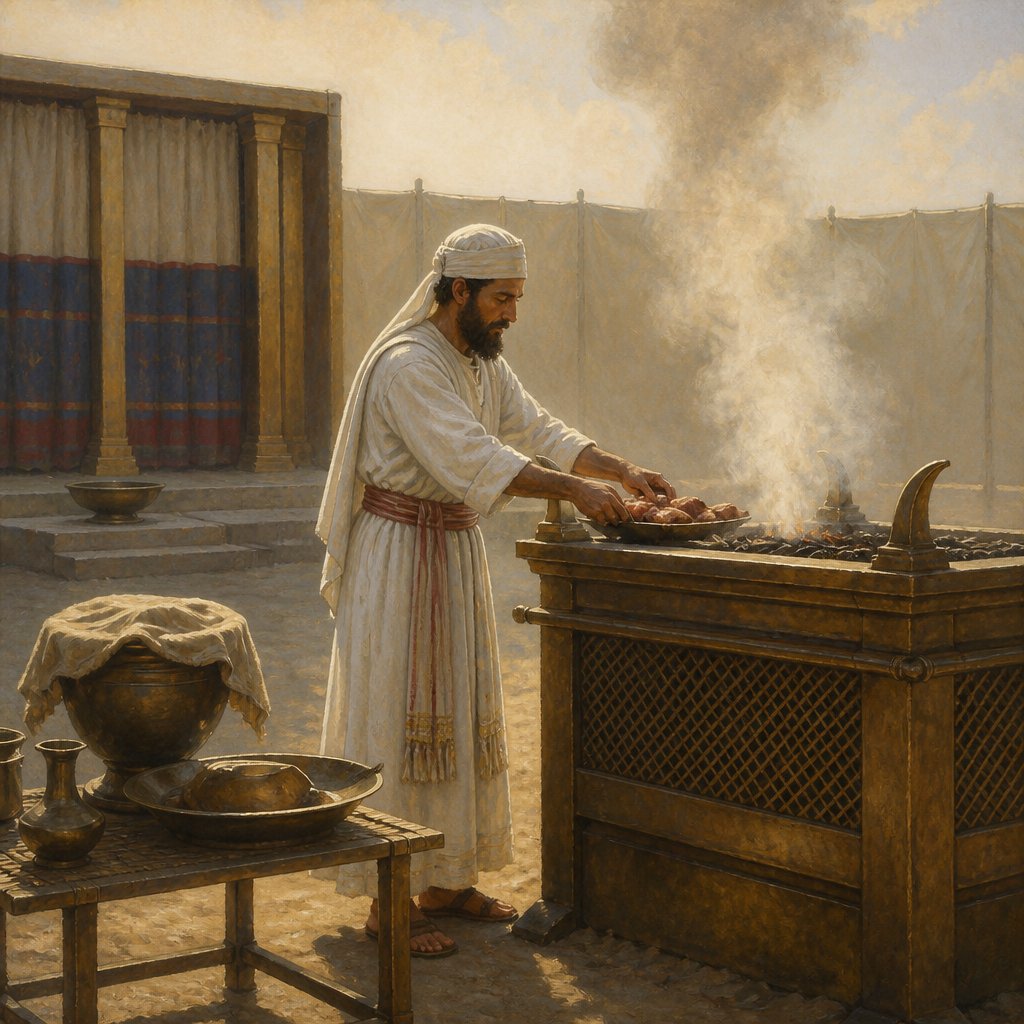
**The Fragrance of Forgiveness**
**Scripture: Leviticus 4:10 (KJV)**
"As it was taken off from the bullock of the sacrifice of peace offerings: and the priest shall burn them upon the altar of the burnt offering."
In the intricate tapestry of the Levitical laws, each chapter and verse presents a profound reflection of God’s holiness and grace. Leviticus 4:10 encapsulates a deep spiritual truth through its vivid imagery of sacrifice, priestly mediation, and the resulting pleasing aroma that rises to God. This specific verse not only outlines a ceremonial function but also opens the door to profound insights about sin, atonement, and our relationship with a holy God.
To understand the significance of this verse, we must first grasp the context in which it is situated. The book of Leviticus provides guidance for the Israelites on how to maintain their covenant relationship with God. It is a manual for their sacred walk, focusing significantly on the necessity of righteousness and the serious nature of sin. The sacrifices described in this chapter, particularly the peace offerings, highlight the critical role of atonement and communion with God.
The mention of the “bullock of the sacrifice” signifies that a life was given to restore the relationship between man and God. The symbolism behind the bullock is noticeable; it represents strength and the wealth of the community. To think of sacrificing something of value reveals something about our own lives. What do we hold dear that we may need to let go of for the sake of a renewed relationship with our Heavenly Father? In our daily lives, what sacrifices are we willing to make to seek peace and restore brokenness?
The act of the priest burning the fat upon the altar is significant. In ancient Israel, fat was considered the most desirable part of the sacrifice. It represented the best of what we have to offer God. This act symbolizes surrender – surrendering our best to God, a condition He desires of us in our walk of faith. It emphasizes that true worship requires more than mere ritual; it demands a heart posture that declares, "Lord, I give You my best as an act of worship."
Moreover, the burning of the fat upon the altar releases a fragrant offering to God, often interpreted in scripture as a metaphor for the prayers and offerings of the faithful (Revelation 5:8). How beautiful it is to know that our sacrifices and acts of obedience rise before Him, pleasing the heart of our God. This fragrant offering echoes the sentiment that God yearns for His people to approach Him, not out of obligation but out of deep love, gratefulness, and desire for fellowship.
Through Leviticus 4:10, we also reflect upon the importance of the priest as an intermediary. In the Old Testament, the priest served as a bridge between sinful humanity and a holy God. Today, we recognize Jesus Christ as our High Priest (Hebrews 4:14), who made the ultimate sacrifice for us on the cross. He became our peace offering, taking upon Himself the debt of our sin, in order that we may be reconciled with God. What a profound comfort it is to know that we do not approach God’s altar alone! Christ intercedes for us, presenting our lives as a sweet fragrance unto the Father.
As we meditate on this verse, let us examine our hearts. Are there areas in our lives that we need to bring before God—areas where we need to sacrifice pride, unforgiveness, or distractions? Are we prepared to lay down our very best and allow our lives to become a living sacrifice?
In conclusion, Leviticus 4:10 serves as both a reminder and an encouragement. It beckons us to approach the altar with contrition and resolve, surrendering ourselves in worship and seeking forgiveness through Christ. May our lives be characterized as a fragrant offering to God, an embodiment of peace, and a testimony of His grace. Let us embrace the beauty of His forgiveness today, as we sacrifice in praise and worship, bringing glory to His name.
Get our apps


Artwork for Leviticus 4:10

Leviticus 4:10 - "As it was taken off from the bullock of the sacrifice of peace offerings: and the priest shall burn them upon the altar of the burnt offering."
"As it was taken off from the bullock of the sacrifice of peace offerings: and the priest shall burn them upon the altar of the burnt offering." - Leviticus 4:10

Leviticus 10:4 - "And Moses called Mishael and Elzaphan, the sons of Uzziel the uncle of Aaron, and said unto them, Come near, carry your brethren from before the sanctuary out of the camp."

Leviticus 10:10 - "And that ye may put difference between holy and unholy, and between unclean and clean;"

leviticus 16:7-10

Leviticus 10:20 - "And when Moses heard that, he was content."
Leviticus 10:8 - "¶ And the LORD spake unto Aaron, saying,"

Leviticus 26: 4-6
Leviticus 26: 4-6

Leviticus 26: 4-6

Leviticus 4:1 - "And the LORD spake unto Moses, saying,"

Leviticus 27:4 - "And if it be a female, then thy estimation shall be thirty shekels."

Leviticus 10:2 - "And there went out fire from the LORD, and devoured them, and they died before the LORD."

Leviticus 26:10 - "And ye shall eat old store, and bring forth the old because of the new."

Leviticus 8:10 - "And Moses took the anointing oil, and anointed the tabernacle and all that was therein, and sanctified them."

Leviticus 10:5 - "So they went near, and carried them in their coats out of the camp; as Moses had said."

Leviticus 4:16 - "And the priest that is anointed shall bring of the bullock's blood to the tabernacle of the congregation:"
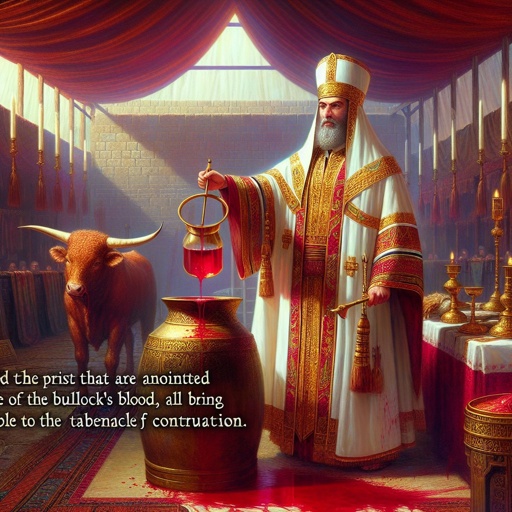
Leviticus 4:5 - "And the priest that is anointed shall take of the bullock's blood, and bring it to the tabernacle of the congregation:"
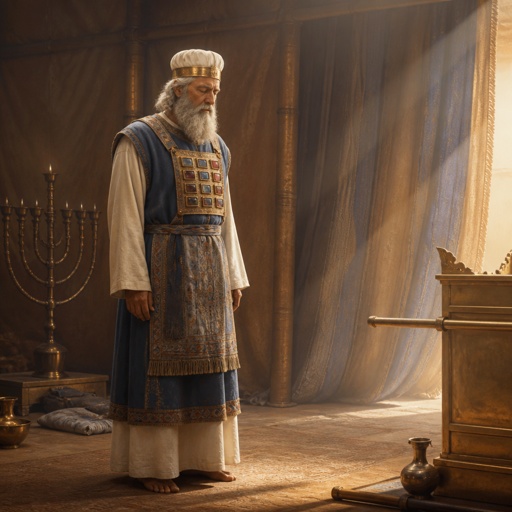
"¶ And the LORD spake unto Aaron, saying," - Leviticus 10:8
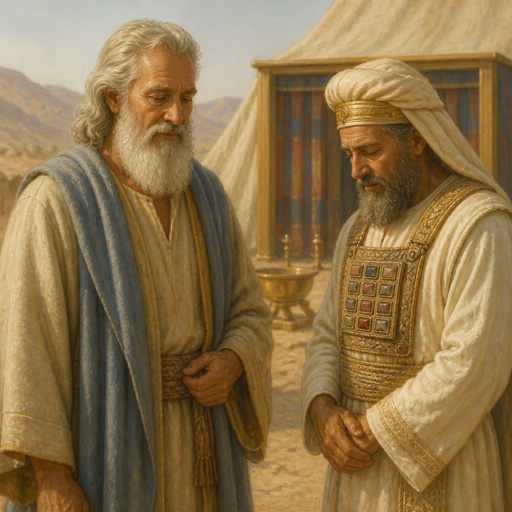
"And when Moses heard that, he was content." - Leviticus 10:20

Leviticus 24:4 - "He shall order the lamps upon the pure candlestick before the LORD continually."

Leviticus 23:4 - "¶ These are the feasts of the LORD, even holy convocations, which ye shall proclaim in their seasons."
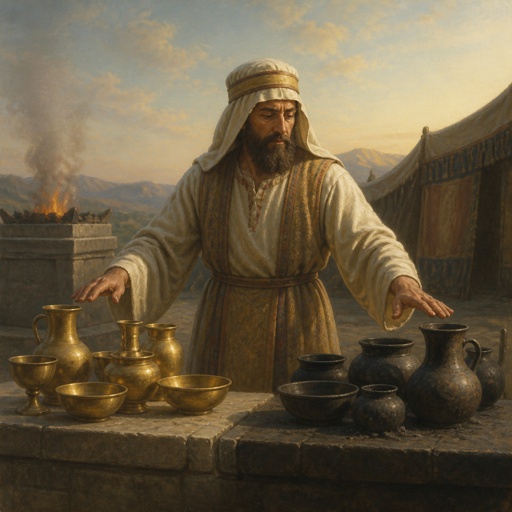
"And that ye may put difference between holy and unholy, and between unclean and clean;" - Leviticus 10:10

Leviticus 22:10 - "There shall no stranger eat of the holy thing: a sojourner of the priest, or an hired servant, shall not eat of the holy thing."

Leviticus 7:10 - "And every meat offering, mingled with oil, and dry, shall all the sons of Aaron have, one as much as another."

Leviticus 1:10 - "¶ And if his offering be of the flocks, namely, of the sheep, or of the goats, for a burnt sacrifice; he shall bring it a male without blemish."

Leviticus 4:4 - "And he shall bring the bullock unto the door of the tabernacle of the congregation before the LORD; and shall lay his hand upon the bullock's head, and kill the bullock before the LORD."

Leviticus 4:32 - "And if he bring a lamb for a sin offering, he shall bring it a female without blemish."

Leviticus 4:19 - "And he shall take all his fat from him, and burn it upon the altar."

Leviticus 21:4 - "But he shall not defile himself, being a chief man among his people, to profane himself."