The Pathway to Redemption: Understanding Sin and Atonement in Leviticus 4:14
“When the sin, which they have sinned against it, is known, then the congregation shall offer a young bullock for the sin, and bring him before the tabernacle of the congregation.” — Leviticus 4:14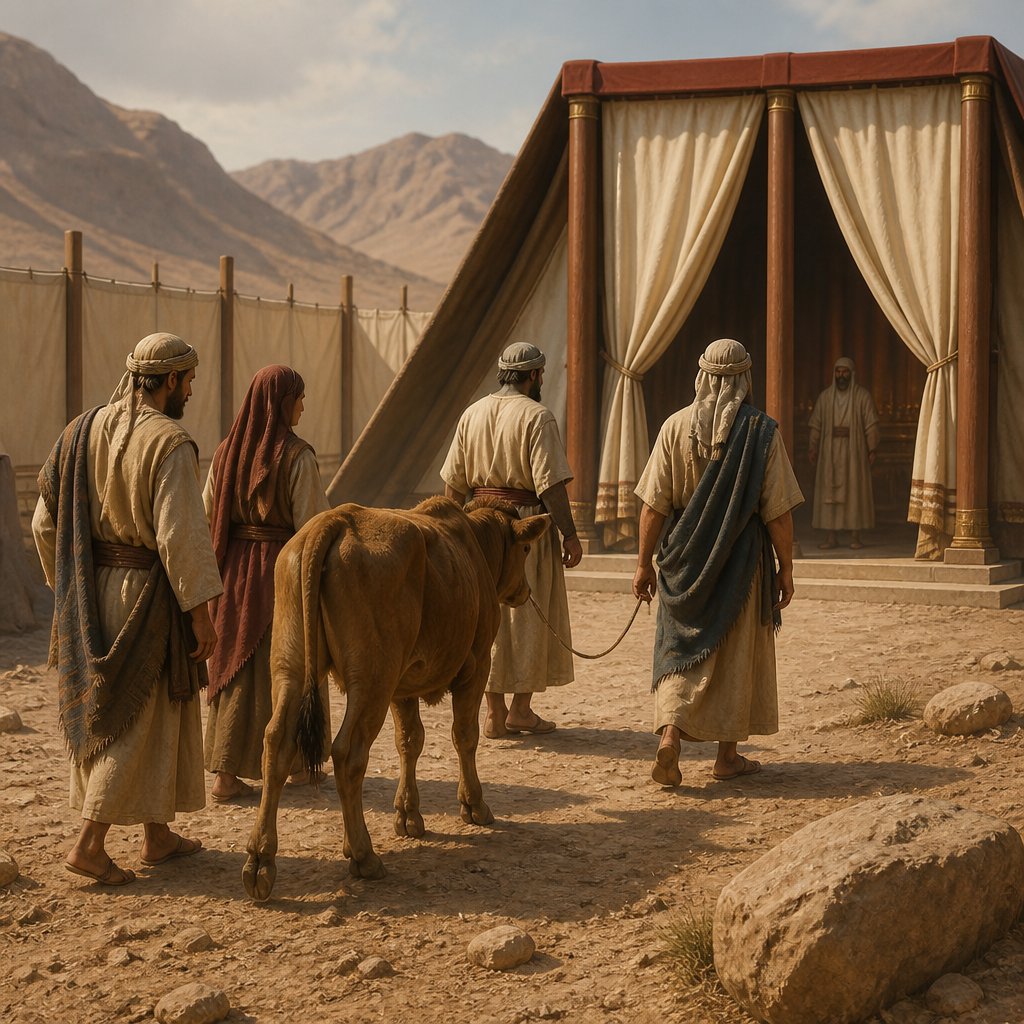
Leviticus 4:14 states, "When the sin, which they have sinned against it, is known, then the congregation shall offer a young bullock for the sin, and bring him before the tabernacle of the congregation." This passage from the Old Testament carries profound implications for our understanding of sin, community, and the provision of atonement through sacrifice.
In exploring this scripture, we first recognize the context in which it is set. The book of Leviticus is primarily concerned with the laws governing the Israelites as they navigate their relationship with God. At the heart of these laws is the concept of holiness—God’s utter separateness from sin and His desire for His people to reflect that holiness in their lives. Leviticus 4 specifically addresses sin offerings, a vital aspect of the Israelite sacrificial system, designed to restore broken relationships, particularly between the people and God, following transgressions.
The verse begins with a condition: "When the sin, which they have sinned against it, is known." This highlights an essential truth about sin: it must be acknowledged to be addressed. Ignorance of sin does not absolve one from its consequences. The first step in the journey of reconciliation is the recognition of wrongdoing, and this acknowledgment is crucial not just at the personal level but also at the communal one. Here, we are reminded that the sins of individuals can affect the entire congregation. This speaks to the interconnectedness of our lives—our actions, whether right or wrong, ripple through the community.
Next, the passage states that the congregation must offer a young bullock as a sacrifice. The Old Testament sacrificial system included various offerings, but the young bullock symbolizes the severity of the sin when committed by the community. In the ancient Jewish context, animals were seen as a substitutionary sacrifice, an innocent life given in place of the guilty party. It embodies justice and mercy—though the congregation deserved punishment for their collective sins, the innocent bullock painstakingly bears the consequences. This act serves not only as a means of atonement but also as a public demonstration of repentance.
Bringing the bullock "before the tabernacle of the congregation" is particularly significant. The tabernacle represents the very presence of God among His people. The act of bringing the sacrifice before the tabernacle underscores the concept that sin creates distance between humanity and God. The sacrificial system, therefore, is a means of drawing near, a way to re-establish fellowship with the Almighty. As believers today, we can reflect on this act as analogous to the way we approach God with our transgressions. It reminds us that our sins can create barriers in our relationship with Him, but He has provided a way to remove those barriers.
In the New Testament, we find the ultimate sacrifice in Jesus Christ, who became the once-for-all offering for our sins, fulfilling the requirements of the Law (Hebrews 10:10). Much like the young bullock, His death provided atonement for all of humanity. Thus, while Leviticus 4:14 speaks specifically to the practices of ancient Israel, it foreshadows the comprehensive atonement provided through faith in Christ.
As we reflect on this passage, we are invited to consider our own lives. Are there sins that we need to acknowledge? Are we willing to bring those before God, recognizing the sacrifice that was made for us? Jesus' love and grace are freely offered, and through His atonement, we are given an invitation to a restored relationship with our Creator.
In closing, Leviticus 4:14 serves as a crucial reminder that acknowledgment of sin leads to healing and restoration. It asks us to consider the weight of our actions, encourages communal accountability, and directs us toward the only true sacrifice that can cleanse and redeem. Let us respond not with fear but with gratitude, embracing the undeserved grace bestowed upon us through Christ.
Get our apps


Artwork for Leviticus 4:14
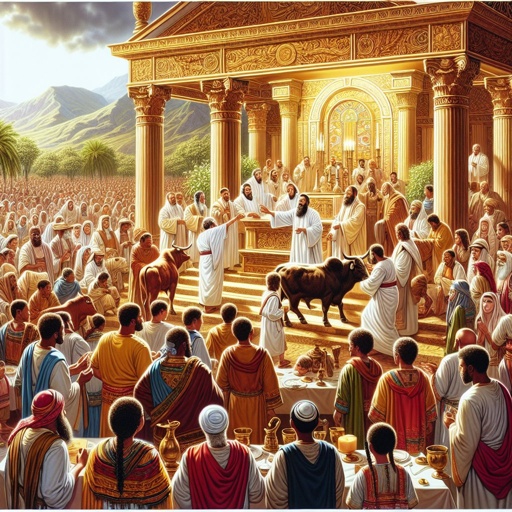
Leviticus 4:14 - "When the sin, which they have sinned against it, is known, then the congregation shall offer a young bullock for the sin, and bring him before the tabernacle of the congregation."
"When the sin, which they have sinned against it, is known, then the congregation shall offer a young bullock for the sin, and bring him before the tabernacle of the congregation." - Leviticus 4:14

Leviticus 14:4 - "Then shall the priest command to take for him that is to be cleansed two birds alive and clean, and cedar wood, and scarlet, and hyssop:"

Leviticus 14:51

Leviticus 14:55 - "And for the leprosy of a garment, and of a house,"

Leviticus 14:56 - "And for a rising, and for a scab, and for a bright spot:"

Leviticus 14:1 - "And the LORD spake unto Moses, saying,"

Leviticus 11:14 - "And the vulture, and the kite after his kind;"

Leviticus 5:14 - "¶ And the LORD spake unto Moses, saying,"
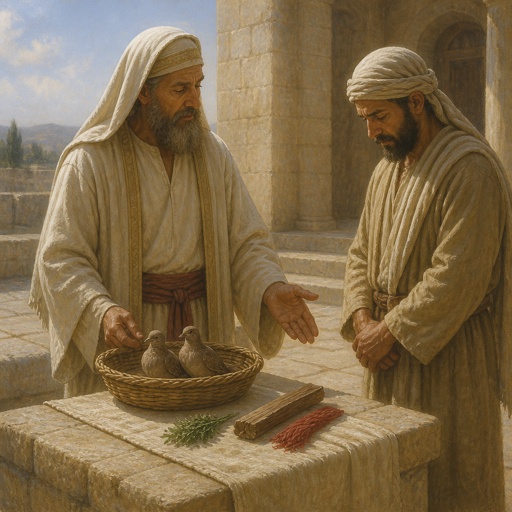
"Then shall the priest command to take for him that is to be cleansed two birds alive and clean, and cedar wood, and scarlet, and hyssop:" - Leviticus 14:4

Leviticus 14:54 - "This is the law for all manner of plague of leprosy, and scall,"

Leviticus 26:14 - "¶ But if ye will not hearken unto me, and will not do all these commandments;"

Leviticus 14:33 - "¶ And the LORD spake unto Moses and unto Aaron, saying,"

Leviticus 14:57 - "To teach when it is unclean, and when it is clean: this is the law of leprosy."

Leviticus 26: 4-6

"And for the leprosy of a garment, and of a house," - Leviticus 14:55

Leviticus 26: 4-6

Leviticus 26: 4-6

Leviticus 13:14 - "But when raw flesh appeareth in him, he shall be unclean."

Leviticus 14:26 - "And the priest shall pour of the oil into the palm of his own left hand:"

Leviticus 4:1 - "And the LORD spake unto Moses, saying,"

Leviticus 14:30 - "And he shall offer the one of the turtledoves, or of the young pigeons, such as he can get;"

"And for a rising, and for a scab, and for a bright spot:" - Leviticus 14:56

Leviticus 14:50 - "And he shall kill the one of the birds in an earthen vessel over running water:"

Leviticus 27:4 - "And if it be a female, then thy estimation shall be thirty shekels."

Leviticus 9:14 - "And he did wash the inwards and the legs, and burnt them upon the burnt offering on the altar."

Leviticus 14:5 - "And the priest shall command that one of the birds be killed in an earthen vessel over running water:"

Leviticus 14:2 - "This shall be the law of the leper in the day of his cleansing: He shall be brought unto the priest:"

Leviticus 14:49 - "And he shall take to cleanse the house two birds, and cedar wood, and scarlet, and hyssop:"

Leviticus 6:14 - "¶ And this is the law of the meat offering: the sons of Aaron shall offer it before the LORD, before the altar."