The Offering of Recognition: Embracing Our Faults
“Or if his sin, wherein he hath sinned, come to his knowledge; he shall bring his offering, a kid of the goats, a male without blemish:” — Leviticus 4:23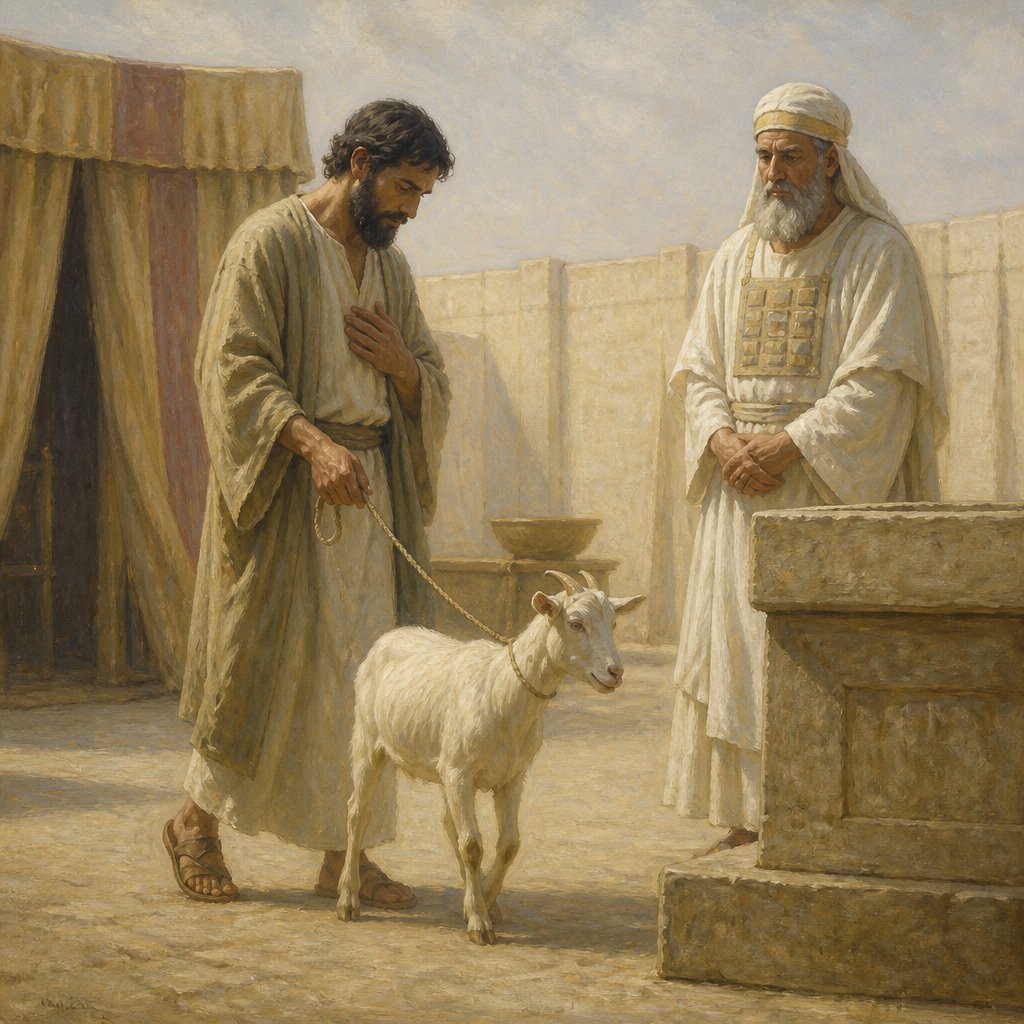
In the realm of spiritual growth, the journey often requires us to confront the uncomfortable truth of our own imperfections. The verse from Leviticus 4:23 provides a significant insight into this process: "Or if his sin, wherein he hath sinned, come to his knowledge; he shall bring his offering, a kid of the goats, a male without blemish." This verse encapsulates a profound sequence: recognition of sin, acknowledgment of wrongdoing, and the act of making an offering.
### Sin Recognized
The first part of the verse speaks to the moment of realization when a person acknowledges their sin. The phrase "come to his knowledge" highlights the divine grace that allows us the opportunity to recognize our failures. It emphasizes the notion that sometimes, we wander through life unaware of the things we do that separate us from God and from our community. The process of self-examination is vital; it requires courage and humility to admit when we have erred.
In our lives today, how often do we truly take the time to reflect on our actions? Are we willing to confront the parts of our character that don’t align with the teachings of Christ? Just as the Israelites were called to recognize their sin, we, too, are encouraged to engage in self-examination. This isn’t a path of relentless guilt but of honest acknowledgment. Our sins may not be ceremonial like those in Leviticus, yet the principle remains: our imperfections call us to awareness, which is the first step towards healing.
### The Need for an Offering
Once a sin is recognized, the next step is to bring an offering. In the context of the Israelite community, the offering was a physical representation of repentance and restoration. The mention of a “kid of the goats, a male without blemish” is symbolic. In ancient Israel, an unblemished offering was crucial; it represented purity, dedication, and the desire to make amends. This act of offering was not merely about appeasing God; it was about understanding the weight of sin and the commitment to rectify it.
Applying this to our modern context, what is our offering? We are not required to bring animals to the altar, but we can offer our sincere remorse, our time in prayer, our efforts to serve others, and our commitment to living a life that reflects our values. The offering we bring is an act of faith—a manifestation of our desire to align ourselves more closely with God's will.
### The Call to Transformation
The implication of this verse extends beyond mere recognition and offering. It invokes a call to transformation. Just as the sacrifice needed to be without blemish, our lives, post-repentance, should reflect a journey towards wholeness. The act of recognizing sin should propel us into a renewed commitment to live in a manner worthy of the grace we are given.
This transformation requires diligence, accountability, and often, community support. As believers, we are called to encourage one another in this path. It may involve confessing our shortcomings to a trusted friend or seeking guidance from a spiritual mentor. God desires our hearts to undergo continuous renewal, enabling us to reflect His love and holiness.
### Conclusion: A Cycle of Grace
Leviticus 4:23 teaches us a cycle of grace: recognition, offering, and transformation. It reminds us that sin is not the end of our story; rather, it is a moment that can lead to deeper relationship with God. Each acknowledgment of imperfection is a chance to draw closer to His grace, and each offering is a step towards becoming the individuals He has called us to be. Embrace the humility of recognition, the act of offering, and the glorious path of transformation that God invites you to embark upon. Let this verse inspire you to keep your heart open, willing to embrace the journey of continuous growth in faith.
Get our apps


Artwork for Leviticus 4:23

Leviticus 4:23 - "Or if his sin, wherein he hath sinned, come to his knowledge; he shall bring his offering, a kid of the goats, a male without blemish:"
"Or if his sin, wherein he hath sinned, come to his knowledge; he shall bring his offering, a kid of the goats, a male without blemish:" - Leviticus 4:23

Leviticus 23:4 - "¶ These are the feasts of the LORD, even holy convocations, which ye shall proclaim in their seasons."

Leviticus 23:23 - "¶ And the LORD spake unto Moses, saying,"
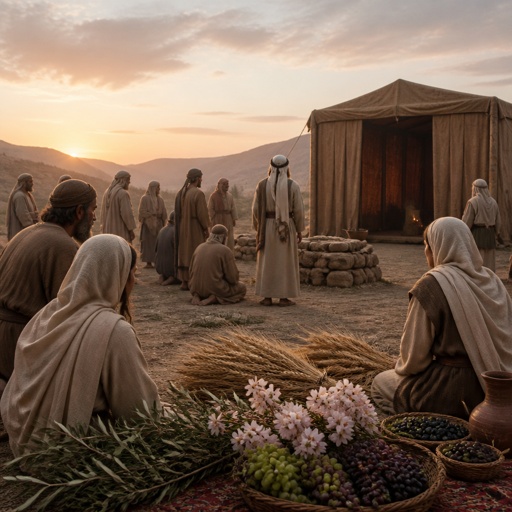
"¶ These are the feasts of the LORD, even holy convocations, which ye shall proclaim in their seasons." - Leviticus 23:4

Leviticus 23:21

Leviticus 23:21

Leviticus 23:21

Leviticus 23:21

Leviticus 23:21

Leviticus 23:20

Leviticus 23:21

Leviticus 23:15-22

Leviticus 23:17-22

Leviticus 24:20-23

"¶ And the LORD spake unto Moses, saying," - Leviticus 23:23

Leviticus 23:26 - "¶ And the LORD spake unto Moses, saying,"

Leviticus 23:1 - "And the LORD spake unto Moses, saying,"

Leviticus 23:33 - "¶ And the LORD spake unto Moses, saying,"

Leviticus 23:9 - "¶ And the LORD spake unto Moses, saying,"

Leviticus 23:5 - "In the fourteenth day of the first month at even is the LORD'S passover."

Leviticus 23:44 - "And Moses declared unto the children of Israel the feasts of the LORD."

Leviticus 26:23 - "And if ye will not be reformed by me by these things, but will walk contrary unto me;"

the jewish holidays mentioned in leviticus 23:1 until 23:40 combined in one picture,

Leviticus 6:23 - "For every meat offering for the priest shall be wholly burnt: it shall not be eaten."

Leviticus 25:23 - "¶ The land shall not be sold for ever: for the land is mine; for ye are strangers and sojourners with me."

Leviticus 23:35 - "On the first day shall be an holy convocation: ye shall do no servile work therein."

Leviticus 26: 4-6

the jewish holidays mentioned in leviticus 23:1 until 23:40 combined in one picture, with hebrew names in hebrew charactes

Leviticus 23:42 - "Ye shall dwell in booths seven days; all that are Israelites born shall dwell in booths:"