The Hidden Sacrifices: Understanding the Call of Holiness
“And the two kidneys, and the fat that is upon them, which is by the flanks, and the caul above the liver, with the kidneys, it shall he take away,” — Leviticus 4:9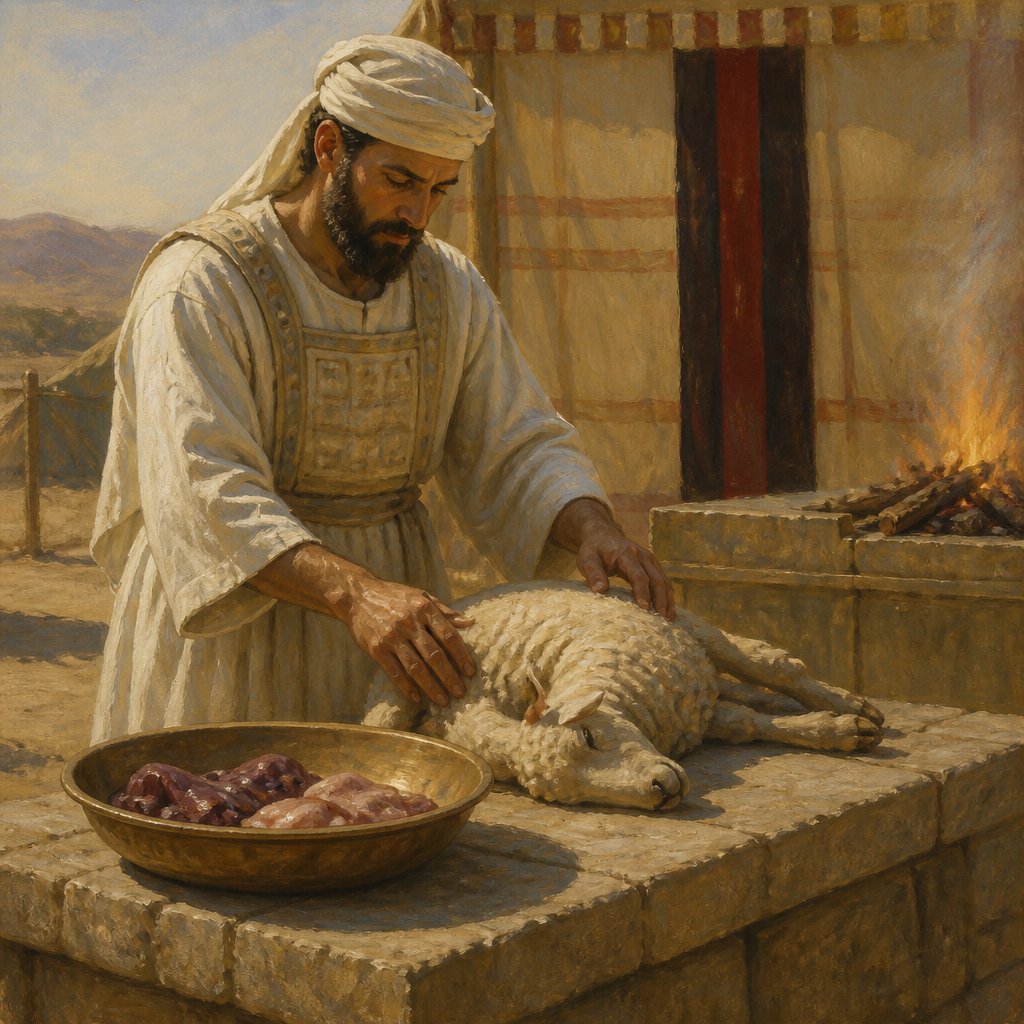
Leviticus 4:9 states, "And the two kidneys, and the fat that is upon them, which is by the flanks, and the caul above the liver, with the kidneys, it shall he take away." This intricate instruction from the Law of Moses offers profound insights into the heart of God and His expectations for His people. Though modern readers may struggle to grasp the significance of such details in an ancient sacrificial system, there lies within this passage a rich tapestry of meaning that invites us to deeper reflection on our relationship with God.
To fully appreciate this verse, we must understand the context in which it was written. Leviticus is often seen as a book detailing ritual purity, sacrificial laws, and the call to holiness. Amid the ancient Israelites' journey from slavery in Egypt to the Promised Land, God sought to establish a distinct identity for His people—one that was rooted in righteousness, worship, and separation from the practices of surrounding nations.
In Leviticus 4, we find instructions for sin offerings—rituals designed to atone for unintentional sins. The emphasis on specific parts of the animal reveals God’s attention to detail not merely in the external observance of law but also in matters of the heart. The kidneys, fat, and liver are often seen within scriptural typology as representing the inner emotional and spiritual life of an individual; they are considered the seat of feelings and conscience in the ancient mind.
The kidneys, associated with feelings and intuition, encourage us to examine what lies at the core of our motivations. What drives us each day? Are our hearts aligned with God’s desires? In taking away these parts of the sacrifice, the priest removed that which was regarded as valuable and innermost, prompting an act of surrender. This physical act poignantly symbolizes that to approach God, we must be willing to let go of our innermost selves—our fears, passions, and uncertainties—and lay them down before Him as an act of worship.
The fat, often considered the best portion of the animal, speaks to the notion of abundance and sacrifice. The command to remove the fat invites reflection on what it means to offer our best to God. Are we willing to give our finest to Him—our skills, resources, and time? Or do we often settle for the leftovers or the bare minimum? God desires our first fruits, not out of need, but as a means for us to cultivate a heart of thankfulness and dedication. The act of willingly removing our fat is a declaration of trust in God's provision and sufficiency, recognizing that ultimately, He sustains us.
Furthermore, the caul above the liver, related to fattening and richness, may remind us of the things we find comfort in or cling to instead of God. Personal comfort can blind us to the call to holiness. We may become so accustomed to worldly pleasures that we neglect to examine the spiritual implications they have in our lives. This directive invites us to critically assess our comforts—are they hindering our walk with Christ?
In the New Testament, we see these sacrifices fulfilled in Christ, our ultimate Lamb, who took upon Himself our sin once and for all (Hebrews 10:12). With His sacrifice, He not only satisfied the requirements of the Old Covenant but also opened the door for us to approach God with confidence, purifying our inner selves. Thus, when we consider God’s command in Leviticus 4:9, we are pointed towards a deeper relationship with Jesus, who invites us to lay down our hearts and sacrifices at His altar.
In conclusion, let us consider what God is calling us to remove from our lives that hinders a sincere relationship with Him. Reflect on what we need to surrender—trust, comfort, hidden sins, or fears—and present ourselves as living sacrifices, holy and acceptable unto Him (Romans 12:1). May we embrace the call of holiness, recognizing that the hidden sacrifices we make stand testament to a growing and vibrant faith.
Get our apps


Artwork for Leviticus 4:9

Leviticus 4:9 - "And the two kidneys, and the fat that is upon them, which is by the flanks, and the caul above the liver, with the kidneys, it shall he take away,"
"And the two kidneys, and the fat that is upon them, which is by the flanks, and the caul above the liver, with the kidneys, it shall he take away," - Leviticus 4:9

Leviticus 9:4 - "Also a bullock and a ram for peace offerings, to sacrifice before the LORD; and a meat offering mingled with oil: for to day the LORD will appear unto you."
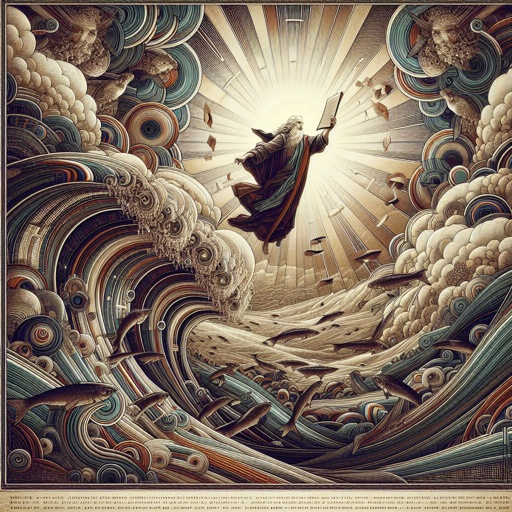
Leviticus 23:9 - "¶ And the LORD spake unto Moses, saying,"

Leviticus 26: 4-6
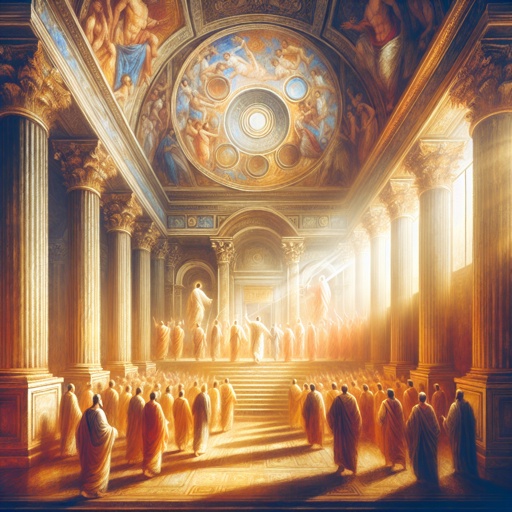
Leviticus 26: 4-6

Leviticus 26: 4-6

Leviticus 9:16 - "And he brought the burnt offering, and offered it according to the manner."

Leviticus 9:11 - "And the flesh and the hide he burnt with fire without the camp."

Leviticus 4:1 - "And the LORD spake unto Moses, saying,"

Leviticus 27:4 - "And if it be a female, then thy estimation shall be thirty shekels."
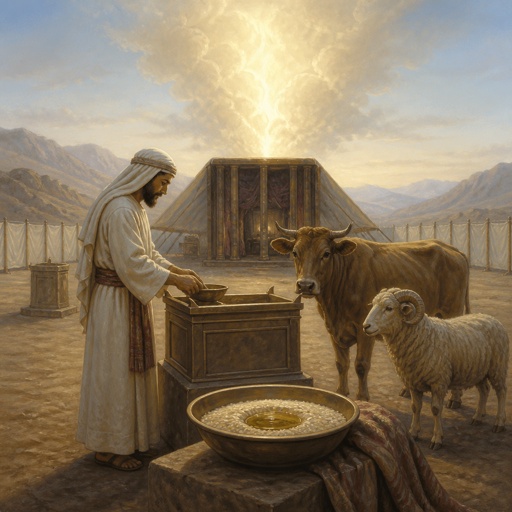
"Also a bullock and a ram for peace offerings, to sacrifice before the LORD; and a meat offering mingled with oil: for to day the LORD will appear unto you." - Leviticus 9:4

Leviticus 13:9 - "¶ When the plague of leprosy is in a man, then he shall be brought unto the priest;"

Leviticus 9:20 - "And they put the fat upon the breasts, and he burnt the fat upon the altar:"

Leviticus 9:9 - "And the sons of Aaron brought the blood unto him: and he dipped his finger in the blood, and put it upon the horns of the altar, and poured out the blood at the bottom of the altar:"

Leviticus 15:9 - "And what saddle soever he rideth upon that hath the issue shall be unclean."

Leviticus 9:14 - "And he did wash the inwards and the legs, and burnt them upon the burnt offering on the altar."

Leviticus 9:8 - "¶ Aaron therefore went unto the altar, and slew the calf of the sin offering, which was for himself."

Leviticus 9:1 - "And it came to pass on the eighth day, that Moses called Aaron and his sons, and the elders of Israel;"

Leviticus 4:16 - "And the priest that is anointed shall bring of the bullock's blood to the tabernacle of the congregation:"

Leviticus 9:19 - "And the fat of the bullock and of the ram, the rump, and that which covereth the inwards, and the kidneys, and the caul above the liver:"

Leviticus 9:21 - "And the breasts and the right shoulder Aaron waved for a wave offering before the LORD; as Moses commanded."

Leviticus 7:9 - "And all the meat offering that is baken in the oven, and all that is dressed in the fryingpan, and in the pan, shall be the priest's that offereth it."
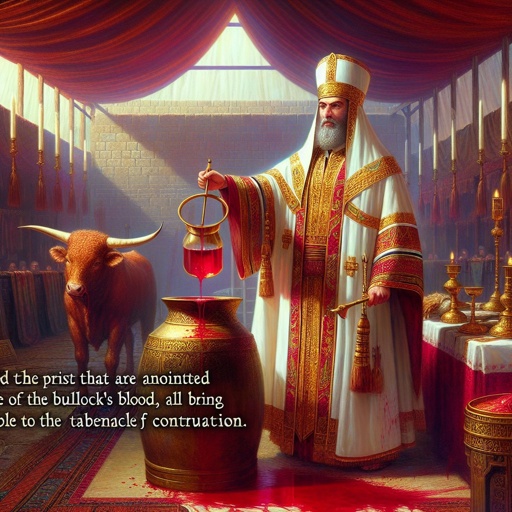
Leviticus 4:5 - "And the priest that is anointed shall take of the bullock's blood, and bring it to the tabernacle of the congregation:"

"¶ And the LORD spake unto Moses, saying," - Leviticus 23:9

Leviticus 16:9 - "And Aaron shall bring the goat upon which the LORD'S lot fell, and offer him for a sin offering."

Leviticus 24:4 - "He shall order the lamps upon the pure candlestick before the LORD continually."

Leviticus 23:4 - "¶ These are the feasts of the LORD, even holy convocations, which ye shall proclaim in their seasons."

Leviticus 9:13 - "And they presented the burnt offering unto him, with the pieces thereof, and the head: and he burnt them upon the altar."

Leviticus 9:5 - "¶ And they brought that which Moses commanded before the tabernacle of the congregation: and all the congregation drew near and stood before the LORD."