The Gift of Forgiveness: Understanding Atonement in Our Lives
"And the priest shall make an atonement for him as touching his sin that he hath sinned in one of these, and it shall be forgiven him: and the remnant shall be the priest’s, as a meat offering." - Leviticus 5:13
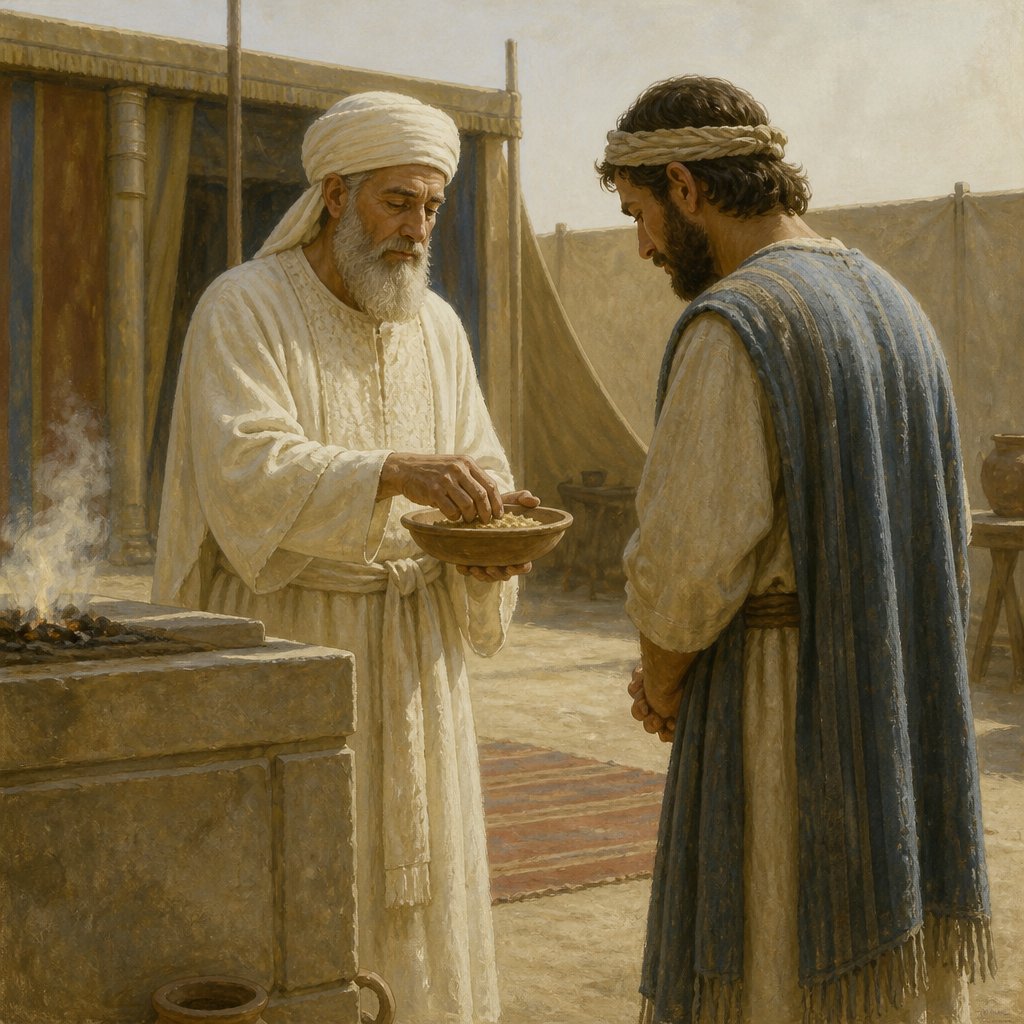
In the book of Leviticus, we encounter profound themes of atonement and forgiveness that resonate deeply within our faith. Leviticus 5:13 states, "And the priest shall make an atonement for him as touching his sin that he hath sinned in one of these, and it shall be forgiven him: and the remnant shall be the priest's, as a meat offering." This passage invites us to reflect on the nature of sin, the process of repentance, and the beauty of divine forgiveness.
To fully appreciate the significance of atonement, we must first understand what sin is. In the Old Testament context, sin is not merely an act of wrongdoing; it's a breach of covenant—the agreement between God and His people. Every sin separates us from God, creating a chasm that only atonement can bridge. The intricate laws and sacrifices established in Leviticus were God's gracious way of addressing this separation. The priest, as a mediator, represents the means through which God's holiness and justice intersect with His mercy.
Atonement is a powerful concept. In our passage, the priest's role is critical; it is through his actions that the sinner finds forgiveness. The phrase "shall make an atonement for him" reflects the idea that someone else—the priest—takes on the responsibility of mediation. This structure brings to light the deeper truth that our sins are not simply personal; they have communal and sacrificial implications. In essence, the priest's atonement reflects the character of God, reminding us that He is willing to cover our transgressions and restore us to a right relationship with Him.
Moreover, the verse encapsulates God's mercy; it proclaims, "and it shall be forgiven him." This promise is astonishing. No matter the gravity of one’s sin, God’s forgiveness is always within reach for those who approach Him with a sincere heart of repentance. It is a reminder that no weight of guilt is too heavy for His grace to bear. In the New Testament, this concept is fulfilled in Jesus Christ, who becomes the ultimate sacrifice for our sins. His atoning death on the cross provides a permanent remedy for our transgressions, demonstrating the depth of God's love and mercy.
Following the atonement, we see an interesting point made in the verse: "and the remnant shall be the priest's, as a meat offering." This clause illustrates the communal aspect of worship and sacrifice. It signifies that while forgiveness is a personal experience, it inevitably has implications for others as well. In sharing the remnants with the priest, we acknowledge the role of the community in our spiritual journeys. Just as the priest partakes in the offering, we are reminded that our acts of repentance and sacrifice also contribute to the spiritual health of the body of Christ.
In practical terms, how does this tie into our lives today? Applying the principle of atonement means engaging in regular self-reflection and repentance. It involves recognizing our sins and earnestly bringing them before God, understanding that He desires our restoration more than our punishment. In a world that is quick to judge, we must cultivate an atmosphere of grace and forgiveness among ourselves. Just as the priest models mediation for the sinner, we are called to extend grace to others, recognizing that everyone grapples with their own sin.
Finally, let us not forget that the act of atonement does not solely revolve around sin; it points us to the joy of reconciliation with God. As we grasp the weight of our sins, we should also revel in the glory of grace. Every time we seek forgiveness, we are reminded of the ceaseless love that God has for us and His unwavering desire to restore our relationship with Him. May we take the time to ponder over the gifts of forgiveness and grace in our lives and extend that same grace to others, fostering a community anchored in love and acceptance.
Want to reflect more on Leviticus 5:13?
Continue your spiritual journey with Bible Chat — an AI-powered tool for exploring God's Word through conversation. Ask questions, discover connections, and deepen your understanding.
Get Our Apps


Leviticus 5:13 Artwork

Leviticus 5:13 - "And the priest shall make an atonement for him as touching his sin that he hath sinned in one of these, and it shall be forgiven him: and the remnant shall be the priest's, as a meat offering."
"And the priest shall make an atonement for him as touching his sin that he hath sinned in one of these, and it shall be forgiven him: and the remnant shall be the priest's, as a meat offering." - Leviticus 5:13
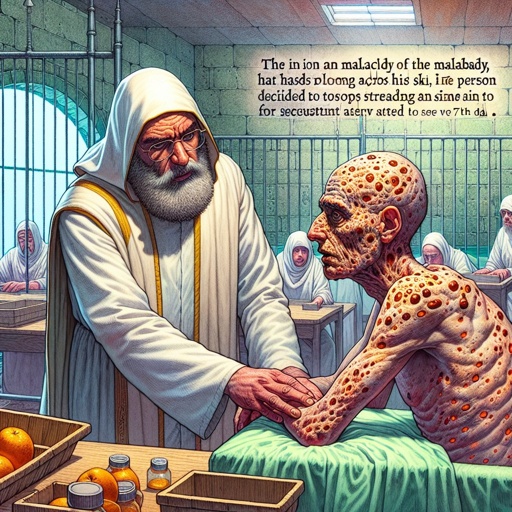
Leviticus 13:5 - "And the priest shall look on him the seventh day: and, behold, if the plague in his sight be at a stay, and the plague spread not in the skin; then the priest shall shut him up seven days more:"

Leviticus 24:13 - "And the LORD spake unto Moses, saying,"

Leviticus 21:13 - "And he shall take a wife in her virginity."

Leviticus 13:1 - "And the LORD spake unto Moses and Aaron, saying,"

Leviticus 5:14 - "¶ And the LORD spake unto Moses, saying,"

Leviticus 13:35 - "But if the scall spread much in the skin after his cleansing;"

Leviticus 13:29 - "¶ If a man or woman have a plague upon the head or the beard;"

Leviticus 13:18 - "¶ The flesh also, in which, even in the skin thereof, was a boil, and is healed,"

Leviticus 5:5 - "And it shall be, when he shall be guilty in one of these things, that he shall confess that he hath sinned in that thing:"

Leviticus 13:14 - "But when raw flesh appeareth in him, he shall be unclean."

Leviticus 23:5 - "In the fourteenth day of the first month at even is the LORD'S passover."

Leviticus 13:47 - "¶ The garment also that the plague of leprosy is in, whether it be a woollen garment, or a linen garment;"

Leviticus 13:9 - "¶ When the plague of leprosy is in a man, then he shall be brought unto the priest;"

Leviticus 13:22 - "And if it spread much abroad in the skin, then the priest shall pronounce him unclean: it is a plague."

Leviticus 25:13 - "In the year of this jubile ye shall return every man unto his possession."

Leviticus 6:13 - "The fire shall ever be burning upon the altar; it shall never go out."

Leviticus 5:19 - "It is a trespass offering: he hath certainly trespassed against the LORD."

Leviticus 13:19 - "And in the place of the boil there be a white rising, or a bright spot, white, and somewhat reddish, and it be shewed to the priest;"

Leviticus 8:5 - "And Moses said unto the congregation, This is the thing which the LORD commanded to be done."
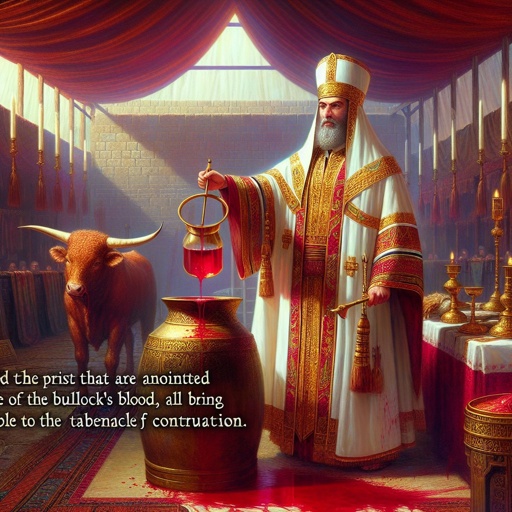
Leviticus 4:5 - "And the priest that is anointed shall take of the bullock's blood, and bring it to the tabernacle of the congregation:"

Leviticus 13:48 - "Whether it be in the warp, or woof; of linen, or of woollen; whether in a skin, or in any thing made of skin;"

Leviticus 13:50 - "And the priest shall look upon the plague, and shut up it that hath the plague seven days:"

Leviticus 13:13 - "Then the priest shall consider: and, behold, if the leprosy have covered all his flesh, he shall pronounce him clean that hath the plague: it is all turned white: he is clean."

Leviticus 27:13 - "But if he will at all redeem it, then he shall add a fifth part thereof unto thy estimation."

Leviticus 13:38 - "¶ If a man also or a woman have in the skin of their flesh bright spots, even white bright spots;"

Leviticus 13:16 - "Or if the raw flesh turn again, and be changed unto white, he shall come unto the priest;"

Leviticus 13:15 - "And the priest shall see the raw flesh, and pronounce him to be unclean: for the raw flesh is unclean: it is a leprosy."

Leviticus 13:40 - "And the man whose hair is fallen off his head, he is bald; yet is he clean."