The Unquenchable Fire: Sustaining Our Offering before God
"And the fire upon the altar shall be burning in it; it shall not be put out: and the priest shall burn wood on it every morning, and lay the burnt offering in order upon it; and he shall burn thereon the fat of the peace offerings." - Leviticus 6:12
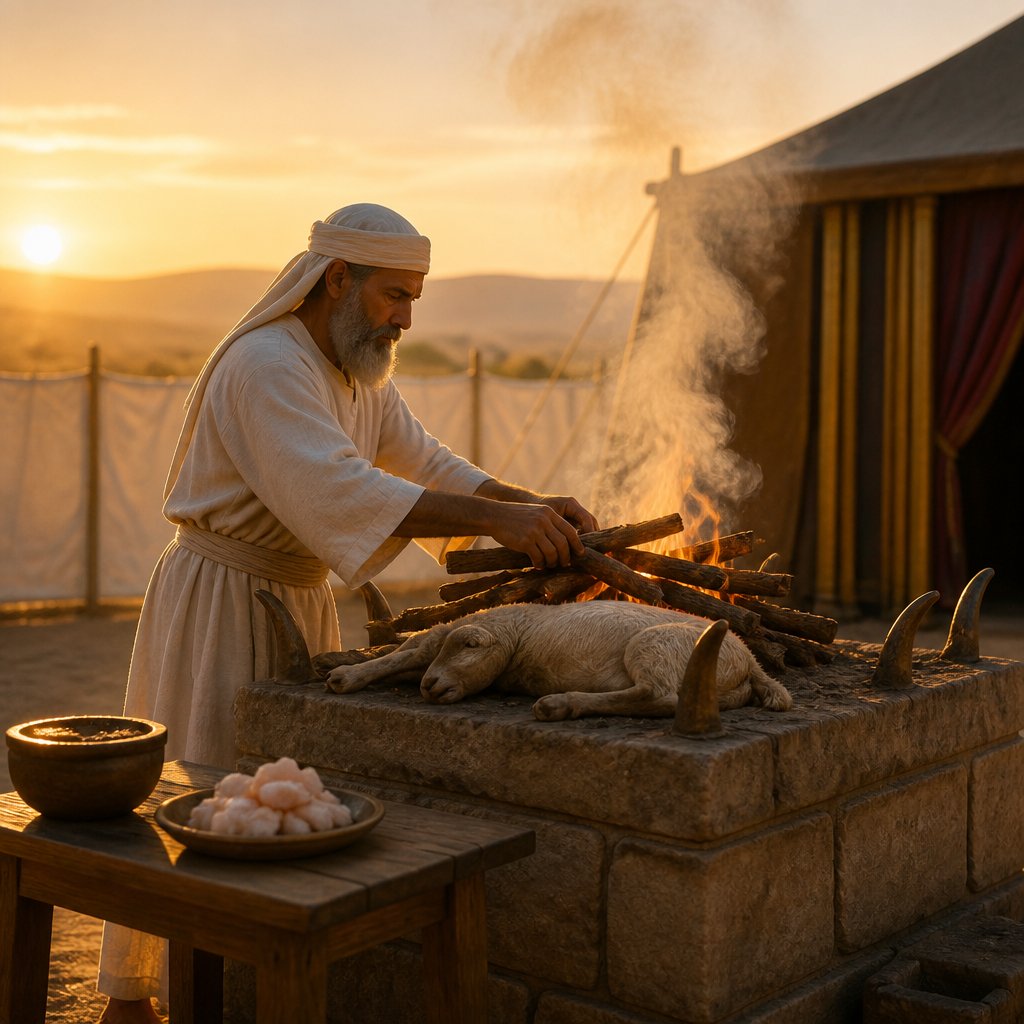
In Leviticus 6:12, we find a profound instruction regarding the sacrificial system ordained by God: “And the fire upon the altar shall be burning in it; it shall not be put out: and the priest shall burn wood on it every morning, and lay the burnt offering in order upon it; and he shall burn thereon the fat of the peace offerings.” This verse encapsulates the importance of maintaining a continual fire—in both a literal and spiritual sense. As we delve into this scripture, we uncover the significance of preparation, consistency, and the sacredness of our offerings to God.
The first aspect of this verse emphasizes that the fire on the altar must not go out. This instruction points to the necessity of care and vigilance. In the ancient Israelite context, the altar was central to worship and communion with God. It signified the place where offerings were made, where sin was atoned for, and where God’s presence could be felt. To allow the fire to extinguish was to allow the connection with God to diminish. Similarly, in our spiritual lives, we must be diligent to ensure that the fire of our faith and relationship with God burns brightly.
This fire represents our passions, our worship, and our heartfelt offerings to God. The act of keeping it lit requires intentional actions—much like our daily life in walking with Christ. The Apostle Paul exhorts us in Romans 12:1 to present our bodies as a living sacrifice, holy and acceptable to God, which is our reasonable service. Just as the priests were commanded to manage the fire, we too are called to nurture our spiritual fire through prayer, scripture reading, worship, and acts of service. If we neglect these duties, our fire risks extinguishing through apathy, distractions of daily life, or spiritual laziness. Consequently, we might feel disconnected from God, our hearts cold, and our spiritual lives barren.
Next, the priest is instructed to burn wood on the altar every morning. This signifies the importance of a fresh supply of fuel for the fire. In the spiritual analogy, it speaks to the necessity of dedicating each day to God anew. Each morning brings with it fresh mercy and grace; thus, we should also commit our hearts to the Lord. In Lamentations 3:22-23, we are reminded that the mercies of the Lord are new every morning. Just as the priests added wood to the altar, we should approach each day purposefully, seeking to add fuel to our relationship with God through prayer and study.
Moreover, the structure of worship is highlighted in this passage, where the burnt offerings are laid in order upon the altar. The burnt offering represents total consecration to God, a complete surrender of oneself. This act of laying things in order before God speaks to the necessity of having organized and heartfelt offerings. In our spiritual walk, we must ensure our lives are aligned with God’s will, laying down our ambitions, fears, and desires in an orderly manner that reflects our love and submission to Him.
Finally, the verse concludes with the instruction regarding the peace offerings. The fat of the peace offerings symbolizes fellowship with God and the joy that comes from being reconciled to Him. This connection blesses us with peace, an assurance that we are in harmony with our Maker. In Philippians 4:7, we are reminded that the peace of God, which surpasses all understanding, will guard our hearts and minds through Christ Jesus. When we maintain our fire, keep our offerings organized, and engage in fellowship with God, we invite His peace into our lives.
In conclusion, Leviticus 6:12 serves as a rich metaphor for our spiritual lives today. Let us commit to keep the fire of our faith burning bright, faithfully add the wood of daily dedication, and lay our offerings before our holy God with order and respect. May we foster peace and maintain an ongoing, vibrant relationship with Him that not only blesses our lives but ultimately brings glory to His name.
Want to reflect more on Leviticus 6:12?
Continue your spiritual journey with Bible Chat — an AI-powered tool for exploring God's Word through conversation. Ask questions, discover connections, and deepen your understanding.
Get Our Apps


Leviticus 6:12 Artwork

Leviticus 6:12 - "And the fire upon the altar shall be burning in it; it shall not be put out: and the priest shall burn wood on it every morning, and lay the burnt offering in order upon it; and he shall burn thereon the fat of the peace offerings."
"And the fire upon the altar shall be burning in it; it shall not be put out: and the priest shall burn wood on it every morning, and lay the burnt offering in order upon it; and he shall burn thereon the fat of the peace offerings." - Leviticus 6:12

Leviticus 12:6 - "And when the days of her purifying are fulfilled, for a son, or for a daughter, she shall bring a lamb of the first year for a burnt offering, and a young pigeon, or a turtledove, for a sin offering, unto the door of the tabernacle of the congregation, unto the priest:"
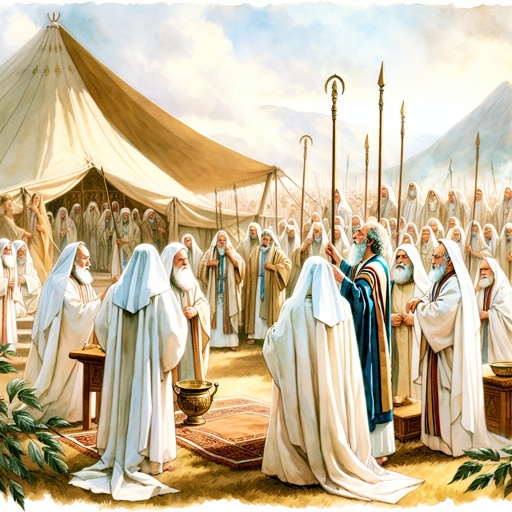
Leviticus 8:1-12

Leviticus 26: 4-6
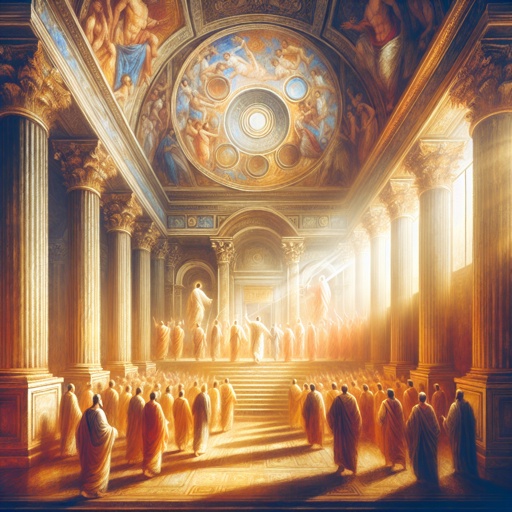
Leviticus 26: 4-6

Leviticus 26: 4-6

Leviticus 12:1 - "And the LORD spake unto Moses, saying,"

Leviticus 6:24 - "¶ And the LORD spake unto Moses, saying,"

Leviticus 6:8 - "¶ And the LORD spake unto Moses, saying,"

Leviticus 12:3 - "And in the eighth day the flesh of his foreskin shall be circumcised."

Leviticus 6:19 - "¶ And the LORD spake unto Moses, saying,"

Leviticus 6:1 - "And the LORD spake unto Moses, saying,"

Leviticus 24:12 - "And they put him in ward, that the mind of the LORD might be shewed them."

Leviticus 3:12 - "¶ And if his offering be a goat, then he shall offer it before the LORD."

Leviticus 1:6 - "And he shall flay the burnt offering, and cut it into his pieces."

Leviticus 8:6 - "And Moses brought Aaron and his sons, and washed them with water."

Leviticus 2:6 - "Thou shalt part it in pieces, and pour oil thereon: it is a meat offering."

Leviticus 26:12 - "And I will walk among you, and will be your God, and ye shall be my people."

Leviticus 11:12 - "Whatsoever hath no fins nor scales in the waters, that shall be an abomination unto you."
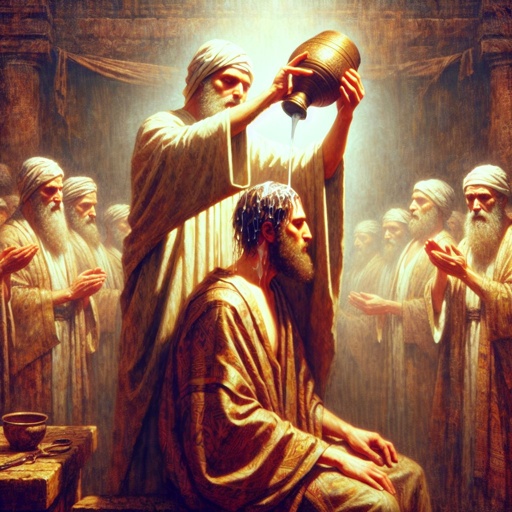
Leviticus 8:12 - "And he poured of the anointing oil upon Aaron's head, and anointed him, to sanctify him."

Leviticus 6:23 - "For every meat offering for the priest shall be wholly burnt: it shall not be eaten."

Leviticus 6:29 - "All the males among the priests shall eat thereof: it is most holy."

Leviticus 6:13 - "The fire shall ever be burning upon the altar; it shall never go out."

Leviticus 6:6 - "And he shall bring his trespass offering unto the LORD, a ram without blemish out of the flock, with thy estimation, for a trespass offering, unto the priest:"

Leviticus 25:12 - "For it is the jubile; it shall be holy unto you: ye shall eat the increase thereof out of the field."

"And the LORD spake unto Moses, saying," - Leviticus 12:1

Leviticus 18:12 - "Thou shalt not uncover the nakedness of thy father's sister: she is thy father's near kinswoman."

Leviticus 22:12 - "If the priest's daughter also be married unto a stranger, she may not eat of an offering of the holy things."

Leviticus 27:12 - "And the priest shall value it, whether it be good or bad: as thou valuest it, who art the priest, so shall it be."