The Great Exchange: From Ashes to Cleanness
“And he shall put off his garments, and put on other garments, and carry forth the ashes without the camp unto a clean place.” — Leviticus 6:11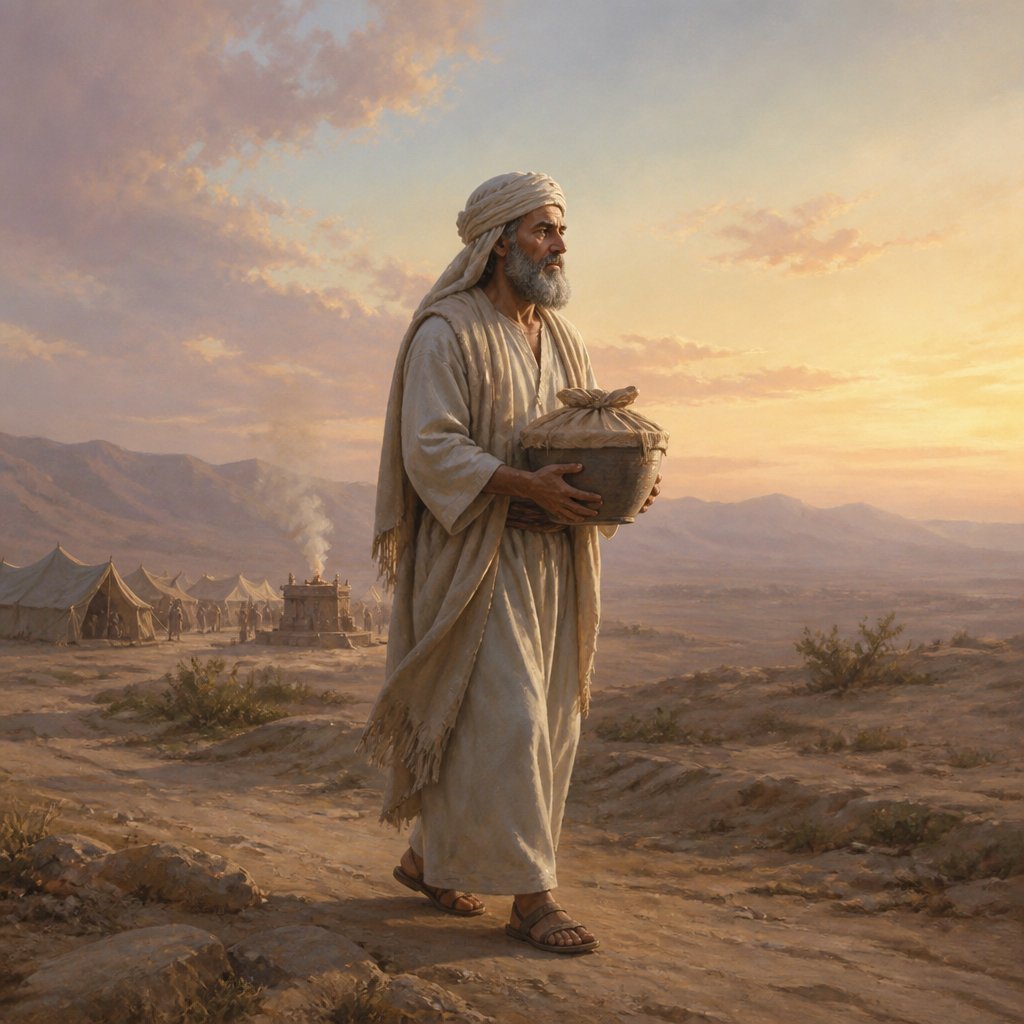
When we delve into Leviticus 6:11, we encounter a directive that holds profound spiritual significance: "And he shall put off his garments, and put on other garments, and carry forth the ashes without the camp unto a clean place." At first glance, this verse appears to be merely procedural, a matter of ceremonial cleanliness in the rituals of the ancient Israelites regarding the offerings made to God. However, when we reflect deeply, we uncover layers of meaning that speak directly to our life as believers today.
The context of this directive revolves around the offerings presented to God, specifically the burnt offerings, which absorbed all the sins and shortcomings of the people. The ashes symbolized the remnants of these offerings, the 'flesh' that had been consumed by the fire. In a way, the ashes represent our failures, our sins, and the remnants of our past life before we embraced our faith in Christ.
The act of putting off old garments is emblematic of shedding our old selves. In Ephesians 4:22–24, Paul exhorts us to put off our old man, which is corrupt according to deceitful lusts, and to be renewed in the spirit of our mind, and to put on the new man, which after God is created in righteousness and true holiness. Just as the Levite or priest removed his garments stained by the ashes, we too are called to set aside our old ways, our sins, and the burdens that weigh us down. This act of removal is not merely about abandoning behaviors, but about an intentional decision to leave behind a former identity that does not reflect our redeemed status in Christ.
The priests then put on other garments—this speaks not just of physical clothing, but of the transformation that occurs in a believer's life. When we come to faith, we are clothed with righteousness. Isaiah 61:10 speaks beautifully of this: "I will greatly rejoice in the LORD, my soul shall be joyful in my God; for he hath clothed me with the garments of salvation, he hath covered me with the robe of righteousness…" Just as the priest donned new garments, we are invited to wear the garments of salvation bestowed upon us by our Savior. This robe represents purity, acceptance, and identity as children of God.
After changing garments, the priest is tasked with carrying forth the ashes to a 'clean place' outside the camp. This part of the directive deepens the metaphor of spiritual cleansing and renewal. It signifies the need to remove our past sins from our lives, carrying them far from our hearts and minds. Just as the priest took the ashes far away, we are encouraged to move beyond our past failures and sins, finding a fresh start in Christ. In 2 Corinthians 5:17, we are reminded that if anyone is in Christ, he is a new creation; old things have passed away; behold, all things are become new.
This purposeful act of cleanliness and distance from what has been is critical. It demonstrates that while we acknowledge our past, it does not define us. The ashes of sin must be taken to a clean place, symbolizing God's readiness to transform us and offer us a new identity in Him. Our journey as believers involves continually letting go of the ashes of our past and stepping into the new life God has for us.
As we reflect on Leviticus 6:11, let’s assess our lives: what old garments do we need to cast off? What ashes do we still carry with us? Are there remnants of guilt that need to be transferred to God’s wastebasket of grace? Today, embrace the opportunity to put on your new identity in Christ—clad in His righteousness and grace—and joyously carry forth the ashes of your past, knowing they have no hold on you anymore.
In this ongoing journey of faith, remember that God's invitation is one of continual exchange—ash for beauty, shame for honor, death for life. Let each day be a fresh start; carry your ashes to a clean place, embracing the new garments God has provided for you.
Get our apps


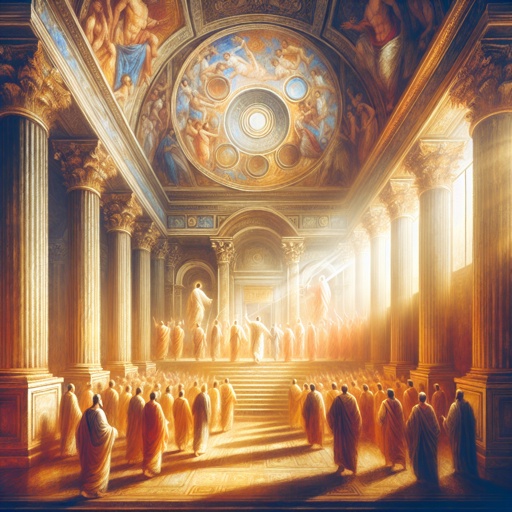
Artwork for Leviticus 6:11

Leviticus 6:11 - "And he shall put off his garments, and put on other garments, and carry forth the ashes without the camp unto a clean place."
"And he shall put off his garments, and put on other garments, and carry forth the ashes without the camp unto a clean place." - Leviticus 6:11

Leviticus 11:6 - "And the hare, because he cheweth the cud, but divideth not the hoof; he is unclean unto you."

"And the hare, because he cheweth the cud, but divideth not the hoof; he is unclean unto you." - Leviticus 11:6
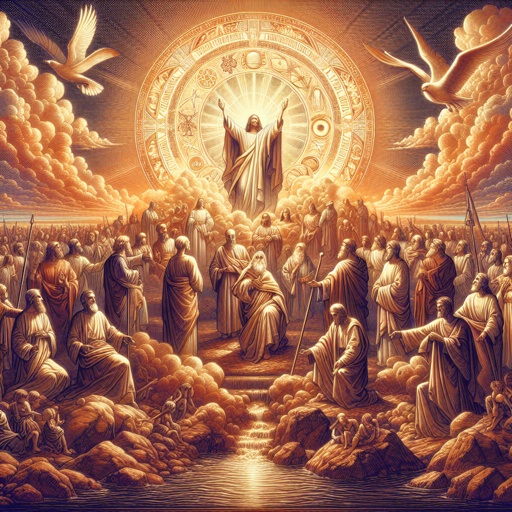
Leviticus 11:22
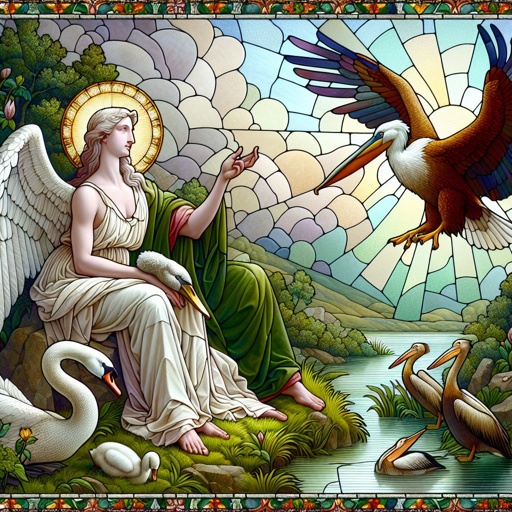
Leviticus 11:18 - "And the swan, and the pelican, and the gier eagle,"

Leviticus 11:17 - "And the little owl, and the cormorant, and the great owl,"

Leviticus 11:14 - "And the vulture, and the kite after his kind;"

Leviticus 11:15 - "Every raven after his kind;"

Leviticus 26: 4-6
Leviticus 26: 4-6

Leviticus 26: 4-6

Leviticus 11:30 - "And the ferret, and the chameleon, and the lizard, and the snail, and the mole."

Leviticus 6:24 - "¶ And the LORD spake unto Moses, saying,"

Leviticus 6:8 - "¶ And the LORD spake unto Moses, saying,"

Leviticus 11:19 - "And the stork, the heron after her kind, and the lapwing, and the bat."

Leviticus 6:19 - "¶ And the LORD spake unto Moses, saying,"

Leviticus 6:1 - "And the LORD spake unto Moses, saying,"

Leviticus 9:11 - "And the flesh and the hide he burnt with fire without the camp."

Leviticus 11:1 - "And the LORD spake unto Moses and to Aaron, saying unto them,"

Leviticus 11:16 - "And the owl, and the night hawk, and the cuckow, and the hawk after his kind,"

Leviticus 1:6 - "And he shall flay the burnt offering, and cut it into his pieces."

Leviticus 11:41 - "And every creeping thing that creepeth upon the earth shall be an abomination; it shall not be eaten."

Leviticus 19:11 - "¶ Ye shall not steal, neither deal falsely, neither lie one to another."

Leviticus 7:11 - "And this is the law of the sacrifice of peace offerings, which he shall offer unto the LORD."

Leviticus 8:6 - "And Moses brought Aaron and his sons, and washed them with water."

Leviticus 2:6 - "Thou shalt part it in pieces, and pour oil thereon: it is a meat offering."

"And the swan, and the pelican, and the gier eagle," - Leviticus 11:18

Leviticus 11:12 - "Whatsoever hath no fins nor scales in the waters, that shall be an abomination unto you."

Leviticus 11:8 - "Of their flesh shall ye not eat, and their carcase shall ye not touch; they are unclean to you."