Feasting in the Presence of God: Lessons from Leviticus 6:16
“And the remainder thereof shall Aaron and his sons eat: with unleavened bread shall it be eaten in the holy place; in the court of the tabernacle of the congregation they shall eat it.” — Leviticus 6:16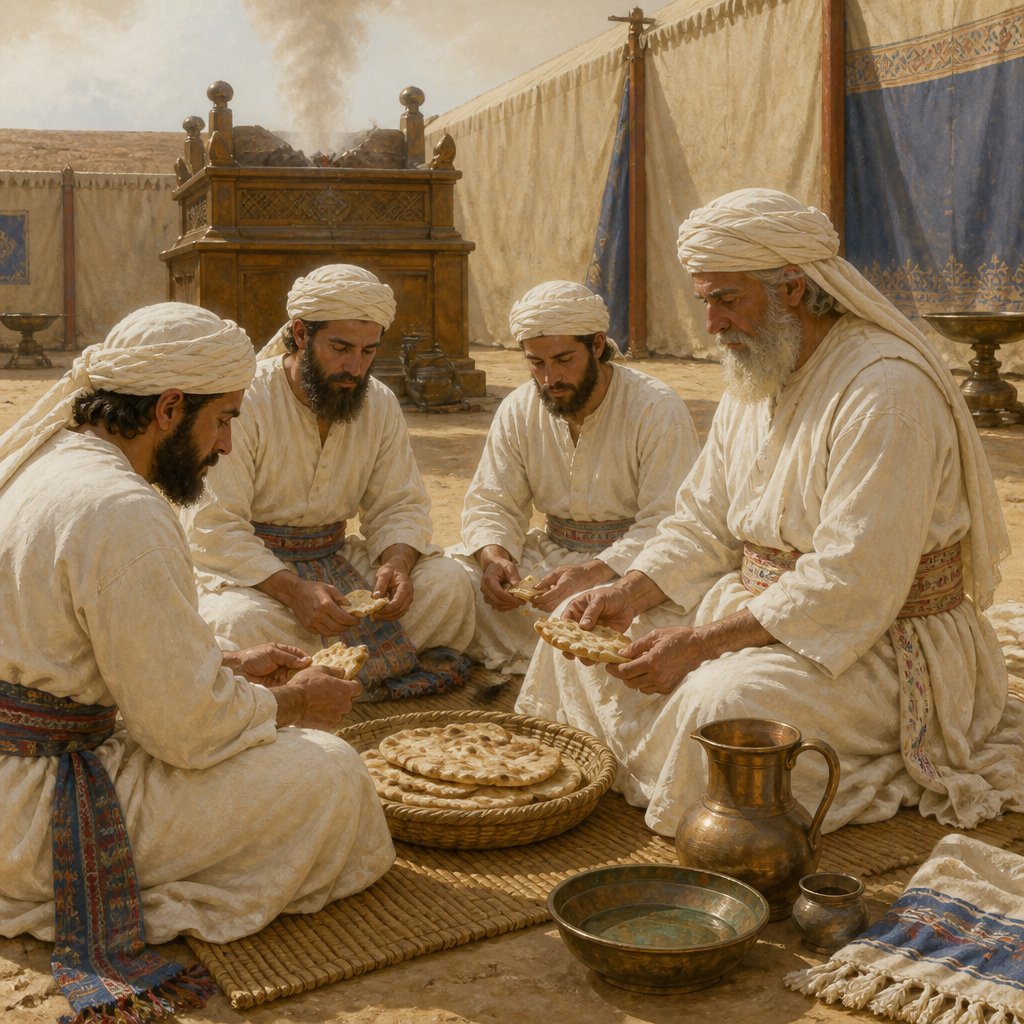
Leviticus 6:16 presents us with profound insights into the sacredness of offerings, the role of priesthood, and the importance of community worship. The verse states: "And the remainder thereof shall Aaron and his sons eat: with unleavened bread shall it be eaten in the holy place; in the court of the tabernacle of the congregation they shall eat it."
This passage is nestled within the laws concerning the offerings made by the Israelites, specifically the sin offering and the grain offering. Here, we observe a series of divine instructions on how these offerings should not only be made but also enjoyed by those serving in the holy office. God commanded that the leftovers from the offerings were to be consumed by Aaron and his sons, establishing a physical link between the sacred rituals and the priests who represented the people before God.
In understanding this directive, we must first appreciate the significance of the act itself—the consumption of the offering in a designated holy place. Eating is a fundamental human activity that binds individuals together in communion and fellowship. It represents sharing, nurturing, and caring for one another within a community. By commanding that the offerings be eaten in the holy place, God emphasizes the importance of fellowship between Himself, the priests, and the people of Israel. Truly, worship is not merely a ritualistic act but an invitation into a deeper relationship with God.
Moreover, the unleavened bread accompanying the offering signifies purity and holiness, characteristics that reflect God's nature. In the holiness of the bread and the sacredness of the space, we are reminded of the divine presence that fills our lives, and the call to partake in it with reverence and gratitude. The act of eating unleavened bread in the holy place accentuates our need to approach God with a pure heart, free from the leaven of sin and hypocrisy.
As modern believers, how can we apply this ancient instruction to our lives? First and foremost, we are called to acknowledge our own priesthood in Christ as stated in 1 Peter 2:9, where we are reminded that we are a "royal priesthood." This means we too have the authority and the responsibility to present offerings of our lives—our time, talents, and resources—before God. Just as Aaron and his sons feasted on the offerings, we are invited to experience the fullness of life found in Christ. Our spiritual offerings, much like the grain and sin offerings, are meant to foster communion with God and community with one another.
Furthermore, when we partake in Communion, we reconnect with this symbolism. The unleavened bread and the wine represent Christ’s body and blood—a fresh reminder that in consuming them, we are joined with Him and with each other. It’s a celebration of relationship; a testament to His sacrifice and a commitment to live our lives in accordance with His will. This sacred meal is not to be taken lightly, as it stands as a powerful act of remembrance and affirmation of our identity as children of God.
Additionally, Leviticus 6:16 instructs us that this act should take place within the community—the court of the tabernacle. Community is vital in our faith journey. Just as the priests shared the offerings among themselves, we are encouraged to share our faith journeys, struggles, and joys within our faith communities. It is in these shared experiences that we find encouragement, accountability, and love.
In conclusion, Leviticus 6:16 serves as a powerful reminder of the importance of approaching God with offerings from the heart, embracing both the holiness of these gifts and the communal aspect of worship. Let us commit to living lives worthy of His calling, sharing the blessings He provides in community, and celebrating the opportunity to feast in His presence, drawing strength and joy from our relationship with Him and each other.
Get our apps


Artwork for Leviticus 6:16
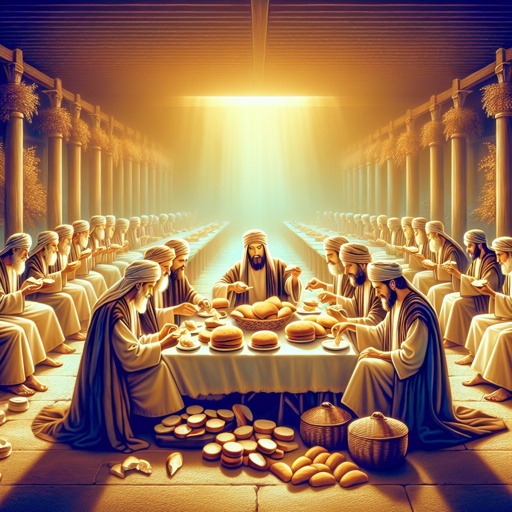
Leviticus 6:16 - "And the remainder thereof shall Aaron and his sons eat: with unleavened bread shall it be eaten in the holy place; in the court of the tabernacle of the congregation they shall eat it."
"And the remainder thereof shall Aaron and his sons eat: with unleavened bread shall it be eaten in the holy place; in the court of the tabernacle of the congregation they shall eat it." - Leviticus 6:16

Leviticus 16:6 - "And Aaron shall offer his bullock of the sin offering, which is for himself, and make an atonement for himself, and for his house."

Leviticus 16:8

leviticus 16:7-10
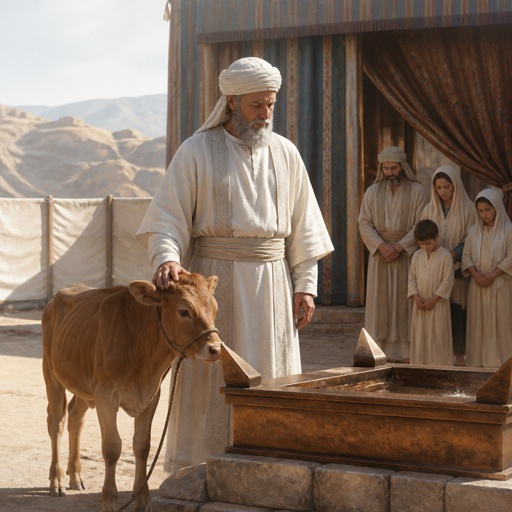
"And Aaron shall offer his bullock of the sin offering, which is for himself, and make an atonement for himself, and for his house." - Leviticus 16:6

Leviticus 21:16 - "¶ And the LORD spake unto Moses, saying,"

Leviticus 26: 4-6
Leviticus 26: 4-6

Leviticus 26: 4-6

Leviticus 9:16 - "And he brought the burnt offering, and offered it according to the manner."

Leviticus 4:16 - "And the priest that is anointed shall bring of the bullock's blood to the tabernacle of the congregation:"

Leviticus 11:16 - "And the owl, and the night hawk, and the cuckow, and the hawk after his kind,"

Leviticus 16:25 - "And the fat of the sin offering shall he burn upon the altar."

Leviticus 6:24 - "¶ And the LORD spake unto Moses, saying,"

Leviticus 6:8 - "¶ And the LORD spake unto Moses, saying,"

Leviticus 6:19 - "¶ And the LORD spake unto Moses, saying,"

Leviticus 6:1 - "And the LORD spake unto Moses, saying,"

Leviticus 18:16 - "Thou shalt not uncover the nakedness of thy brother's wife: it is thy brother's nakedness."

Leviticus 1:6 - "And he shall flay the burnt offering, and cut it into his pieces."

Leviticus 8:6 - "And Moses brought Aaron and his sons, and washed them with water."

Leviticus 16:31 - "It shall be a sabbath of rest unto you, and ye shall afflict your souls, by a statute for ever."

Leviticus 13:16 - "Or if the raw flesh turn again, and be changed unto white, he shall come unto the priest;"

Leviticus 17:16 - "But if he wash them not, nor bathe his flesh; then he shall bear his iniquity."

Leviticus 16:7 - "And he shall take the two goats, and present them before the LORD at the door of the tabernacle of the congregation."
"¶ And the LORD spake unto Moses, saying," - Leviticus 21:16

Leviticus 2:6 - "Thou shalt part it in pieces, and pour oil thereon: it is a meat offering."

Leviticus 6:29 - "All the males among the priests shall eat thereof: it is most holy."

Leviticus 6:23 - "For every meat offering for the priest shall be wholly burnt: it shall not be eaten."

Leviticus 16:9 - "And Aaron shall bring the goat upon which the LORD'S lot fell, and offer him for a sin offering."