The Call to Holiness: Understanding Leviticus 7:21
“Moreover the soul that shall touch any unclean thing, as the uncleanness of man, or any unclean beast, or any abominable unclean thing, and eat of the flesh of the sacrifice of peace offerings, which pertain unto the LORD, even that soul shall be cut off from his people.” — Leviticus 7:21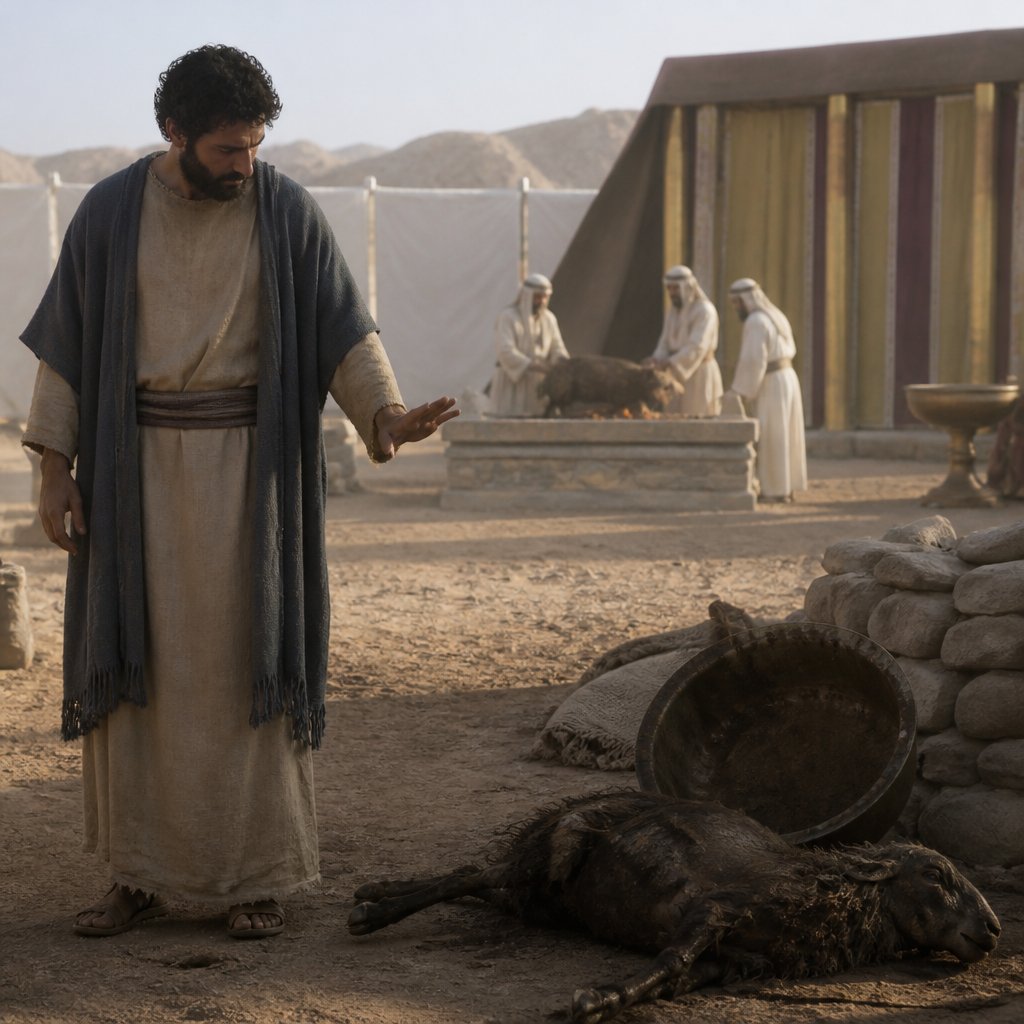
In the ancient context of Israel, the book of Leviticus is not merely a set of ritualistic regulations, but rather a profound declaration of God's desire for His people to live in holiness and obedience. In Leviticus 7:21, we stumble upon a pivotal spiritual principle that reverberates through the ages, commanding our attention and urging us to reassess our spiritual lives: "Moreover the soul that shall touch any unclean thing, as the uncleanness of man, or any unclean beast, or any abominable unclean thing, and eat of the flesh of the sacrifice of peace offerings, which pertain unto the LORD, even that soul shall be cut off from his people." (KJV)
The context of this verse is crucial. God was setting forth the standard for the people of Israel, articulating clearly the distinction between clean and unclean. This distinction was not merely about physical cleanliness; it represented moral and spiritual purity. Touching something unclean, whether it was an unclean animal or influenced by human sinfulness, symbolized a dangerous mingling with contamination that could lead to spiritual death. The specific reference to "the flesh of the sacrifice of peace offerings" underlines a serious warning. These sacrifices were sacred, intended to foster a relationship between God and His people, meant to be holy and undefiled. Therefore, engaging with both the holy and the unclean presented a risk of separation from God’s blessings.
To the Israelites, the sacrificial system was a focal point of their worship and relationship with God. But the act of partaking in a peace offering while being tainted by uncleanness directly contradicted the sacredness of the offering. The consequences were severe: being "cut off from his people" indicates a deep separation, both from community and from God. It is a stark reminder that unholiness has a cost—an existential cost that leads to isolation from God's presence and the community that is supposed to reflect His glory.
Fast forward to our contemporary context, we may not offer physical sacrifices, but we too are called to a life of holiness. The scriptures continually exhort us to be mindful of what we touch and partake in spiritually. Paul captures this concept beautifully in 1 Corinthians 10:21 when he states, "Ye cannot drink the cup of the Lord, and the cup of devils: ye cannot be partakers of the Lord’s table, and of the table of devils." Our hearts need to be vigilant and strive towards purity in our thoughts, actions, and relationships.
The world around us is fraught with temptations and compromises that can lead to spiritual uncleanness. Whether through media influences, sinful habits, or negative peer pressures, these "unclean things" infiltrate our lives and threaten to dilute our commitment to God. It's crucial that we examine our spiritual lives holistically and evaluate the fruits of our exposure to various influences. What are we consuming in our hearts and minds? Are we interacting with elements that could lead us away from the purity God desires for us?
Leviticus 7:21 implores us to be aware of our surroundings and the spiritual landscapes we traverse. Walking in holiness requires active engagement—seeking to align our lives with God’s standards, setting boundaries where sin may seek to creep in, and practicing discernment in our choices.
As believers, we find hope not solely in the law, but in the grace of Jesus Christ. His sacrifice has cleansed us from all unrighteousness, but let us not take this grace for granted. While we are washed clean, we are also called to live in a way that reflects that cleansing. May we therefore strive to live a life pleasing to God, one that honors Him, respects His holiness, and continually chooses to reject the unclean. Let us remember that our decisions carry weight; they shape our identity and our relationship with God.
In closing, let this scripture stir a desire within us to pursue holiness, ensuring that we remain connected with our Creator rather than estranged by our own choices. Let us lean into His strength to navigate this challenging world, constantly mindful of the beautiful relationship we have through Christ, which calls us to not only partake in His peace offerings but to do so with hearts and hands that are clean.
Get our apps


Artwork for Leviticus 7:21

Leviticus 7:21 - "Moreover the soul that shall touch any unclean thing, as the uncleanness of man, or any unclean beast, or any abominable unclean thing, and eat of the flesh of the sacrifice of peace offerings, which pertain unto the LORD, even that soul shall be cut off from his people."
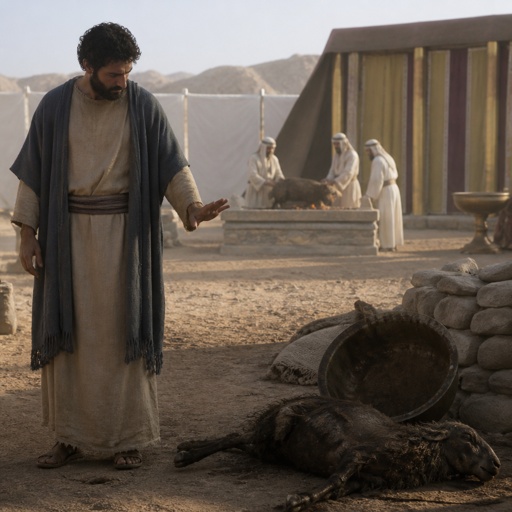
"Moreover the soul that shall touch any unclean thing, as the uncleanness of man, or any unclean beast, or any abominable unclean thing, and eat of the flesh of the sacrifice of peace offerings, which pertain unto the LORD, even that soul shall be cut off from his people." - Leviticus 7:21

Leviticus 21:7 - "They shall not take a wife that is a whore, or profane; neither shall they take a woman put away from her husband: for he is holy unto his God."

Leviticus 23:21

Leviticus 23:21

Leviticus 23:21

Leviticus 23:21

Leviticus 23:21

Leviticus 23:21

Leviticus 21:19 - "Or a man that is brokenfooted, or brokenhanded,"

Leviticus 21:16 - "¶ And the LORD spake unto Moses, saying,"

Leviticus 21:13 - "And he shall take a wife in her virginity."

Leviticus 17:7

"Or a man that is brokenfooted, or brokenhanded," - Leviticus 21:19

leviticus 16:7-10

Leviticus 21:22 - "He shall eat the bread of his God, both of the most holy, and of the holy."

Leviticus 21:24 - "And Moses told it unto Aaron, and to his sons, and unto all the children of Israel."

Leviticus 7:22 - "¶ And the LORD spake unto Moses, saying,"

Leviticus 7:28 - "¶ And the LORD spake unto Moses, saying,"

Leviticus 9:21 - "And the breasts and the right shoulder Aaron waved for a wave offering before the LORD; as Moses commanded."

Leviticus 21:4 - "But he shall not defile himself, being a chief man among his people, to profane himself."

Leviticus 21:20 - "Or crookbackt, or a dwarf, or that hath a blemish in his eye, or be scurvy, or scabbed, or hath his stones broken;"

Leviticus 7:1 - "Likewise this is the law of the trespass offering: it is most holy."

Leviticus 7:7 - "As the sin offering is, so is the trespass offering: there is one law for them: the priest that maketh atonement therewith shall have it."
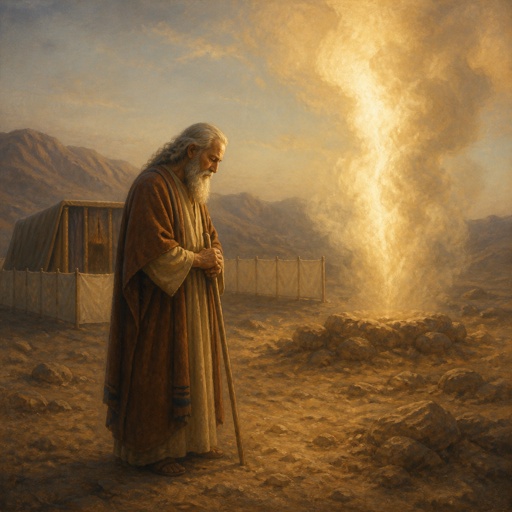
"¶ And the LORD spake unto Moses, saying," - Leviticus 21:16
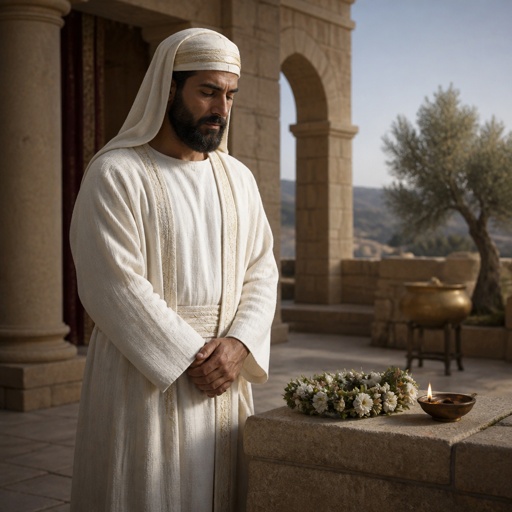
"They shall not take a wife that is a whore, or profane; neither shall they take a woman put away from her husband: for he is holy unto his God." - Leviticus 21:7

Leviticus 19:7 - "And if it be eaten at all on the third day, it is abominable; it shall not be accepted."

Leviticus 24:21 - "And he that killeth a beast, he shall restore it: and he that killeth a man, he shall be put to death."

Leviticus 21:21 - "No man that hath a blemish of the seed of Aaron the priest shall come nigh to offer the offerings of the LORD made by fire: he hath a blemish; he shall not come nigh to offer the bread of his God."

Leviticus 7:17 - "But the remainder of the flesh of the sacrifice on the third day shall be burnt with fire."