Feasting in Holiness: Understanding the Sacredness of God's Provision
“Every male among the priests shall eat thereof: it shall be eaten in the holy place: it is most holy.” — Leviticus 7:6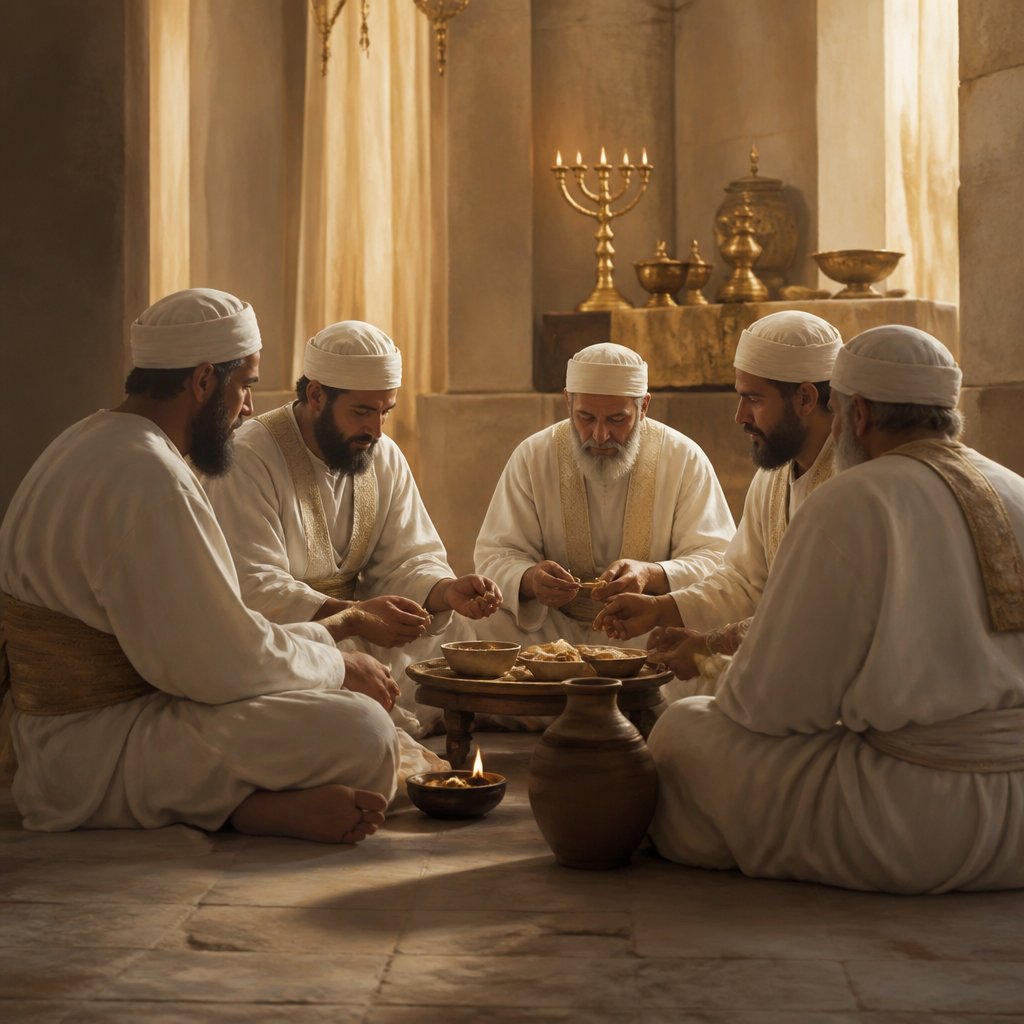
The book of Leviticus, often seen as a manual of laws for the Israelites, presents foundational truths about the holiness of God and the importance of sacred practices. In Leviticus 7:6, it is recorded: "Every male among the priests shall eat thereof: it shall be eaten in the holy place: it is most holy." This singular verse encapsulates profound truths concerning holiness, service, and the divine provision we receive as followers of God.
As we delve into the implications of this verse, we must first recognize the significance of holiness within the context of the Old Testament. Holiness is not merely a state of being; it encapsulates the very essence of who God is. God commanded the Israelites to approach Him with reverence, acknowledging the boundary between the sacred and the common. The priests, in their unique role, were called to mediate between God and the people, serving in the temple where they would perform sacred duties.
The phrase, "Every male among the priests shall eat thereof," speaks to the inclusivity of God's provision among those He has set apart for service. It highlights how God, in His economy, provides sustenance to His servants. In a practical sense, the priests consumed the offerings brought forth by the people, symbolizing the communion between God and humanity. Whenever we think about God’s provision, we are reminded that He sustains those who serve Him. The priests, as representatives of the people before God, enjoyed privileges that came with their vocation. Their eating in the holy place signifies a deep sense of belonging and participation in the divine narrative.
Additionally, the instruction that these offerings shall be eaten "in the holy place" emphasizes that our communion with God must occur in a sacred context. It illustrates not only the physical act of consuming food but also the invitation to partake spiritually in what has been divinely provided. In the New Testament, we read about the transformative power of communion when Jesus took bread and wine at the Last Supper, inviting us to remember His sacrifice and celebrate His covenant. Just as the priests partook of the offerings, we are invited to engage with the spiritual sustenance found in Christ.
When we consider the ceremony of sacrifice and the subsequent feasting, we grasp that this act was not merely about consumption; it was an act of worship and gratitude. Through this divine provision, we acknowledge our dependence on God and His divine mercy in meeting our needs. Each meal shared in the holy context becomes an act of reverence, a declaration of faith, and a communal experience of God’s goodness. For the priests, the food was not just sustenance but a reminder of their high calling and the sacredness of their task—serving God and His people.
The concluding words, "it is most holy," serve as a compelling reminder that what is set apart by God for His purposes carries His weight of glory and significance. In our daily lives, we must respect the sacredness of God’s gifts to us. Every relationship, provision, or act of service should be approached with a mindset that honors the holiness inherent in them. When we engage in communion, service, or even the simplest acts of kindness, we do so in recognition of His holiness and our role as His ambassadors on Earth.
In practical application, let us consider how we honor the provisions in our lives—Do we view our sustenance as a gift from God? Are our acts of service done in a holy manner? Do we approach our spiritual practices with the reverence they deserve? By reflecting on Leviticus 7:6, we understand the profound relationship we have with God through Christ, who offers us the opportunity to dwell in the holy place, partake in His feast, and serve a community that requires our sacred engagement. The essence of this verse beckons us to embrace our identity in Christ, where we can feast not just on food, but also on the word of God and the sacred relationships He has blessed us with.
Get our apps


Artwork for Leviticus 7:6

Leviticus 7:6 - "Every male among the priests shall eat thereof: it shall be eaten in the holy place: it is most holy."
"Every male among the priests shall eat thereof: it shall be eaten in the holy place: it is most holy." - Leviticus 7:6

Leviticus 6:7 - "And the priest shall make an atonement for him before the LORD: and it shall be forgiven him for any thing of all that he hath done in trespassing therein."

Leviticus 17:7

Leviticus 26: 4-6

leviticus 16:7-10

Leviticus 26: 4-6

Leviticus 26: 4-6

Leviticus 6:24 - "¶ And the LORD spake unto Moses, saying,"

Leviticus 6:8 - "¶ And the LORD spake unto Moses, saying,"

Leviticus 6:19 - "¶ And the LORD spake unto Moses, saying,"

Leviticus 6:1 - "And the LORD spake unto Moses, saying,"

Leviticus 7:22 - "¶ And the LORD spake unto Moses, saying,"

Leviticus 7:28 - "¶ And the LORD spake unto Moses, saying,"

Leviticus 7:1 - "Likewise this is the law of the trespass offering: it is most holy."

Leviticus 7:7 - "As the sin offering is, so is the trespass offering: there is one law for them: the priest that maketh atonement therewith shall have it."

Leviticus 19:7 - "And if it be eaten at all on the third day, it is abominable; it shall not be accepted."

Leviticus 1:6 - "And he shall flay the burnt offering, and cut it into his pieces."

Leviticus 7:17 - "But the remainder of the flesh of the sacrifice on the third day shall be burnt with fire."

Leviticus 8:6 - "And Moses brought Aaron and his sons, and washed them with water."

Leviticus 2:6 - "Thou shalt part it in pieces, and pour oil thereon: it is a meat offering."
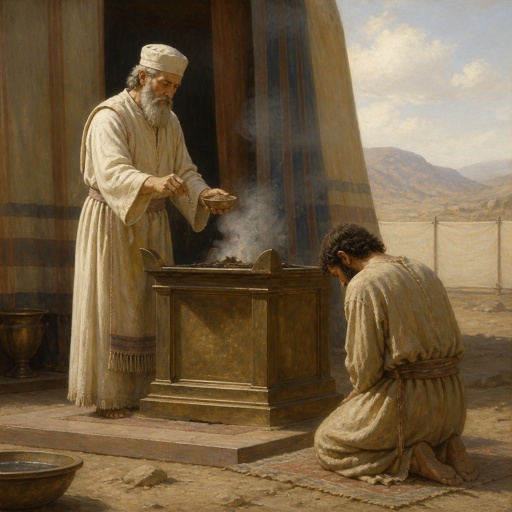
"And the priest shall make an atonement for him before the LORD: and it shall be forgiven him for any thing of all that he hath done in trespassing therein." - Leviticus 6:7

Leviticus 6:23 - "For every meat offering for the priest shall be wholly burnt: it shall not be eaten."

Leviticus 6:29 - "All the males among the priests shall eat thereof: it is most holy."

Leviticus 6:13 - "The fire shall ever be burning upon the altar; it shall never go out."

Leviticus 3:7 - "If he offer a lamb for his offering, then shall he offer it before the LORD."

Leviticus 7:3 - "And he shall offer of it all the fat thereof; the rump, and the fat that covereth the inwards,"

Leviticus 26:7 - "And ye shall chase your enemies, and they shall fall before you by the sword."

Leviticus 7:11 - "And this is the law of the sacrifice of peace offerings, which he shall offer unto the LORD."

Leviticus 25:7 - "And for thy cattle, and for the beast that are in thy land, shall all the increase thereof be meat."