The Significance of Sacrifice: Unleavened Bread and Divine Acceptance
"And out of the basket of unleavened bread, that was before the LORD, he took one unleavened cake, and a cake of oiled bread, and one wafer, and put them on the fat, and upon the right shoulder:" - Leviticus 8:26
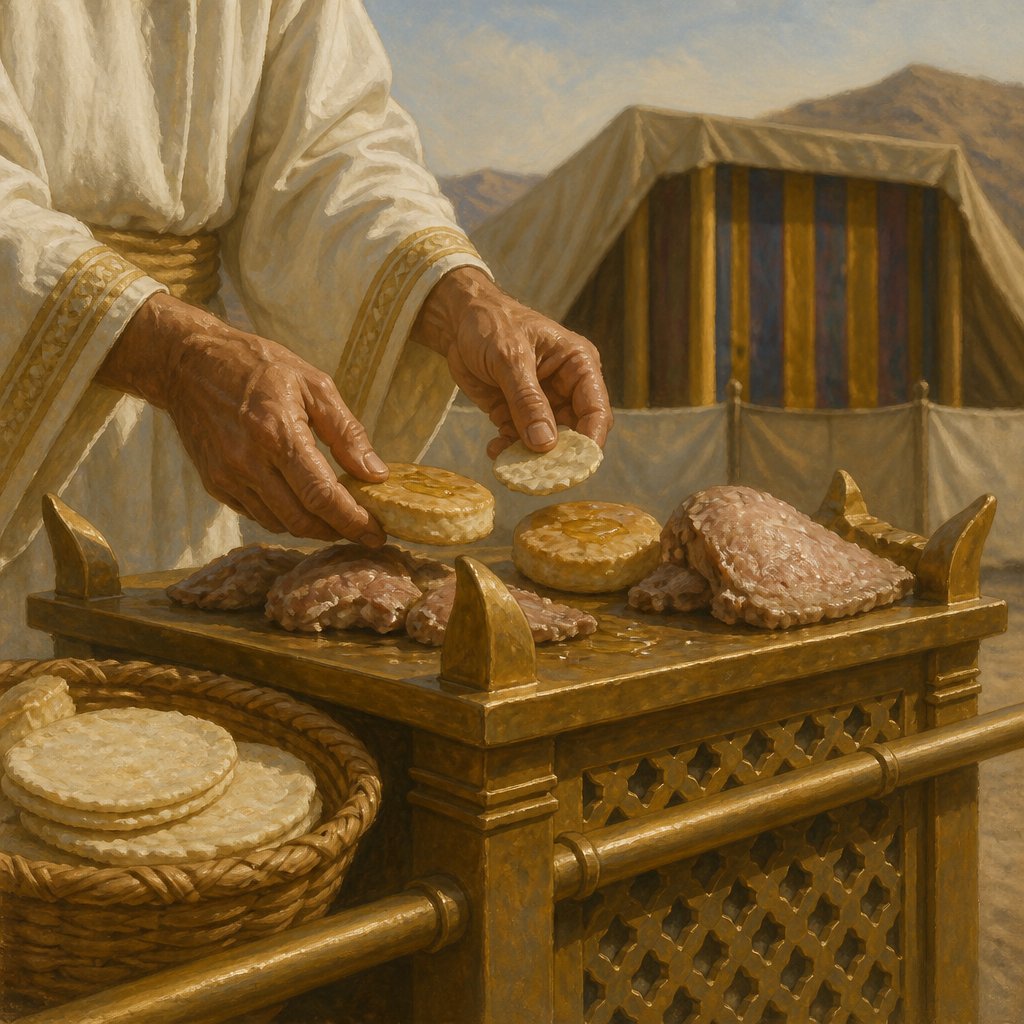
Leviticus 8:26 states, "And out of the basket of unleavened bread, that was before the LORD, he took one unleavened cake, and a cake of oiled bread, and one wafer, and put them on the fat, and upon the right shoulder."
In the book of Leviticus, we enter into the depths of God’s instructions to His people regarding purity, holiness, and the intricate workings of worship through sacrifices. Leviticus, being a part of the Pentateuch, lays out a clear picture of how a holy God desires a holy people. The specific verse we explore today is nestled within the accounts of Aaron’s consecration as the priest—signifying the initiation of a divinely ordained service meant to intercede for the people.
To understand the significance of this verse, we must first grasp the larger context of the Jewish sacrificial system. Leviticus chapters 8 through 10 focus on the rites of the priests and serve to remind the Israelites (and, indeed, all humankind) that relationship with God involves serious rituals and sacrifices. The unleavened cakes, oiled bread, and wafers point towards something deeply significant in their worship.
Unleavened bread represents purity and holiness. Throughout Scripture, leaven is often symbolic of sin, corruption, and pride. The absence of leaven signifies a state of being set apart, free from the influences that lead us away from God’s righteousness. When we approach God, we too are called to lay aside our sin and come to Him with sincerity and a clean heart. As the Apostle Paul instructs in 1 Corinthians 5:8, "Therefore let us keep the feast, not with old leaven, neither with the leaven of malice and wickedness; but with the unleavened bread of sincerity and truth."
The act of taking the unleavened cake from the basket that was before the LORD indicates that there is a process of selection in our offerings. God desires our best—the first fruits of our hearts, our lives, and our worship. The willingness of our sacrifice reflects our relationship with Him. God doesn’t just want a part of us; He desires all of us, wholly and completely.
Moreover, the presence of oiled bread in this verse points to the work of the Holy Spirit. Oil is often used symbolically to refer to the Spirit's empowerment, anointing, and presence. When we give our lives as a living sacrifice (Romans 12:1), we are invited to be filled with the Spirit, which enables us to become vessels of His grace, facilitating our obedience and service. God calls us to not only offer ourselves but to rely on Him for strength and understanding—to interact with His Spirit actively in our worship.
Additionally, the physical act of placing these cakes upon the fat of the animal and the right shoulder signifies acceptance and divine favor. In ancient sacrifices, the fat was regarded as the best part, reserved for God. By doing so, it highlights that God is pleased when we give Him our best, even our very lives in service. As Romans 12:1 instructs, our bodies are to be living sacrifices, holy and pleasing to God—this is our true and proper worship.
As we reflect on Leviticus 8:26, we are called to evaluate our own lives. Do we present to God what is best, or have we grown complacent, offering Him the leftovers of our hearts and our time? Are we approaching Him in sincerity and truth, shunning the leaven of sin that corrupts our relationship with Him?
In conclusion, the intricate details of the Levitical sacrifices illuminate vital truths about worship, purity, and divine acceptance. These elements invite us to examine our service and relationship with God. As we bring our hearts, our lives, and our offerings in accordance with His will, let us do so with the understanding that the presence of the Holy Spirit leads us into deeper communion and helps us fulfill His calling upon our lives. Let us strive to offer Him the unleavened bread of sincerity, adorned with the oil of His Spirit, as we seek to serve Him wholeheartedly.
Want to reflect more on Leviticus 8:26?
Continue your spiritual journey with Bible Chat — an AI-powered tool for exploring God's Word through conversation. Ask questions, discover connections, and deepen your understanding.
Get Our Apps


Leviticus 8:26 Artwork

Leviticus 8:26 - "And out of the basket of unleavened bread, that was before the LORD, he took one unleavened cake, and a cake of oiled bread, and one wafer, and put them on the fat, and upon the right shoulder:"
"And out of the basket of unleavened bread, that was before the LORD, he took one unleavened cake, and a cake of oiled bread, and one wafer, and put them on the fat, and upon the right shoulder:" - Leviticus 8:26
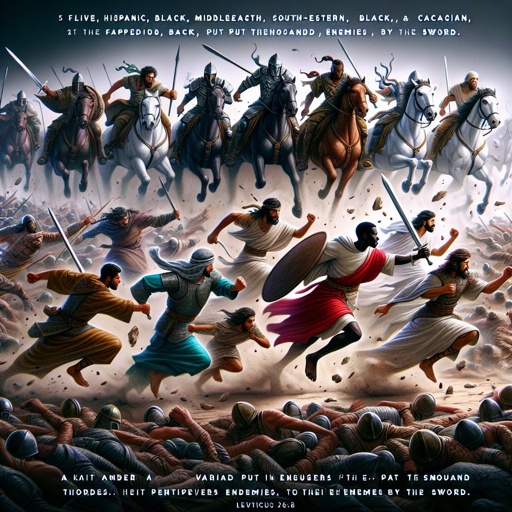
Leviticus 26:8 - "And five of you shall chase an hundred, and an hundred of you shall put ten thousand to flight: and your enemies shall fall before you by the sword."

Leviticus 26: 4-6

Leviticus 26: 4-6
Leviticus 26: 4-6

Leviticus 23:26 - "¶ And the LORD spake unto Moses, saying,"

Leviticus 22:26 - "¶ And the LORD spake unto Moses, saying,"

Leviticus 26:14 - "¶ But if ye will not hearken unto me, and will not do all these commandments;"

Leviticus 25:26 - "And if the man have none to redeem it, and himself be able to redeem it;"

Leviticus 20:22-26 simple picture

Picture to summarize Leviticus 20:22-26

Leviticus 26:23 - "And if ye will not be reformed by me by these things, but will walk contrary unto me;"

Leviticus 26:3 - "¶ If ye walk in my statutes, and keep my commandments, and do them;"

Leviticus 14:26 - "And the priest shall pour of the oil into the palm of his own left hand:"

Leviticus 16:8

Leviticus 26:27 - "And if ye will not for all this hearken unto me, but walk contrary unto me;"

Leviticus 8:30

Leviticus 26:7 - "And ye shall chase your enemies, and they shall fall before you by the sword."

Leviticus 26:12 - "And I will walk among you, and will be your God, and ye shall be my people."

Leviticus 26:10 - "And ye shall eat old store, and bring forth the old because of the new."

Leviticus 26:11 - "And I will set my tabernacle among you: and my soul shall not abhor you."

Leviticus 26:2 - "¶ Ye shall keep my sabbaths, and reverence my sanctuary: I am the LORD."
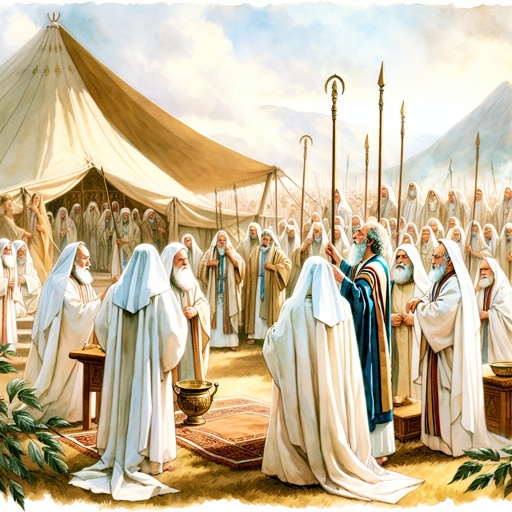
Leviticus 8:1-12

Leviticus 8:8 - "And he put the breastplate upon him: also he put in the breastplate the Urim and the Thummim."

Leviticus 26:32 - "And I will bring the land into desolation: and your enemies which dwell therein shall be astonished at it."

Leviticus 26:38 - "And ye shall perish among the heathen, and the land of your enemies shall eat you up."
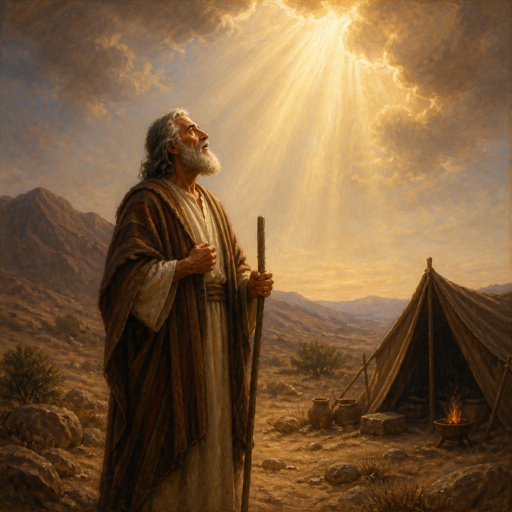
"¶ And the LORD spake unto Moses, saying," - Leviticus 23:26
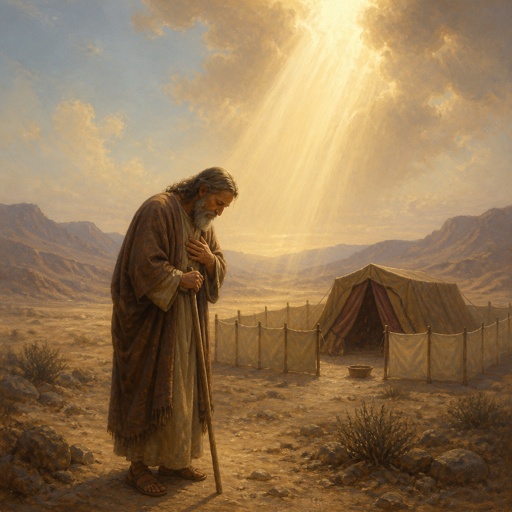
"¶ And the LORD spake unto Moses, saying," - Leviticus 22:26

Leviticus 7:26 - "Moreover ye shall eat no manner of blood, whether it be of fowl or of beast, in any of your dwellings."