Cleansed for Service: The Divine Preparation
“And Moses brought Aaron and his sons, and washed them with water.” — Leviticus 8:6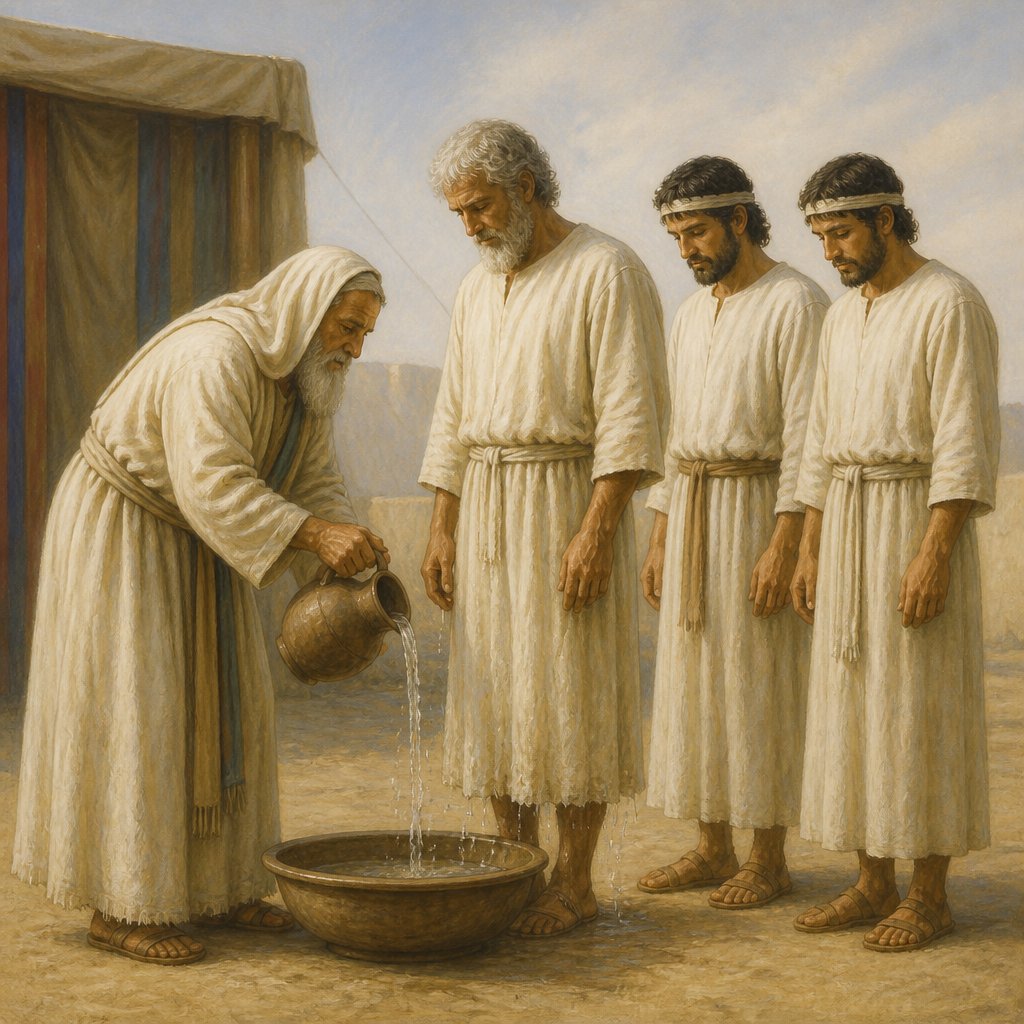
In Leviticus 8:6, we find a pivotal moment in the history of Israel’s priesthood: "And Moses brought Aaron and his sons, and washed them with water." This simple yet profound act of washing signifies much more than mere cleanliness; it embodies a deeper spiritual truth essential for anyone called into service for God.
When we consider the context, Moses is preparing Aaron and his sons for their sacred duties as priests, a role that intertwines their lives with the worship of Yahweh and the spiritual leadership of the community. The act of washing them symbolizes purification—a necessary step before approaching God’s presence. It beckons us to reflect on the theme of preparation within our own lives, particularly as we seek to serve God and fulfill His calling upon us.
Firstly, let's note that cleansing with water represents a recognition of our own need for purification. Just as the priests were set apart from the mundane and prepared for the holy, we too must understand that before we can serve effectively, we need to embrace the cleansing that comes from God. James 4:8 urges us, "Draw nigh to God, and he will draw nigh to you. Cleanse your hands, ye sinners; and purify your hearts, ye double minded." That summons resonates with the baptism that cleanses sin and initiates a deeper relationship with Christ, just as the washing in Leviticus initiated the priests’ relationship with God.
The washing signifies a profound truth about identity. When Moses brought Aaron and his sons to be washed, he was proclaiming their identity as priests. Their physical cleansing was a demonstration of their spiritual reality: they were set apart for service in the presence of God. In Christ Jesus, we are reminded of our identity as a royal priesthood (1 Peter 2:9). Each of us, through faith, receives divine cleansing, which not only wipes our sins away but also instates us into a position of service and dignity as God’s representatives on earth. This begs the question: Have we embraced our identity in Christ, understanding that we were cleansed not only to be forgiven but also to serve?
Moreover, the act performed by Moses reveals the beautiful sacrificial love of God. This ritual washing foreshadows the greater washing through the sacrifice of Jesus Christ. "If we confess our sins, he is faithful and just to forgive us our sins, and to cleanse us from all unrighteousness" (1 John 1:9). The cleansing of Aaron and his sons prefigured the cleansing we receive in Christ, who not only washed our sins away but also made us new creations.
The washing represents the commitment that comes with being cleansed. Aaron and his sons were entering into a covenant commitment with God. They were saying ‘yes’ to a life of servitude, sacrifice, and leadership in a covenant community. Likewise, our cleansing should lead us to a similar commitment. God does not call us to live passive or lukewarm lives after we’ve been cleansed. Instead, He invites us into active engagement in His mission. As Paul advises in Romans 12:1, we are to present our bodies as living sacrifices—holy and acceptable unto God—which is our reasonable service.
Lastly, we must acknowledge the communal aspect of this act of preparation. Aaron and his sons, as a priestly family, illustrate that our journey of cleansing is often collective in nature within the body of Christ. We encourage one another and uphold one another in prayers, teachings, and acts of service. As we reflect on being washed with water, let us also be reminded of our responsibility to support fellow believers in their pursuit of holiness and service. Together, we are all being prepared for the work God has ordained for us.
In conclusion, Leviticus 8:6 challenges us to embrace our identity as cleansed servants of Christ. The washing of Aaron and his sons is a powerful reminder that God desires us to be pure in spirit and prepared for the divine service. Embrace this cleansing today, affirm your commitment, and step boldly into the role God has for you, knowing that you are washed, renewed, and called for His purposes.
Get our apps


Artwork for Leviticus 8:6

Leviticus 8:6 - "And Moses brought Aaron and his sons, and washed them with water."
"And Moses brought Aaron and his sons, and washed them with water." - Leviticus 8:6

Leviticus 6:8 - "¶ And the LORD spake unto Moses, saying,"
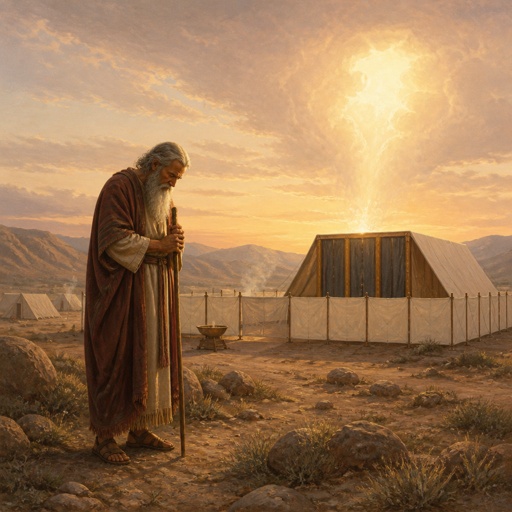
"¶ And the LORD spake unto Moses, saying," - Leviticus 6:8

Leviticus 16:8

Leviticus 8:30
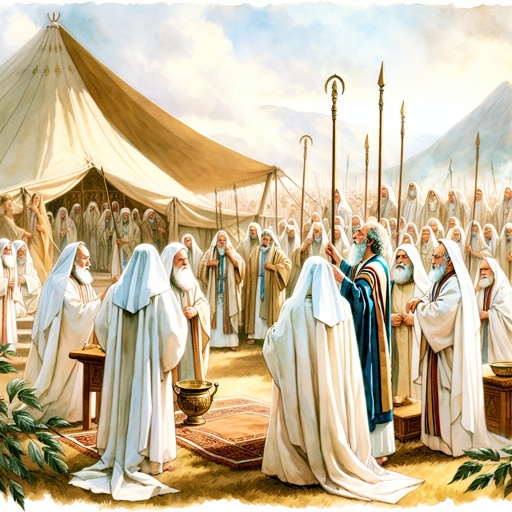
Leviticus 8:1-12

Leviticus 8:8 - "And he put the breastplate upon him: also he put in the breastplate the Urim and the Thummim."

Leviticus 26: 4-6

Leviticus 26: 4-6

Leviticus 26: 4-6
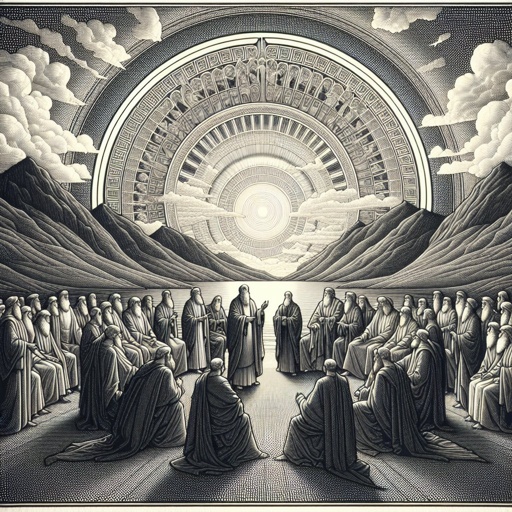
Leviticus 10:8 - "¶ And the LORD spake unto Aaron, saying,"

Leviticus 6:24 - "¶ And the LORD spake unto Moses, saying,"

Leviticus 8:1 - "And the LORD spake unto Moses, saying,"

Leviticus 6:19 - "¶ And the LORD spake unto Moses, saying,"

Leviticus 6:1 - "And the LORD spake unto Moses, saying,"

Leviticus 8:32 - "And that which remaineth of the flesh and of the bread shall ye burn with fire."

Leviticus 1:6 - "And he shall flay the burnt offering, and cut it into his pieces."

Leviticus 8:19 - "And he killed it; and Moses sprinkled the blood upon the altar round about."

Leviticus 8:3 - "And gather thou all the congregation together unto the door of the tabernacle of the congregation."

Leviticus 8:5 - "And Moses said unto the congregation, This is the thing which the LORD commanded to be done."

Leviticus 2:6 - "Thou shalt part it in pieces, and pour oil thereon: it is a meat offering."

Leviticus 8:20 - "And he cut the ram into pieces; and Moses burnt the head, and the pieces, and the fat."

Leviticus 18:8 - "The nakedness of thy father's wife shalt thou not uncover: it is thy father's nakedness."

6:6 8

Leviticus 6:23 - "For every meat offering for the priest shall be wholly burnt: it shall not be eaten."

Leviticus 6:29 - "All the males among the priests shall eat thereof: it is most holy."

Leviticus 6:13 - "The fire shall ever be burning upon the altar; it shall never go out."
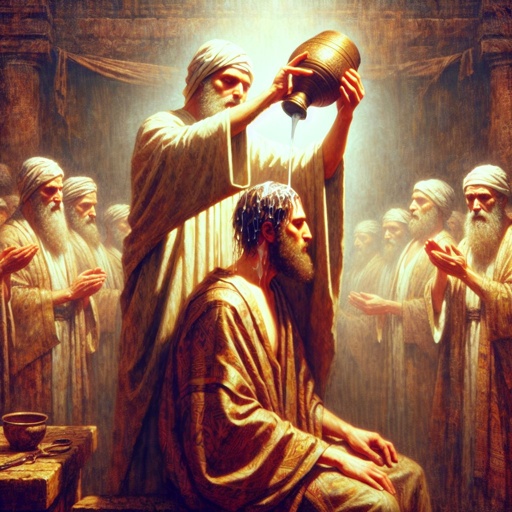
Leviticus 8:12 - "And he poured of the anointing oil upon Aaron's head, and anointed him, to sanctify him."

Leviticus 9:8 - "¶ Aaron therefore went unto the altar, and slew the calf of the sin offering, which was for himself."