Love in Action: A Devotion to Living the Greatest Commandments
“He said unto him, What is written in the law? how readest thou? And he answering said, Thou shalt love the Lord thy God with all thy heart, and with all thy soul, and with all thy strength, and with all thy mind; and thy neighbour as thyself. And he said unto him, Thou hast answered right: this do, and thou shalt live.” — Luke 10:26-28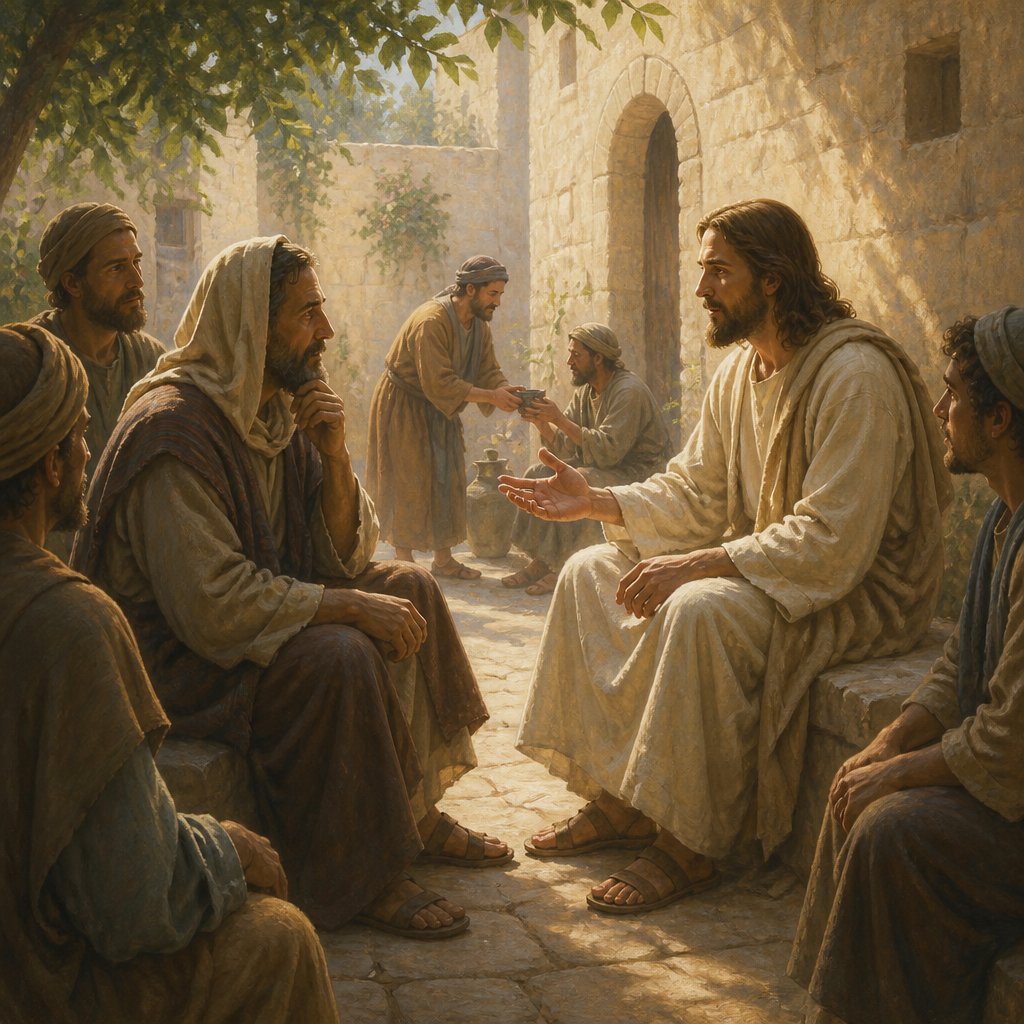
In the unfolding narrative of Luke 10:26-28, we encounter a profound dialogue between Jesus and a lawyer who sought to test Him. The conversation begins with the question, "What is written in the law? how readest thou?" Here, we see not merely an inquiry of knowledge but a deeper invitation to understand the heart of God’s commandments. In response, the lawyer articulates the essence of the law, quoting from Deuteronomy and Leviticus, summarizing the entirety of God’s will into two commandments that define our relationship with Him and with others.
Jesus' reply, "Thou hast answered right: this do, and thou shalt live," is not just an affirmation; it is a clarion call to action—a summons to embody love in its truest form. These two commandments, to love God and to love our neighbor, stand at the very core of Christian ethics. They are not mere suggestions or optional lifestyle choices; they are the heartbeat of the believer’s life and witness.
To love "the Lord thy God with all thy heart, and with all thy soul, and with all thy strength, and with all thy mind" illustrates a holistic form of devotion. God desires all of us—every capacity, every emotion, every thought, and every action—dedicated to Him. What does it mean to love God with all our heart? It is to let our emotions and affections be aligned with His will and purposes. To love Him with all our soul involves the essence of our being, allowing every facet of our identity to reflect His glory. Loving Him with all our strength connects our physical lives to our spiritual commitments, meaning that our actions should demonstrate our devotion. Finally, loving Him with all our mind highlights the importance of our thoughts and intellect in our worship, emphasizing that studying His Word and understanding His character are foundational to a relationship with Him.
The second commandment, to "love thy neighbour as thyself," extends this love from our vertical relationship with God to our horizontal relationships with others. This mandates a radical reorientation of our priorities—just as we nurture our own needs and wellbeing, so too must we extend that same care to those around us. It compels us to see others not as mere acquaintances or strangers but as fellow bearers of God’s image worthy of love and respect. Loving our neighbor means action; it is about how we treat and serve others, especially those who are marginalized or in need.
However, loving others is often easier said than done; we encounter difficulties in relationships, cultural barriers, and personal biases that can hinder our expression of love. In a world filled with division and strife, Jesus challenges us to transcend such barriers with love—one that comes from the depths of our hearts, fueled by our love for God. We must recognize that loving as Christ has called us, with an all-encompassing devotion, is sometimes a costly choice.
As we navigate the complexities of our lives and the relationships we cultivate daily, let us remember that Jesus did not present these commandments as unattainable ideals but as achievable actions necessary for spiritual life. "This do, and thou shalt live," reminds us that true life—the fullness of joy, purpose, and peace—flows from our diligent practice of these commandments.
In conclusion, dear reader, reflect on these questions: How am I currently loving God with all that I am? What practical steps can I take to love my neighbor more intentionally? Life, abundant life, is found in the active response to Jesus’ teachings—let us commit anew to living out these greatest commandments, for in doing so, we align our hearts with the very heart of God.
Get our apps


Artwork for Luke 10:26-28

Luke 10:26-28 - "“He said to him, 'What is written in the law? What is your reading of it?' So he answered and said, 'You shall love the Lord your God with all your heart, with all your soul, with all your strength, and with all your mind,’ and ‘your neighbor as yourself.' And He said to him, 'You have answered rightly; do this and you will live.'""

"“He said to him, 'What is written in the law? What is your reading of it?' So he answered and said, 'You shall love the Lord your God with all your heart, with all your soul, with all your strength, and with all your mind,’ and ‘your neighbor as yourself.' And He said to him, 'You have answered rightly; do this and you will live.'"" - Luke 10:26-28

Luke 10:26 - "He said unto him, What is written in the law? how readest thou?"

Luke 10:28 - "And he said unto him, Thou hast answered right: this do, and thou shalt live."

"He said unto him, What is written in the law? how readest thou?" - Luke 10:26
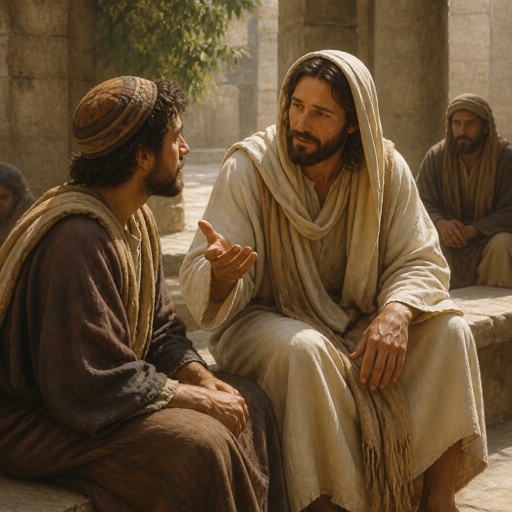
"And he said unto him, Thou hast answered right: this do, and thou shalt live." - Luke 10:28

Luke 20:28

Luke 19:28

romans 8:26-28

luke 1:26

luke 1:26

Luke 1:26

luke 13:28-37

Luke 13:28-27

Luke 13:28-27

Luke 13:28-27

Luke 9:28-45

luke 13:28-37

Luke 12:25-26

Luke 12:25-26

Luke 16:22-26

Luke 12:25-26

Luke 6:21-26

Luke 12:25-26
Luke 12:25-26

Luke 12:25-26

Luke 6:21-26

Luke 5:17-26

Luke 12:25-26

Numbers 26:28 - "¶ The sons of Joseph after their families were Manasseh and Ephraim."