Trusting in God's Provision: Lessons from Creation
"Consider the ravens: for they neither sow nor reap; which neither have storehouse nor barn; and God feedeth them: how much more are ye better than the fowls? And which of you with taking thought can add to his stature one cubit? If ye then be not able to do that thing which is least, why take ye thought for the rest? Consider the lilies how they grow: they toil not, they spin not; and yet I say unto you, that Solomon in all his glory was not arrayed like one of these." - Luke 12:24-27
In our fast-paced, modern lives, it is easy to become overwhelmed by the pressures of daily existence. We are bombarded with uncertainties about finances, health, relationships, and our future. The desire to control every aspect cloud our faith in a loving and sovereign God. It is amidst these challenges that we find profound encouragement in the teachings of our Lord, particularly in Luke 12:24-27. The King James Version (KJV) states:
"Consider the ravens: for they neither sow nor reap; which neither have storehouse nor barn; and God feedeth them: how much more are ye better than the fowls? And which of you with taking thought can add to his stature one cubit? If ye then be not able to do that thing which is least, why take ye thought for the rest? Consider the lilies how they grow: they toil not, they spin not; and yet I say unto you, that Solomon in all his glory was not arrayed like one of these."
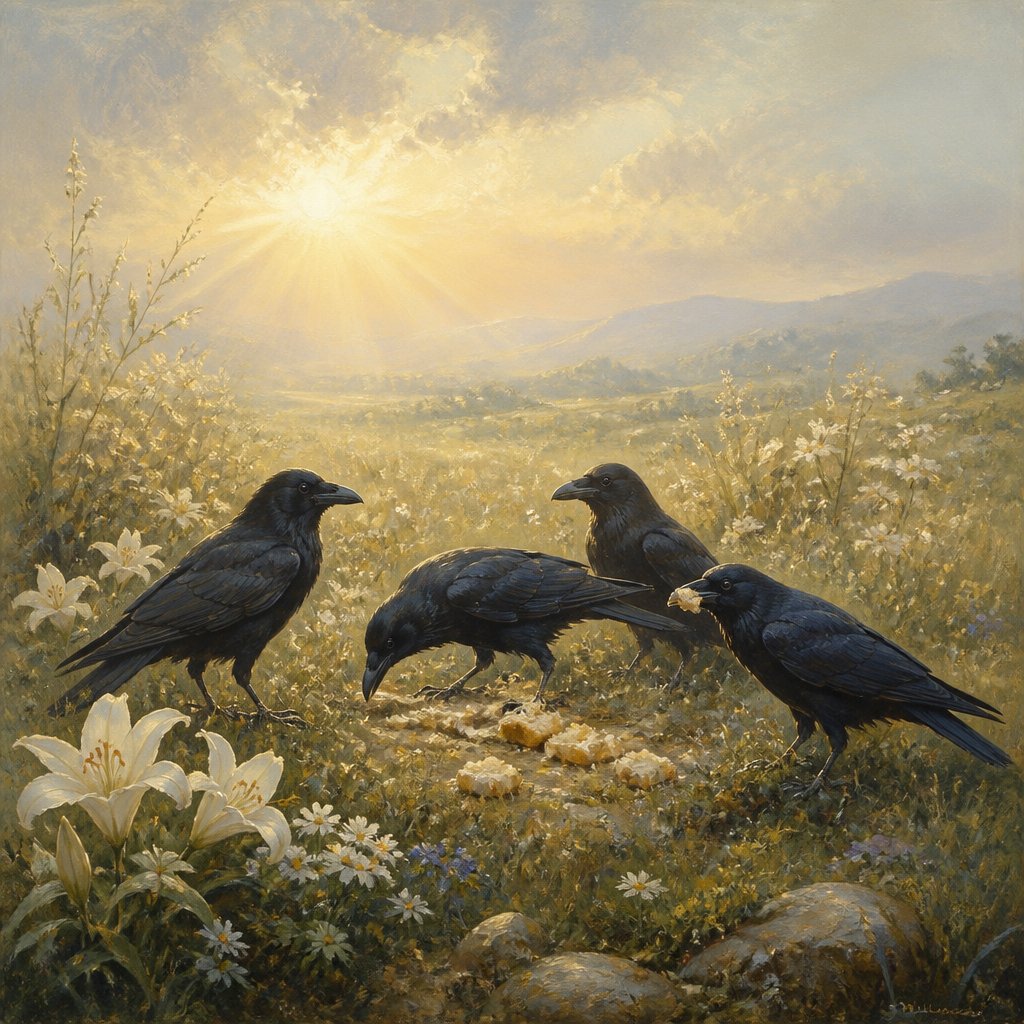
As we delve into this passage, we are called to reflect upon God's provision and our tendency to worry. The imagery of ravens is striking. These birds do not engage in farming; they do not sow seeds or harvest crops. Instead, they rely entirely on God for sustenance. Despite their lack of means and the absence of a storehouse or barn, God feeds them. The lesson is clear: if God provides for creatures of lesser value, how much more will He provide for us—those made in His image? We must remember that we are of infinite worth to our Creator.
Worry often tempts us to believe that we can control outcomes through mental gymnastics. Yet, Jesus challenges us by asking, "Which of you with taking thought can add to his stature one cubit?" (Luke 12:25). Our anxieties are futile; they do not change our circumstances or enhance our lives. Instead, Jesus shines light on the futility of worry, reminding us that we cannot add even an inch to our height through distressing thoughts. Worry serves no purpose, yet trust in God opens the door to His promises and provision.
The comparison continues with the lilies. Jesus tells us to "consider the lilies how they grow" (Luke 12:27). Here, He highlights the effortless beauty of these flowers, which do not toil or spin. The beauty of the lilies surpasses even that of King Solomon in all his royal splendor. This imagery illustrates God’s artistry and care in creation. The lilies grow because of the sustenance provided by the Creator, who has designed them to flourish without laboring in the way humanity does.
Furthermore, this passage invites us to rest in the knowledge that God is aware of our needs. He sees our struggles and hears our cries, providing for us in ways we cannot anticipate. Just as He feeds the ravens and adorns the lilies, He watches over us, ensuring that our needs are met in accordance with His perfect timing.
As followers of Christ, our faith must lead us to a greater reliance on God’s promises. Let us consciously choose to revoke worry and replace it instead with trust. Each time we find ourselves tempted to dwell on concerns, let us redirect our thoughts to the truths found in Scripture. Look up, and let the beauty of the ravens and the lilies remind us of God’s unfailing provision.
This week, spend time reflecting on the areas of your life where worry has taken root. Pray earnestly, asking God to help you cultivate a heart of trust, free from anxiety. Embrace the peace that comes from knowing the God who cares for the smallest detail of creation—the God who knows every sparrow, counts every hair on your head, and loves you unconditionally. As we surrender our fears to Him, may we bloom as radiantly as the lilies, assured of His faithfulness and overflowing with His love.
Want to reflect more on Luke 12:24-27?
Continue your spiritual journey with Bible Chat — an AI-powered tool for exploring God's Word through conversation. Ask questions, discover connections, and deepen your understanding.
Get Our Apps


Luke 12:24-27 Artwork

Luke 12:24-27 - "Consider the ravens: They do not sow or reap, they have no storeroom or barn; yet God feeds them. And how much more valuable you are than birds! Who of you by worrying can add a single hour to your life? Since you cannot do this very little thing, why do you worry about the rest? Consider how the wild flowers grow. They do not labor or spin. Yet I tell you, not even Solomon in all his splendor was dressed like one of these."
"Consider the ravens: They do not sow or reap, they have no storeroom or barn; yet God feeds them. And how much more valuable you are than birds! Who of you by worrying can add a single hour to your life? Since you cannot do this very little thing, why do you worry about the rest? Consider how the wild flowers grow. They do not labor or spin. Yet I tell you, not even Solomon in all his splendor was dressed like one of these." - Luke 12:24-27

Luke 24:27 - "And beginning at Moses and all the prophets, he expounded unto them in all the scriptures the things concerning himself."

James 1:2-4

James 1: 2-4

Joel 1:2-4, 13-20

Luke 12:27 - "Consider the lilies how they grow: they toil not, they spin not; and yet I say unto you, that Solomon in all his glory was not arrayed like one of these."

Luke 24:12 - "Then arose Peter, and ran unto the sepulchre; and stooping down, he beheld the linen clothes laid by themselves, and departed, wondering in himself at that which was come to pass."

Luke 12:24 - "Consider the ravens: for they neither sow nor reap; which neither have storehouse nor barn; and God feedeth them: how much more are ye better than the fowls?"
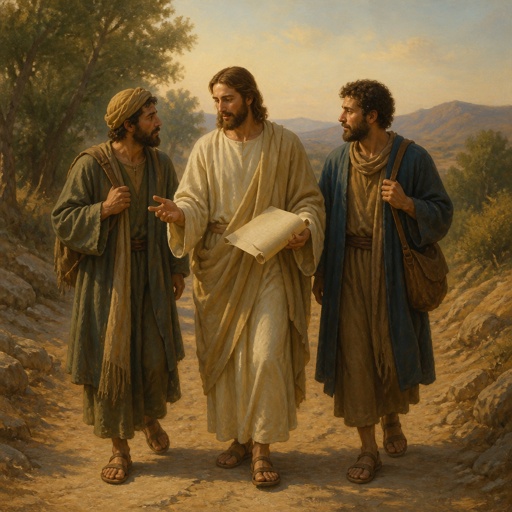
"And beginning at Moses and all the prophets, he expounded unto them in all the scriptures the things concerning himself." - Luke 24:27

Galatians 4:24-27

Matthew 24:27

Genesis 24-27

luke 1:27

luke 6: 27

Luke 10:27

Luke 24:12 But Peter arose and ran to the tomb; and stooping down, he saw the linen cloths lying by themselves; and he departed, marveling to himself at what had happened.

Luke 24:12 But Peter arose and ran to the tomb; and stooping down, he saw the linen cloths lying by themselves; and he departed, marveling to himself at what had happened.

Luke 24:12 But Peter arose and ran to the tomb; and stooping down, he saw the linen cloths lying by themselves; and he departed, marveling to himself at what had happened.

Matthew 7:24-27

Luke 6: 27-38

Luke 24:1

Luke 24:35

Luke 24:42

Luke 21:24

Luke 13:24

luke 24:17

Luke 6:27-38

Luke 13:28-27

Luke 13:28-27