The Joy of Anticipation: A Call to Vigilance and Service
"Blessed are those servants, whom the lord when he cometh shall find watching: verily I say unto you, that he shall gird himself, and make them to sit down to meat, and will come forth and serve them." - Luke 12:37
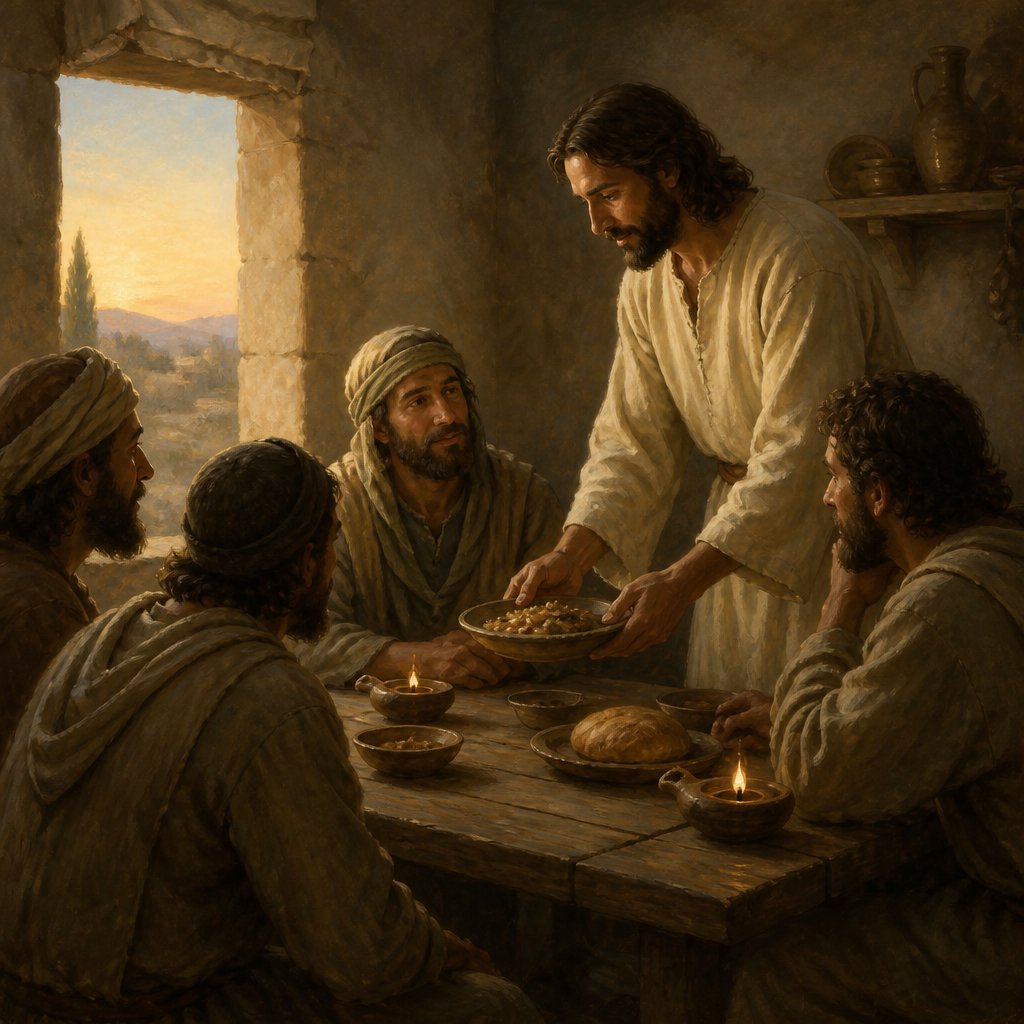
In the Gospel according to Luke, chapter 12, verse 37 presents a profound declaration made by Jesus: "Blessed are those servants, whom the lord when he cometh shall find watching: verily I say unto you, that he shall gird himself, and make them to sit down to meat, and will come forth and serve them." This single verse encapsulates lessons about vigilance, readiness, and the profound joy that comes from being in a state of watchfulness.
To fully appreciate the message here, we must first consider the cultural and historical context of servitude in biblical times. Servants were expected to perform their duties without delay, constantly alert for their master's needs. Jesus uses this analogy to illustrate a deeper spiritual truth for His followers. When He speaks of servants being "found watching," He highlights the importance of being spiritually awake and aware in anticipation of His return. This alertness is not merely a passive waiting, but a proactive engagement in our faith and responsibilities as disciples.
The word "blessed" sets an encouraging tone for this verse. It signifies a state of happiness, fulfillment, and divine favor. To be blessed by the Lord is to be in a condition where we experience His grace and presence in our lives. This blessing comes not simply by chance but as a reward for those who actively choose to be vigilant in their faith. The servants that the Lord finds watching are those who have dedicated themselves to their calling, maintaining their commitment despite the passage of time and the uncertainties that accompany life on earth.
This verse also presents a beautiful imagery of the Lord Himself coming to serve those who are found watching. In the Kingdom of God, the roles we expect are often reversed. Jesus, who came not to be served but to serve (Mark 10:45), demonstrates the heart of divine love and humility. When He returns, He will not only reward the faithful servant but will also gird Himself, presenting Himself as a servant to those who have faithfully awaited Him. This challenges our perceptions of power and authority and encourages us to embody servant leadership in our lives.
Being found watching translates to being engaged in the work of the Kingdom. It's a call to duty that encompasses prayer, service to others, and the proclamation of the Gospel. In our day-to-day lives, how often do we find ourselves distracted or consumed by the trivial things of life? In an age where instant gratification is the norm, being vigilant means resisting the urge to become complacent or indifferent. It requires us to remain focused on the mission God has laid before us, guiding our hearts to continually seek out the needs of others and fostering relationships rooted in love and compassion.
The promise that follows in this verse is significant: the Lord will "make them to sit down to meat." This does not merely speak of physical sustenance but symbolizes a place of honor and communion at the Master’s table. It beckons us to a greater reality— one where our faithfulness leads to eternal rewards. The feast signifies joy, celebration, and the fellowship we will share with Christ in His kingdom. In this ultimate banquet, all our efforts in service and vigilance are recognized and celebrated.
As we meditate on this verse, let us ask ourselves, "Are we watching?" Are we truly alert to the work of God in our lives, or have we allowed distractions and worldly affairs to pull us away from our primary purpose as servants of Christ? In preparing for His return, let us commit ourselves to living as those blessed servants, eager for the day we will gather for a feast in His presence, where He Himself, in a beautiful display of love, will serve us.
Want to reflect more on Luke 12:37?
Continue your spiritual journey with Bible Chat — an AI-powered tool for exploring God's Word through conversation. Ask questions, discover connections, and deepen your understanding.
Get Our Apps


Luke 12:37 Artwork

Luke 12:37 - "Blessed are those servants, whom the lord when he cometh shall find watching: verily I say unto you, that he shall gird himself, and make them to sit down to meat, and will come forth and serve them."
"Blessed are those servants, whom the lord when he cometh shall find watching: verily I say unto you, that he shall gird himself, and make them to sit down to meat, and will come forth and serve them." - Luke 12:37

Luke 2:37

Luke 2:37

Luke 2:37

Luke 2:37

Luke 2:37

Luke (1:37) For nothing will be impossible with God.”

Luke (1:37) For nothing will be impossible with God.”

Luke (1:37) For nothing will be impossible with God.”

Luke (1:37) For nothing will be impossible with God.”

Luke (1:37) For nothing will be impossible with God.”

Luke (1:37) For nothing will be impossible with God.”

Luke (1:37) For nothing will be impossible with God.”

Luke (1:37) For nothing will be impossible with God.”

Luke (1:37) For nothing will be impossible with God.”

Luke (1:37) For nothing will be impossible with God.”

Luke (1:37) For nothing will be impossible with God.”

Luke (1:37) For nothing will be impossible with God.”

Luke (1:37) For nothing will be impossible with God.”

Luke (1:37) For nothing will be impossible with God.”

Luke (1:37) For nothing will be impossible with God.”

Luke (1:37) For nothing will be impossible with God.”

Luke (1:37) For nothing will be impossible with God.”

Luke (1:37) For nothing will be impossible with God.”

Luke (1:37) For nothing will be impossible with God.”

Luke (1:37) For nothing will be impossible with God.”

Luke (1:37) For nothing will be impossible with God.”

Luke (1:37) For nothing will be impossible with God.”

Luke (1:37) For nothing will be impossible with God.”