The Heart of Inquiry: Understanding our Place in His Plans
“Then Peter said unto him, Lord, speakest thou this parable unto us, or even to all?” — Luke 12:41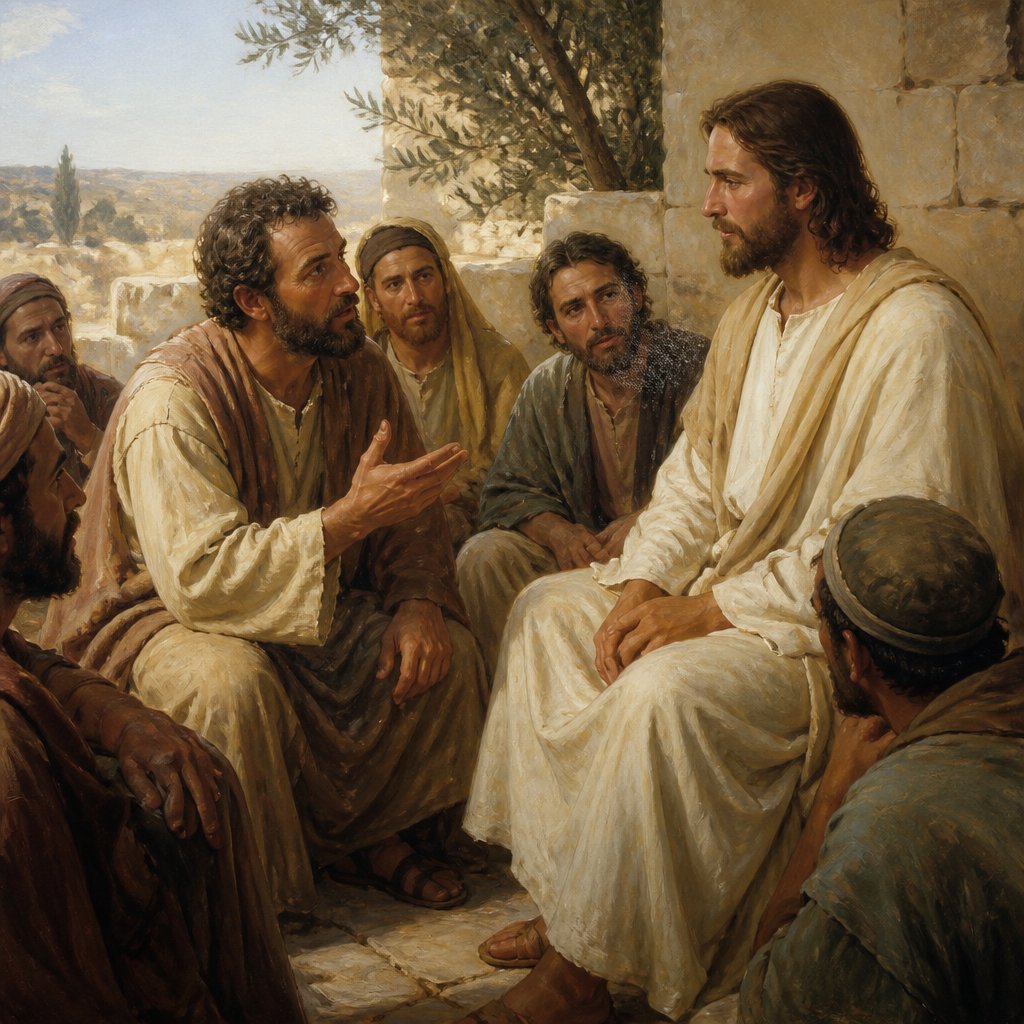
Luke 12:41 records a poignant moment between Jesus and His disciples, where Peter, one of the most vocal and beloved apostles, seeks clarity: "Then Peter said unto him, Lord, speakest thou this parable unto us, or even to all?" This question encapsulates a profound truth about our relationship with God and the nature of His teachings. It demonstrates the importance of understanding the context of His words and the responsibilities we hold in our faith walk.
In this passage, Peter's question mirrors a universal yearning for understanding. In our spiritual journey, we often find ourselves asking similar questions: "Is this instruction meant for me? How does this apply to my life? What is God’s specific message for my situation?" These inquiries stem from an intrinsic desire to engage deeply with Scripture and to comprehend the divine teachings that shape our lives.
Jesus has just shared a parable about vigilant servants and the consequences of being either watchful or complacent. Peter’s inquiry reflects a larger concern that resonates with many of us—personal application. Jesus’ teachings are meant both for the collective and the individual. When Jesus spoke, He addressed all, yet also spoke directly to each heart individually. This duality invites us into a deeper relationship with Christ.
In the New Testament, the teachings of Jesus are often seen as parables, stories rich with lessons relevant to various dimensions of life. When Jesus imparts wisdom through parables, He does not simply offer rules or guidelines; He presents insights that require reflection and personal interpretation. Peter’s question suggests an awareness of this dynamic—a desire to discern the personal relevance of Jesus’ stories.
In our daily lives, we also encounter moments where we must evaluate what God is communicating to us through His Word. Like Peter, we must approach Scripture with both humility and curiosity. This engagement is necessary for spiritual growth and maturity.
Moreover, Peter’s question highlights an essential aspect of discipleship: the need for community and dialogue within our faith journey. By asking whether the parable was meant for him or for everyone, Peter underscores the importance of understanding our role in the community of believers. As the body of Christ, we’re tasked with not only personal accountability but also mutual discipleship—learning from one another as we collectively seek to understand the will of God.
As we delve deeper into the implications of Peter’s inquiry, we are reminded of the elemental call to vigilance in our spiritual walk. Jesus’ parables not only serve as warnings but also as encouragements to be prepared and active in our faith. They challenge us to examine our hearts and actions constantly, ensuring that we are aligned with God’s expectations and designs for our lives.
Ultimately, the response of Jesus to Peter is a pivotal teaching moment; it is an invitation to explore our roles in God’s kingdom. It urges us to seek understanding, to desire clarity, and to embrace our responsibilities as stewards of His teachings. God continuously invites us into conversation with Him—through prayer, reflection, and community discussion—where our inquiries can transform into revelations.
As we reflect on Luke 12:41, may we embody Peter's spirit of inquiry. Let us ask, reflect, and seek God's voice in every parable, every teaching, and every life experience. With each question asked and each verse studied, let us prepare our hearts and minds to respond actively to His call, living out the truths He reveals in our lives. Amen.
Get our apps


Artwork for Luke 12:41

Luke 12:41 - "¶ Then Peter said unto him, Lord, speakest thou this parable unto us, or even to all?"
"¶ Then Peter said unto him, Lord, speakest thou this parable unto us, or even to all?" - Luke 12:41

Ephesians 4:1-2

Ephesians 4:1-2

Ephesians 4:1-2

Ephesians 4:1-2

Ephesians 4:1-2

Ephesians 4:1-2

Ephesians 4:1-2

Ephesians 4:1-2

Ephesians 4:1-2

Ephesians 4:1-2

Ephesians 4:1-2

Ephesians 4:1-2

LUKE 24:41-43

1 Corinthians 4:1-2

Luke 2:41-52

Luke 7:41-47

Mark 12:41 - 44

Mark 12:41 - 44

Mark 12:41 - 44

Mark 12:41 - 44

Mark 12:41 - 44

Luke 19:41 - "¶ And when he was come near, he beheld the city, and wept over it,"

Luke 20:41 - "And he said unto them, How say they that Christ is David's son?"

Luke 22:41 - "And he was withdrawn from them about a stone's cast, and kneeled down, and prayed,"

Luke 2:41 - "Now his parents went to Jerusalem every year at the feast of the passover."

Luke 6:41 - "And why beholdest thou the mote that is in thy brother's eye, but perceivest not the beam that is in thine own eye?"

Luke 11:41 - "But rather give alms of such things as ye have; and, behold, all things are clean unto you."

Luke 23:41 - "And we indeed justly; for we receive the due reward of our deeds: but this man hath done nothing amiss."