Understanding Suffering: A Kingdom Perspective
"There were present at that season some that told him of the Galilaeans, whose blood Pilate had mingled with their sacrifices." - Luke 13:1
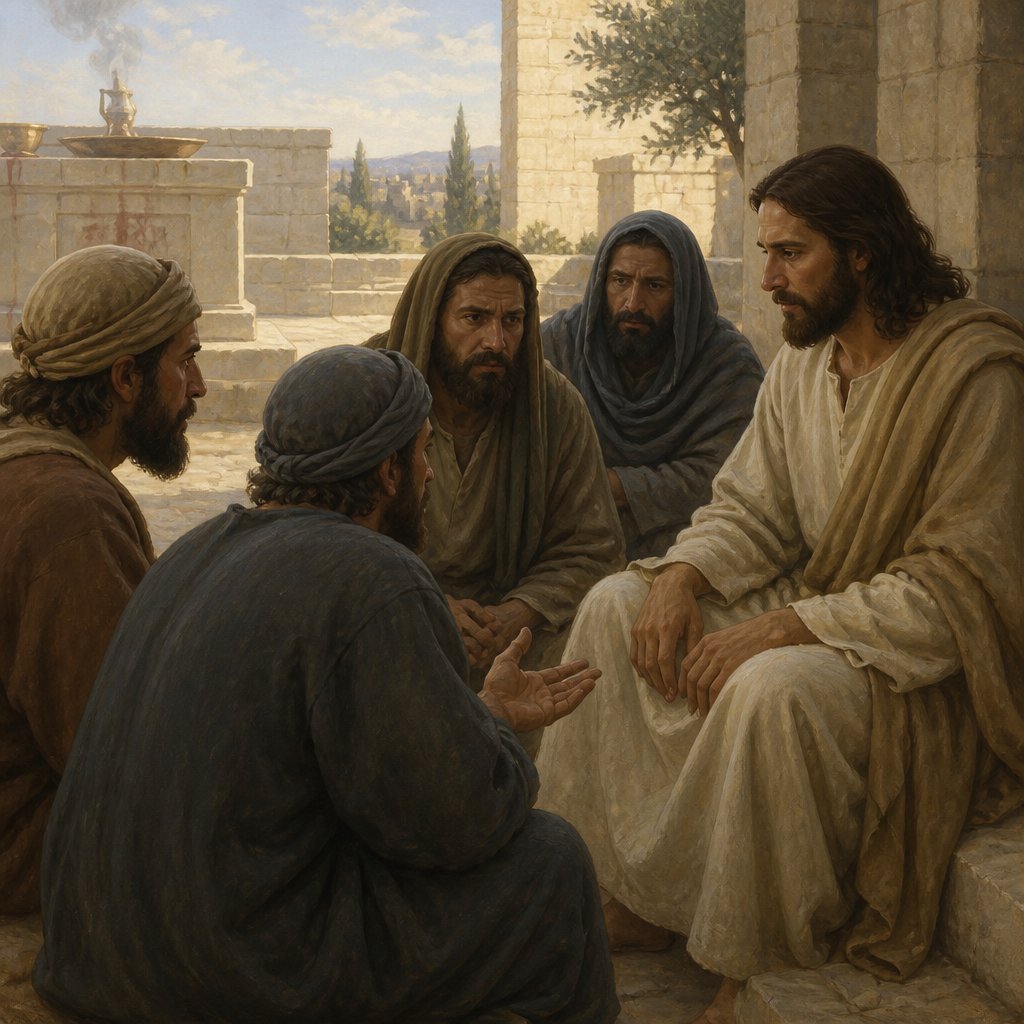
In the Gospel of Luke, chapter 13, verse 1, we encounter a sobering occasion where the realities of suffering and injustice are brought to the forefront. The verse reads: "There were present at that season some that told him of the Galilaeans, whose blood Pilate had mingled with their sacrifices." This verse is poignant and compelling, drawing our attention to the harsh realities of life and the profound questions surrounding tragedy and suffering.
The context of this passage is critical for our understanding. The Galilaeans mentioned in the verse were victims of political violence perpetrated by Pilate, a Roman governor known for his ruthlessness. This incident is not merely historical; it reflects a broader human experience: the intersection of faith, suffering, and injustice in a world marred by sin. The merging of the Galilaeans' blood with their sacrifices underscores a grotesque reality—an act of violence that defiled their worship and struck at the heart of their faith tradition.
As we reflect upon this verse, we are invited to contemplate the nature of suffering. Many believers grapple with the question: "Why do bad things happen to good people?" In our quest for answers, we must consider the perspective of Jesus, who addresses not merely the incident at hand, but the attitudes and understandings of His audience. When those gathered shared the news of the Galilaeans, they likely did so with a sense of indignation and perhaps even an expectation that Jesus would join them in their outrage.
However, Jesus responds to this tragedy—not with condemnation of Pilate or with a detailed explanation of political injustice, but with a call to introspection: "And Jesus answering said unto them, Suppose ye that these Galilaeans were sinners above all the Galilaeans, because they suffered such things?" (Luke 13:2). Here, Jesus challenges a common belief of the time that suffering was a direct punishment for sin. Rather than offering a traditional response that might analyze guilt and divine judgment, He redirects the focus from the sin of others to a more personal application—encouraging His listeners to examine their own lives.
Such an approach speaks deeply to our hearts today. In a world where tragedy can be found everywhere—from natural disasters to societal violence—our inclination might be to speculate on the sins of the suffering. But Jesus points us to our own need for repentance. He implores us to recognize that all humanity shares in a fallen nature, and rather than casting blame, we should seek our own spiritual health. The repeated refrain in the following verses, urging, "Except ye repent, ye shall all likewise perish" (Luke 13:3), serves as a sober reminder that life is brief and that we must live each day with the awareness of our standing before God.
The reality of suffering should not drive us to despair but rather prompt reflection upon our relationships—with ourselves, with others, and ultimately, with God. The heartbreaking events that unfolded before those Galilaean sacrifices draw us closer to the recognition of our frail human condition. Jesus urges humanity not only to grieve with those who grieve but also to align ourselves with God's purposes through repentance and spiritual readiness.
As we embrace this understanding, we also find hope. The message of the Gospel assures us that God's response to a suffering world was not to remain distant but to engage with our suffering through His Son, Jesus Christ. He entered the brokenness of humanity, offering healing, grace, and redemption. God’s transformative power is available to us as we navigate life’s trials, encouraging us to live out our faith in action, bringing comfort to the grieving, and seeking justice for the oppressed.
In summary, Luke 13:1 invites us into a deeper consideration of suffering. May we, like Jesus, approach the difficult questions of life with compassion, humility, and a clarion call for personal reflection and repentance. Our suffering is never in vain; it is an invitation to draw closer to the heart of God, who understands our pain and walks with us through the shadows of this life.
Want to reflect more on Luke 13:1?
Continue your spiritual journey with Bible Chat — an AI-powered tool for exploring God's Word through conversation. Ask questions, discover connections, and deepen your understanding.
Get Our Apps


Luke 13:1 Artwork

Luke 13:1 - "There were present at that season some that told him of the Galilaeans, whose blood Pilate had mingled with their sacrifices."
"There were present at that season some that told him of the Galilaeans, whose blood Pilate had mingled with their sacrifices." - Luke 13:1

Luke 1:13

Luke 1:13

Luke 1:13

Luke 1:13

Luke 1:13

Luke 1:13

Luke 8:13

Luke 8:13

Luke 8:13

Luke 16:1-13

Luke 16:1-13

Luke 16:1-13

Luke 24:13-35

Luke 13:18-19

Luke 13:20-21

Luke 13:20-21

Luke 13:18-19
Luke 13:20-21

Luke 13:20-21

Luke 13:20-21

Luke 13:24

Luke 2:13

Luke 1:13 - "But the angel said unto him, Fear not, Zacharias: for thy prayer is heard; and thy wife Elisabeth shall bear thee a son, and thou shalt call his name John."

Luke 16:1-1313

Luke 13:13 - "And he laid his hands on her: and immediately she was made straight, and glorified God."

Luke 2:13-14

Luke 13:6-9

Luke 2:13-14